


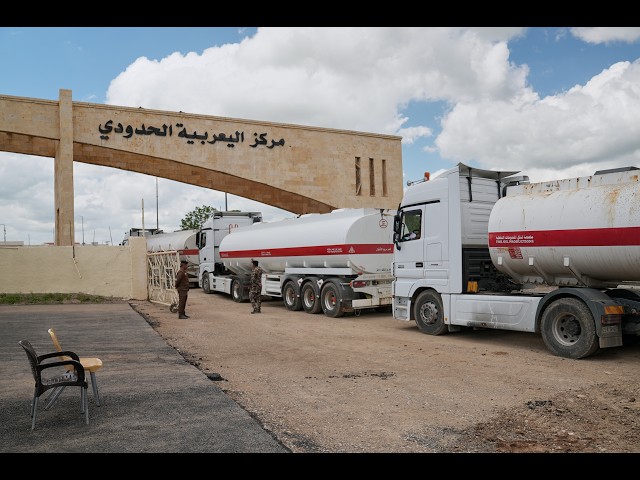
The Iraqi oil rerouting via Syria marks a significant shift in how energy flows are being managed in the Middle East. As maritime routes face disruption, particularly around the Strait of Hormuz, Iraq has revived an overland export corridor through Syria to maintain oil shipments to international markets.
This development reflects how geopolitical tensions are forcing oil-producing nations to rethink logistics. Rather than relying solely on traditional sea routes, countries are increasingly diversifying export pathways to protect revenue and ensure supply continuity.
Why Iraqi oil rerouting via Syria matters for global markets
The Iraqi oil rerouting via Syria is not just a regional adjustment; it has global implications. The Strait of Hormuz handles a substantial share of the world’s oil shipments, making any disruption there a major concern for energy markets.
When access to such a critical route is constrained, supply chains become vulnerable. Oil prices tend to rise due to uncertainty, and markets react quickly to perceived risks.
By establishing an alternative route, Iraq is attempting to stabilize export volumes. Although overland transport is more expensive and less efficient than shipping by sea, it provides a necessary fallback option in times of crisis.
For global markets, this reduces the likelihood of sudden supply shocks, even if it does not fully offset the risks associated with maritime disruptions.
Iraqi oil rerouting via Syria and its cost implications
While the Iraqi oil rerouting via Syria offers continuity, it comes at a higher operational cost. Transporting oil by tanker trucks involves logistics challenges, including fuel costs, border coordination, and security considerations.
These additional costs can influence global oil pricing over time. If producers consistently rely on more expensive transport methods, the increased cost may be passed along the supply chain.
For businesses, especially those dependent on fuel or energy-intensive production, this can translate into higher operating expenses. Industries such as manufacturing, transportation, and agriculture are particularly sensitive to changes in energy costs.
Iraqi oil rerouting via Syria and regional economic strategy
The reopening of the Rabia–Yarubiyah crossing signals a broader economic strategy linked to the Iraqi oil rerouting via Syria. This route had been inactive for years due to conflict, but its revival demonstrates how infrastructure can regain importance under changing geopolitical conditions.
For Iraq, maintaining export flows is essential for government revenue, which heavily depends on oil. For Syria, the corridor presents an opportunity to re-enter regional trade networks and potentially generate transit-related income.
This cooperation highlights how economic necessity can drive cross-border partnerships, even in politically complex environments.
Impact of Iraqi oil rerouting via Syria on businesses
The Iraqi oil rerouting via Syria has both direct and indirect implications for businesses worldwide.
First, it introduces a level of stability in oil supply, which is critical for planning and investment. Companies rely on predictable energy costs to manage budgets and pricing strategies.
Second, it reflects the growing importance of supply chain resilience. Businesses may need to reassess their dependence on single routes or regions, particularly in sectors exposed to geopolitical risks.
Third, it could influence investment in alternative logistics infrastructure. Companies involved in transportation, storage, and energy distribution may find new opportunities as trade routes evolve.
How Iraqi oil rerouting via Syria affects households
For households, the Iraqi oil rerouting via Syria is most visible through its impact on fuel prices and the cost of living.
When oil supply is disrupted, fuel prices tend to increase, affecting transportation, electricity, and food prices. By maintaining export flows, even through more expensive routes, countries can help prevent extreme price spikes.
However, the higher cost of overland transport may still contribute to moderate increases in fuel prices over time. This can affect household budgets, particularly in economies where energy costs are already high.
In addition, inflationary pressures linked to energy costs can influence the prices of essential goods, making everyday living more expensive.
Iraqi oil rerouting via Syria and the future of energy logistics
The Iraqi oil rerouting via Syria highlights a broader trend in global energy markets, which is the need for diversified and resilient supply chains.
Reliance on a single chokepoint, such as the Strait of Hormuz, exposes countries to significant risk. As a result, alternative routes, including pipelines and overland corridors, are gaining strategic importance.
If geopolitical tensions persist, this shift could accelerate investment in new infrastructure designed to bypass vulnerable regions.
The Iraqi oil rerouting via Syria is a clear example of how geopolitical challenges are reshaping global energy logistics. While not as efficient as traditional shipping routes, it provides a critical alternative that helps sustain supply and reduce market volatility.
For businesses, it offers a measure of stability but also introduces new cost considerations. For households, it helps prevent severe fuel price shocks, though it may not eliminate gradual cost increases.
Ultimately, this development underscores the importance of adaptability in global trade systems. As risks evolve, so too must the strategies used to manage them.
Read also: NIB arrests former Ghana Scholarship Secretariat boss over alleged fraud case