

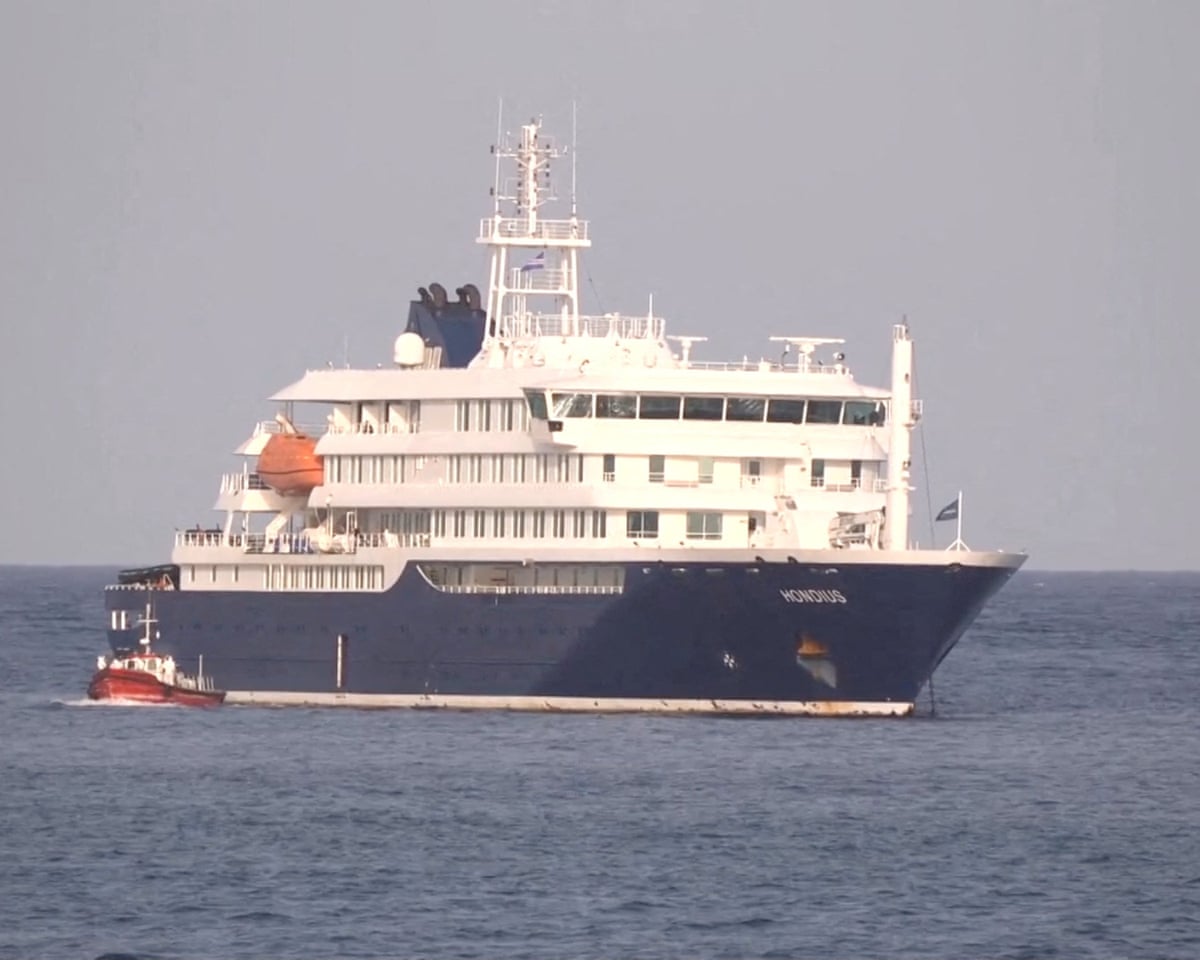
The polar expedition vessel MV Hondius has been struck by a suspected hantavirus outbreak while sailing near the coast of Cape Verde, raising urgent health and containment concerns aboard the ship.
The vessel, known for operating in extreme polar regions, is designed for scientific-style expedition cruises rather than luxury tourism. Unlike large commercial cruise liners, MV Hondius focuses on exploration of remote Arctic and Antarctic environments, hosting passengers alongside researchers who deliver onboard lectures on topics such as glaciology, biology, and geology.
According to reports, the outbreak has been linked to hantavirus infections, a rare but potentially severe disease typically spread through contact with infected rodents or their droppings. In this case, authorities are still investigating how the virus may have entered the ship’s controlled environment. Early indications suggest multiple passengers have shown symptoms consistent with infection, with at least three deaths being investigated as potentially linked to the virus.

Hantavirus infections are not commonly associated with cruise ships, making the incident particularly unusual. The virus can cause serious respiratory complications or hemorrhagic fever depending on the strain, and in some cases can be fatal if not treated promptly. Human-to-human transmission is extremely rare, which suggests the outbreak likely originated from environmental exposure rather than onboard person-to-person spread.
The MV Hondius, built with a reinforced hull capable of breaking through sea ice, typically operates in some of the world’s most remote and biologically sensitive regions. Its design prioritises scientific observation and environmental exploration rather than entertainment, with facilities such as an observation lounge and lecture room instead of the large-scale amenities found on conventional cruise ships.
The vessel has now reportedly been immobilised while health authorities and maritime officials assess the situation. Standard protocol in such cases includes isolating affected passengers, conducting medical testing, and disinfecting potential contamination sources to prevent further spread.

Public health experts note that outbreaks of rare viruses in confined environments such as ships can be particularly challenging to manage due to limited medical facilities and close living conditions. Rapid response is critical to containing transmission and ensuring passenger safety.
The incident has also raised questions about biosecurity measures on expedition vessels that operate in remote regions where medical evacuation options are limited. Operators of such cruises typically follow strict environmental and health guidelines, but the emergence of a hantavirus case suggests a possible breach in rodent control or environmental exposure protocols.
As investigations continue, attention is now focused on identifying the source of the infection and determining whether additional preventive measures are needed for similar vessels operating in isolated environments.

For now, the situation remains under close monitoring as health authorities work to stabilise conditions onboard and ensure the safety of remaining passengers and crew.
Health authorities warn of rising genital warts cases in Ghana