


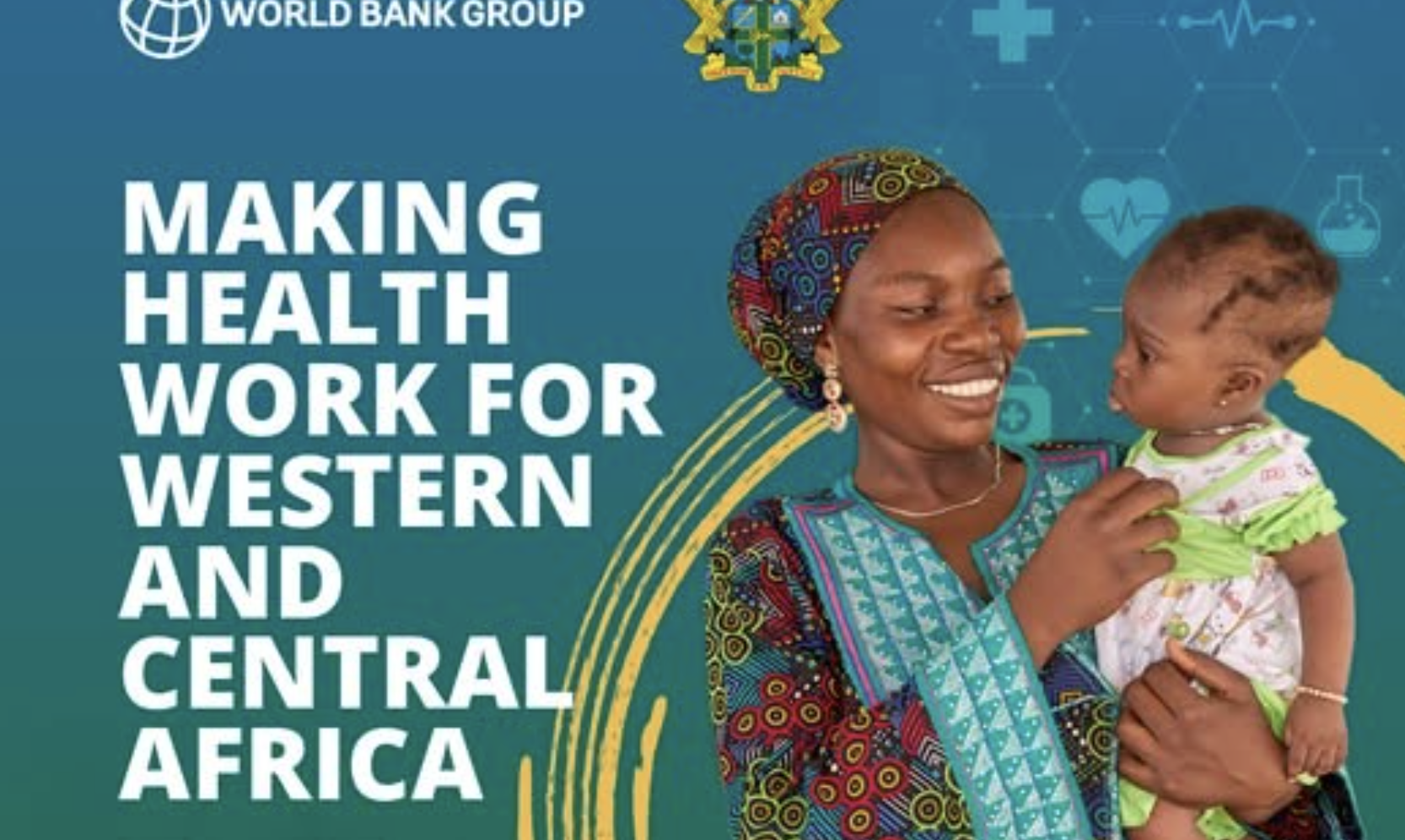
The Ghana health financing compact represents a significant policy transition in how healthcare is funded and managed. Government, in collaboration with the World Bank, is moving toward a unified framework that brings domestic revenue, donor funding, and concessional financing under a single national strategy.
This shift signals a departure from fragmented donor-led programmes toward a model where the government defines priorities and coordinates implementation. The goal is to improve efficiency, accountability, and long-term sustainability within Ghana’s health system.
Why the Ghana health financing compact matters for economic stability
The Ghana health financing compact is not only a health sector reform, it also has broader macroeconomic implications. Healthcare financing directly affects fiscal stability, labour productivity, and household welfare.
Historically, many African health systems have depended heavily on external funding, often leading to misalignment between national needs and donor priorities. By consolidating funding streams, Ghana aims to reduce duplication, improve resource allocation, and strengthen financial discipline.
For the economy, this approach can help control rising healthcare costs while improving outcomes. A healthier population contributes to a more productive workforce, which in turn supports economic growth.
Ghana health financing compact aligns domestic and global resources
A key feature of the Ghana health financing compact is its emphasis on coordination. The framework is designed to align domestic resources, including tax revenues, with international support from institutions such as the World Bank.

This integration is expected to improve planning and execution. Instead of multiple disconnected projects, funding will be directed toward clearly defined national priorities such as primary healthcare, financial protection, and service quality.
The World Bank’s broader regional strategy also complements this approach, targeting improved healthcare access for millions across West and Central Africa. Ghana’s model could therefore serve as a reference point for other countries seeking similar reforms.
Ghana health financing compact and its impact on households
For households, the Ghana health financing compact could translate into more affordable and accessible healthcare services. One of the central goals is to reduce out-of-pocket spending, which remains a major financial burden for many families.
Government initiatives such as the expansion of primary healthcare services and increased funding for the National Health Insurance Scheme are expected to improve coverage. Additionally, targeted programmes for chronic and high-cost conditions aim to reduce financial stress on households dealing with long-term illnesses.
Improved healthcare access also has indirect economic benefits. When households spend less on medical emergencies, they can allocate more resources to education, housing, and small business activities.
Ghana health financing compact strengthens business and investment environment
The Ghana health financing compact also carries implications for businesses. A more efficient healthcare system reduces absenteeism, improves workforce productivity, and lowers employer healthcare costs.
For investors, the move toward structured and transparent health financing signals improved governance. This can enhance confidence in Ghana’s broader policy environment, particularly in sectors linked to human capital development.
Healthcare itself may also become a more attractive investment space. With clearer funding mechanisms and defined priorities, private sector players can identify opportunities in areas such as pharmaceuticals, health technology, and infrastructure.
Ghana health financing compact faces structural challenges
Despite its potential, the Ghana health financing compact faces several implementation risks. Health systems in the region continue to struggle with workforce shortages, infrastructure deficits, and inefficiencies in budget execution.
In addition, external funding conditions are tightening globally, which increases pressure on domestic resource mobilisation. This means the success of the compact will depend heavily on Ghana’s ability to generate and manage internal revenue effectively.
There is also the challenge of maintaining accountability. A unified financing system requires strong monitoring frameworks to ensure that funds are used efficiently and that outcomes are measurable.
Ghana health financing compact and the long-term outlook
The Ghana health financing compact reflects a broader shift toward self-reliance and strategic coordination in public sector financing. By positioning the government as the central driver of health investment, the model aims to create a more resilient and responsive healthcare system.
If successfully implemented, the compact could improve health outcomes, reduce financial strain on households, and support economic growth through a healthier workforce. It also has the potential to redefine how African countries engage with global development partners.
Ultimately, the effectiveness of the compact will depend on execution, sustained political commitment, and the ability to translate policy into measurable results.