


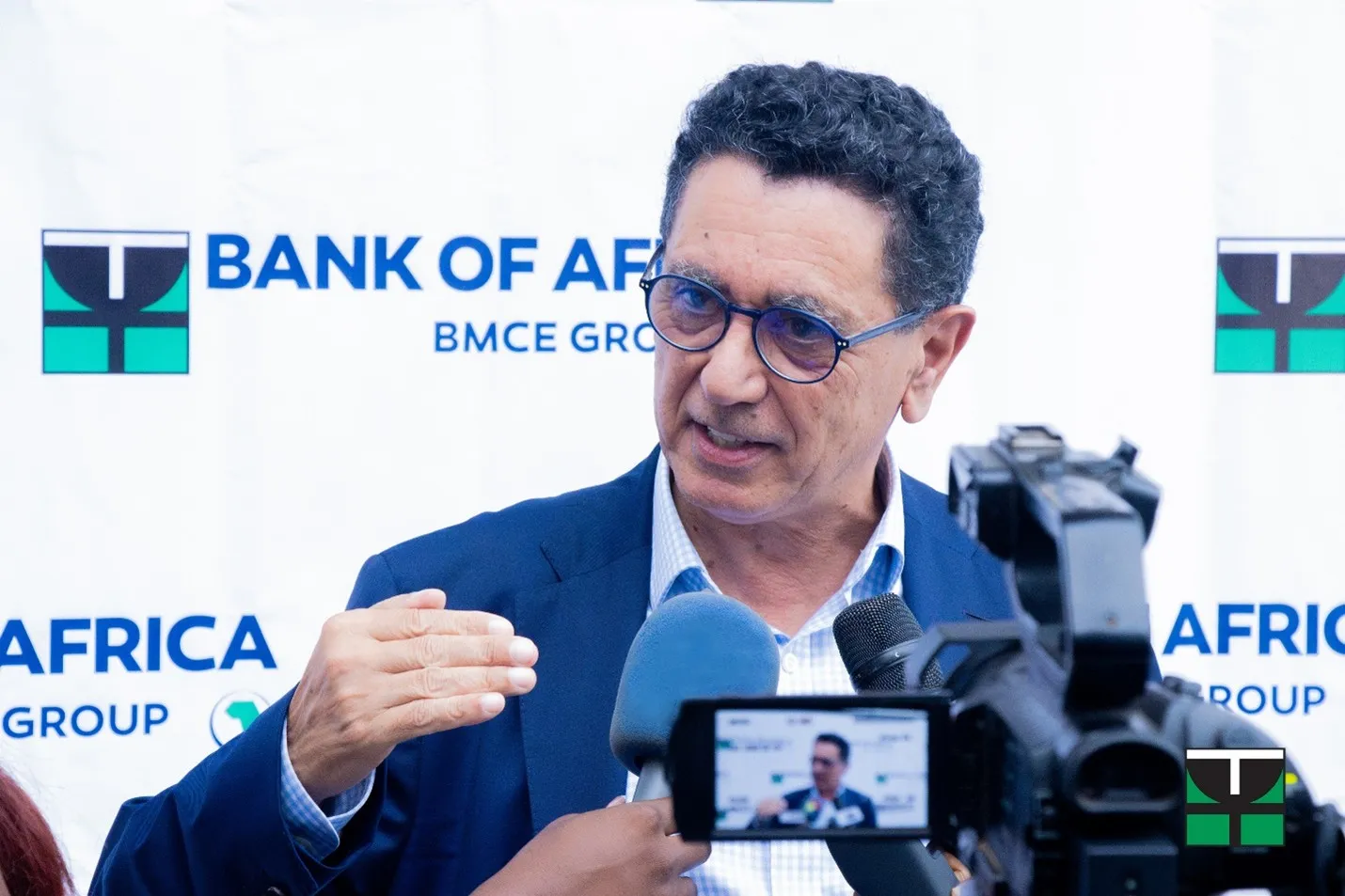
The Bank of Africa Ghana strategy has taken a more visible direction following a recent working visit by the Group Chief Executive Officer, who engaged regulators, businesses, and policymakers. The visit signals more than routine corporate oversight; it reflects a deliberate push to deepen the bank’s role in Ghana’s economic transformation.
At its core, the strategy focuses on three pillars: regulatory alignment, SME financing, and customer-focused innovation. These areas are increasingly critical in a financial system adjusting to post-crisis recovery and renewed growth expectations.
Why the Bank of Africa Ghana strategy matters for the financial system
The Bank of Africa Ghana strategy is significant because it aligns banking operations with national economic priorities. Ghana’s financial sector has undergone restructuring in recent years, making regulatory compliance and stability essential for sustained growth.
Engagements with the central bank highlight the importance of coordination between commercial banks and regulators. Such alignment ensures that financial institutions operate within evolving policy frameworks while still supporting credit expansion and economic activity.
For the broader economy, a stable banking sector improves access to credit, reduces systemic risk, and enhances investor confidence. This creates a more predictable environment for both domestic and foreign businesses.
Bank of Africa Ghana strategy and SME-driven growth
A central element of the Bank of Africa Ghana strategy is its emphasis on small and medium-sized enterprises. SMEs account for a significant share of employment and economic activity in Ghana, yet they often face limited access to financing.
By prioritising SME development, the bank is targeting a segment that has strong growth potential but remains underfunded. Access to credit enables these businesses to expand operations, invest in equipment, and improve productivity.
For households, this translates into job creation and income stability. When SMEs grow, they absorb labour, stimulate local economies, and contribute to reduced dependence on imports through increased local production.
Bank of Africa Ghana strategy and business relationships
Another key component of the Bank of Africa Ghana strategy is strengthening relationships with corporate clients and high-net-worth individuals. Tailored financial solutions are becoming increasingly important in a competitive banking environment.
The bank’s approach focuses on understanding client-specific needs, whether in corporate financing, trade support, or wealth management. This customer-centric model is designed to improve service delivery and build long-term partnerships.
For businesses, access to customised financial products can improve cash flow management, support expansion plans, and reduce operational risks. This is particularly important in sectors facing fluctuating market conditions.
Bank of Africa Ghana strategy and regulatory engagement
The Bank of Africa Ghana strategy also emphasises close collaboration with regulators. Discussions with the central bank focused on financial inclusion, supervisory standards, and sector stability.
Financial inclusion remains a major priority, as a large portion of the population still operates outside formal banking systems. Expanding access to financial services can increase savings rates, improve credit access, and support entrepreneurship.
At the same time, strong regulatory engagement ensures that banks maintain sound risk management practices. This reduces the likelihood of financial instability, which can have widespread consequences for businesses and households.
What the Bank of Africa Ghana strategy means for households
For households, the Bank of Africa Ghana strategy has both direct and indirect implications. Improved access to financial services can make it easier for individuals to save, borrow, and manage personal finances.
Increased SME financing also supports employment opportunities, which is critical for income generation. As businesses expand, households benefit through job creation and improved economic stability.
Additionally, better banking services can enhance financial literacy and encourage more efficient use of financial products, contributing to long-term wealth building.
Bank of Africa Ghana strategy and long-term economic outlook
The Bank of Africa Ghana strategy reflects a broader trend in African banking, where institutions are moving beyond traditional lending to play a more active role in economic development.
By focusing on SMEs, regulatory alignment, and customer-centric innovation, the bank is positioning itself to support sustainable growth. However, success will depend on execution, particularly in delivering accessible and affordable financial products.
For businesses, the strategy offers opportunities for expansion and improved financing options. For households, it provides pathways to greater financial inclusion and economic participation.
The Bank of Africa Ghana strategy highlights the evolving role of banks in shaping economic outcomes. Rather than acting solely as financial intermediaries, institutions are increasingly becoming partners in development.
This shift matters because it directly influences how capital flows through the economy. When effectively implemented, such strategies can drive growth, support businesses, and improve household welfare across the country.
Read also: Ghana teams up with Eni, Vitol and GNPC to boost gas production by 2028