


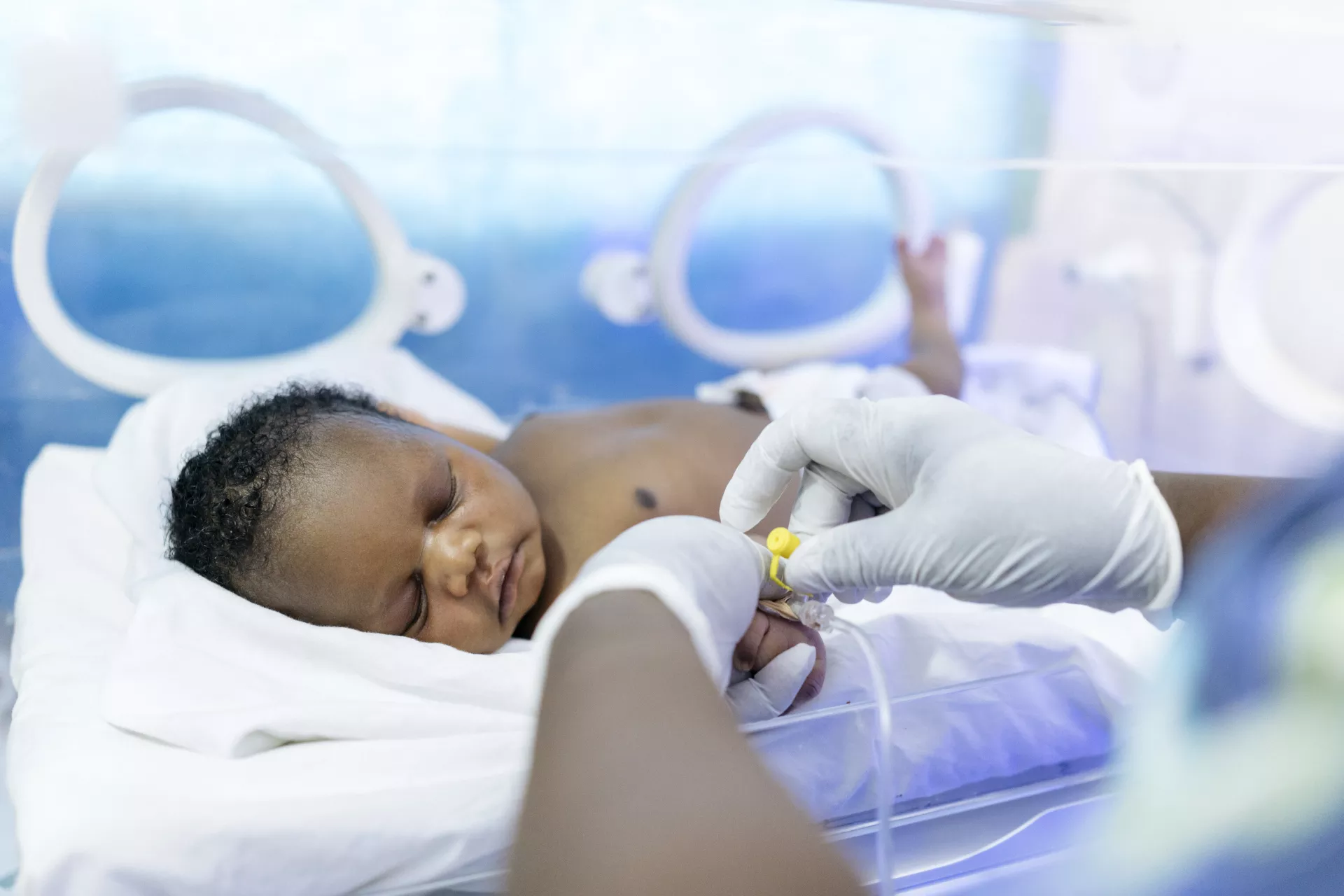
Netty Forson Ackon, President of the Ghana Registered Midwives Association, has revealed that more than 900 newborns died in 2025, raising serious concerns about maternal and neonatal healthcare across Ghana.
The disclosure highlights persistent gaps in the country’s healthcare delivery system, particularly in maternal and newborn care, where preventable deaths continue to occur despite years of policy interventions and international support. Health experts say the figure, while alarming, reflects deeper systemic challenges that go beyond frontline care and point to structural issues within the broader health ecosystem.
According to midwifery professionals, a significant proportion of newborn deaths are linked to complications such as birth asphyxia, infections, and premature birth. These conditions, they argue, are often preventable or manageable with timely intervention, adequate staffing, and access to essential medical equipment. However, in many parts of Ghana, especially in rural and underserved communities, such resources remain limited.

Netty Forson Ackon’s remarks have reignited discussions around the urgent need to strengthen neonatal care units, improve training for healthcare workers, and ensure that facilities are properly equipped to handle high-risk deliveries. Midwives, who serve as the backbone of maternal care in Ghana, have consistently raised concerns about workload pressures, insufficient personnel, and inadequate infrastructure.
The situation is further complicated by disparities in healthcare access. While urban centres may have relatively better-equipped hospitals, rural areas often struggle with basic necessities such as reliable electricity, clean water, and functional transport systems for emergency referrals. These challenges can delay critical care, increasing the risk of complications during childbirth.
Data from global health bodies such as the World Health Organization and UNICEF consistently show that sub-Saharan Africa accounts for the highest rates of neonatal mortality worldwide. Ghana, although making progress over the years, still faces hurdles in meeting international targets related to child survival, including the Sustainable Development Goals, which aim to reduce neonatal mortality to at least 12 deaths per 1,000 live births.

Health analysts argue that addressing newborn mortality requires a multi-layered approach. Beyond improving hospital care, there is a need for stronger antenatal services, community education, and early detection of pregnancy-related risks. Ensuring that expectant mothers attend regular check-ups and deliver in skilled facilities is critical, but this also depends on affordability, awareness, and cultural factors.
The role of government funding and policy direction cannot be overlooked. Ghana’s National Health Insurance Scheme has been instrumental in expanding access to maternal care, but stakeholders say more investment is needed to upgrade facilities, procure modern equipment, and retain skilled healthcare professionals. Brain drain, where trained medical personnel seek opportunities abroad, continues to strain the system.
Midwives are also calling for greater recognition of their role within the healthcare system. As primary caregivers during childbirth, they are often the first line of defence against complications. Strengthening midwifery education, improving working conditions, and providing continuous professional development are seen as key steps toward improving outcomes for both mothers and newborns.

The reported figure of over 900 deaths is not just a statistic; it represents families affected by loss and communities grappling with the consequences. Public health advocates stress that reducing neonatal mortality is not only a healthcare issue but also a development priority, as it reflects the overall strength of a nation’s health system.
As the conversation gains momentum, attention is now turning to how policymakers, healthcare providers, and development partners will respond. The expectation is clear: sustained, targeted action is needed to ensure that preventable newborn deaths become increasingly rare rather than a recurring reality.
Ghana Records First MPOX Death as Cases Soar to 257