

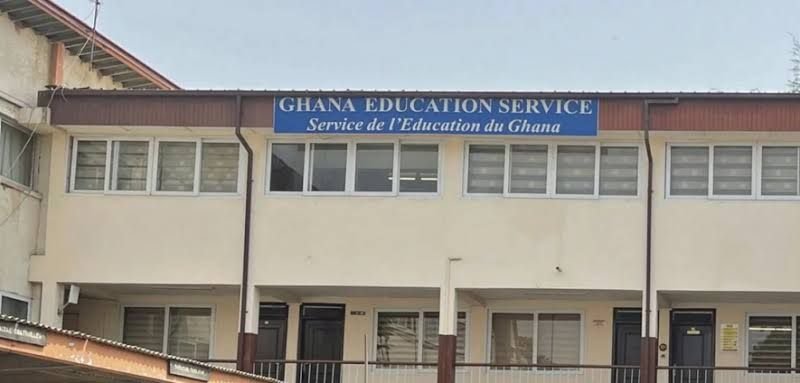
The Ghana Education Service (GES) has cautioned prospective teachers and the general public against fraudulent recruitment announcements circulating on social media, making it clear that its official teacher recruitment exercise has not yet commenced. Corrections Policy
In a statement issued on Sunday, November 15, 2026, the Service said it had received reports of suspicious links being shared across various online platforms, with some falsely claiming to provide access to its recruitment process.
GES stressed that its recruitment portal remains closed and that no official applications are currently being accepted.
The clarification is particularly important for thousands of qualified teachers and jobseekers who may be waiting for an opportunity to join the public education system.
With recruitment announcements often attracting considerable attention, fraudulent individuals can exploit applicants expectations by creating fake application pages and circulating misleading information.
GES Management, in the statement signed by its Head of Public Relations, Daniel Fenyi, said an official announcement would be made through the Service’s authorised communication channels when preparations for recruitment were complete.

Until then, the public has been urged to disregard messages, links and online forms claiming to represent an ongoing GES recruitment exercise.
The warning follows the circulation of social media posts suggesting that the recruitment portal was open or would become accessible on November 15.
However, the Service’s clarification means applicants should not treat these claims as legitimate instructions to begin an application.
GES warns against fake forms and recruitment schemes
Beyond misleading announcements, the Service has expressed concern about the possibility of unsuspecting applicants falling victim to fraud.

Recruitment periods can create opportunities for individuals to take advantage of jobseekers by promising access to vacancies, offering assistance with applications or claiming to have connections within the institution.
In its warning, GES cautioned that people who follow suspicious links and complete unofficial online forms without verifying their authenticity do so at their own risk. Ownership & Funding
Such forms may be designed to collect sensitive information, including personal identification details, contact information and educational records.
The Service has also warned about the circulation of false information, demands for money and fake appointment letters. These tactics can cause financial losses and expose applicants to identity theft or other forms of online exploitation.
Prospective teachers should therefore be particularly careful about individuals who claim they can secure employment, influence recruitment decisions or guarantee successful applications in exchange for money.
No applicant should assume that a recruitment link is genuine simply because it has been shared widely or forwarded by someone they know.
Official channels remain the only reliable source
GES has emphasised that information about the commencement of recruitment will be communicated through its authorised platforms.

The channels identified for obtaining reliable updates include the official Ghana Education Service Facebook page, its official WhatsApp channel, communications from its spokesperson, Daniel Fenyi, and announcements carried by traditional media outlets, including television and radio. Editorial Ethics & Independence
Applicants are encouraged to verify recruitment-related information through these channels before taking any action.
They should also be cautious when clicking shortened links, unfamiliar website addresses or messages that create pressure to submit an application immediately.
Another important precaution is to avoid sharing passwords, mobile money PINs, banking details or other confidential information with people claiming to represent the recruitment team.
Applicants should not make payments to private individuals on the promise of securing a teaching position or speeding up an application.
The Cyber Security Authority has previously warned about online recruitment scams targeting jobseekers through fraudulent offers and digital platforms.
Such schemes demonstrate why verifying the source of employment announcements is essential, particularly when personal information and financial transactions are involved.
What prospective teachers should do while waiting
For individuals hoping to secure teaching positions, the current development does not mean that future recruitment has been cancelled.
Rather, GES has clarified that the process has not officially started and that the public should wait for an authorised announcement.
Applicants can use this period to organise relevant academic certificates, professional documents and other records that may be required when a legitimate application process is eventually announced.
However, they should avoid submitting these documents through unofficial websites or social media contacts. Editorial Standards
They should also refrain from circulating unverified recruitment notices, as sharing misleading links can expose more jobseekers to potential fraud.
Anyone who encounters a suspicious announcement should first compare it with information published through the Service’s official communication channels.
The GES clarification report, serves as an important reminder that recruitment opportunities should always be confirmed through the institutions responsible for them.
For now, the position remains clear teacher recruitment into the Ghana Education Service has not commenced, and the official portal is not open.
Prospective applicants are being urged to remain patient, exercise caution online and rely on verified announcements rather than social media claims.