

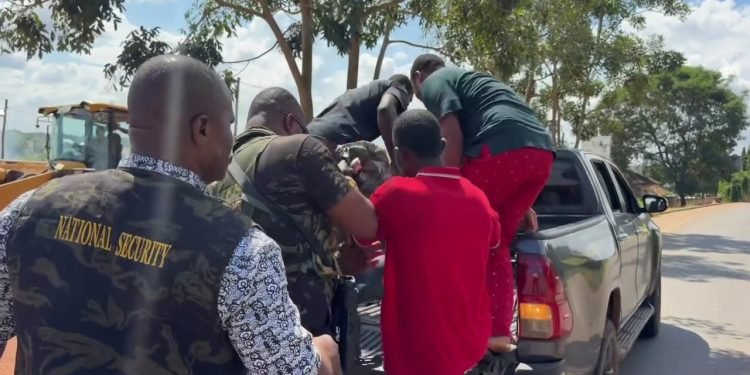
National Security personnel in the Ashanti Region have arrested 15 individuals suspected of engaging in unauthorised sandwinning activities along the proposed Accra–Kumasi Expressway corridor, raising concerns about the protection of major infrastructure projects and the environmental consequences of uncontrolled excavation.
The arrests were made on Wednesday, October 14, 2026, during an operation in the Sewua–Donyina–Appiadu enclave within the Bosomtwe District.
Six vehicles, including tipper trucks and a wheel loader, were also impounded as authorities moved to stop the alleged activities and investigate those involved. Corrections Policy
According to reports from local media, the suspects were transported to the National Security headquarters in Accra for further questioning.
The operation followed concerns that individuals had been excavating and removing sand from sections of the proposed expressway corridor for commercial purposes.
The development has attracted attention because the affected area forms part of the route designated for a major road infrastructure project intended to improve transportation between Ghana’s two largest urban centres, Accra and Kumasi.
The proposed Accra–Kumasi Expressway is expected to improve connectivity between the Greater Accra and Ashanti regions, which are important centres of commerce, industry, education and population.
Protecting the land required for the project is therefore essential to preparations for its eventual construction.
The alleged removal of sand from the corridor has raised questions about whether excavation activities could interfere with project preparations, damage sections of the designated route or create additional costs for the state.
Such concerns have prompted calls for stronger monitoring of the area while investigations continue.

An Assistant Liaison Officer, Ivan Bilson Yeboah, reportedly confirmed the arrests and said the suspects had been taken to Accra for further investigations.
Security officials have also indicated that efforts are continuing to identify other individuals suspected of involvement in the activities.
The operation followed the circulation of a video on social media that appeared to show people removing sand from the area.
The footage prompted renewed scrutiny of the activities taking place along the proposed road corridor and the need for authorities to establish whether the excavation had been properly authorised. Editorial Ethics & Independence
However, the allegations against the suspects must be distinguished from findings established through an investigation.
The arrests do not, by themselves, prove that every individual involved committed an offence.
Investigators will need to establish the circumstances surrounding the excavation, determine whether the necessary permissions existed and identify any applicable breaches of the law.
Bosomtwe District Chief Executive, Ing. Abdullah Hamidu, has also addressed questions about the local authorities’ awareness of the activity.
According to media reports, preliminary inquiries by the Assembly indicated that some of the individuals claimed to have obtained permission from the Ejisu Municipal Assembly to carry out the excavation.

The individuals reportedly could not produce a copy of the alleged permit when asked to do so.
Hamidu said he directed that the activity be stopped and referred the matter for further investigation.
The circumstances surrounding the claimed authorisation remain important to determining whether the sandwinning was lawful.
The matter has also highlighted the importance of coordination between district assemblies, traditional authorities and national security agencies.
Where land is earmarked for major infrastructure, clear communication about ownership, permitted activities and restrictions can help prevent disputes and unauthorised operations.
Local authorities are reportedly engaging chiefs and Assembly Members in the affected communities to address the situation and prevent further damage. Editorial Standards
The Ashanti Regional Security Council is also expected to consider measures to strengthen surveillance along the corridor.
Such monitoring could help identify unauthorised excavation early and ensure that activities in the area do not undermine preparations for the expressway.
Effective enforcement, however, should be accompanied by clear procedures for verifying permits and resolving disputes over land use.
Sandwinning can have significant environmental consequences when it is poorly controlled.
Excavation may contribute to soil erosion, alter drainage patterns, destabilise land and leave exposed areas vulnerable to flooding.
The extent of any damage in Sewua and the surrounding communities will need to be established through appropriate assessment.
The financial implications could also be substantial if excavation compromises land required for the road project.
Government infrastructure investments depend on effective planning, protection of project sites and responsible use of public resources.
Unauthorised activities that delay construction or create additional restoration costs could undermine those objectives.
The proposed expressway is intended to strengthen transport links between Accra and Kumasi, potentially improving the movement of passengers and goods.

Protecting its designated corridor before construction begins is therefore an important part of ensuring that the project can proceed as planned. Newscard
For now, investigations into the alleged sandwinning activities remain central to the case.
Authorities will need to establish the roles of the arrested individuals, verify claims about permits and determine whether further enforcement action is warranted.
The arrests serve as a reminder of the importance of safeguarding public infrastructure projects and ensuring that natural resources are extracted in accordance with the law.
The next steps will depend on the evidence gathered and the measures adopted to prevent similar activities along the proposed expressway route.