

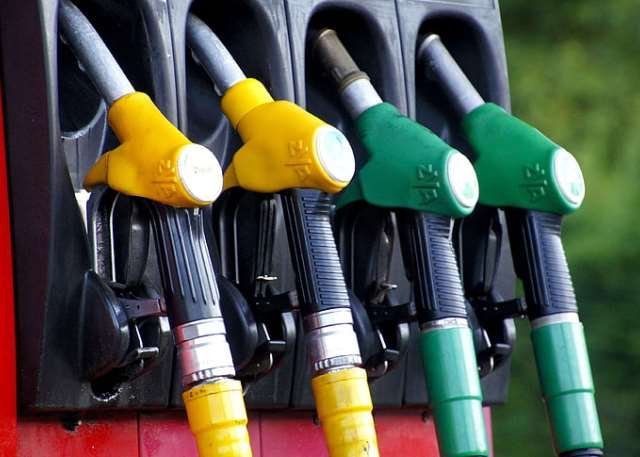
Ghanaian motorists could receive some relief from Friday, October 16, 2026, as the Chamber of Oil Marketing Companies (COMAC) forecasts lower petrol and diesel prices during the second pricing window of October. Corrections Policy
The expected reductions follow increases recorded at the beginning of the month, although consumers who rely on liquefied petroleum gas (LPG) may face higher costs.
In its latest pricing outlook, COMAC projects petrol prices to decline by 1.67 per cent and diesel prices by 3.32 per cent. On a cash-purchase basis, petrol is expected to sell at approximately GH¢17.67 per litre, while diesel could retail at GH¢19.30 per litre. These figures are projections, and the prices charged by individual oil marketing companies may differ.
The anticipated reductions could ease some of the pressure on households, commercial drivers and businesses that depend on petroleum products for transportation and daily operations. However, the expected increase in LPG prices means the overall impact on consumers will be mixed.
Petrol and diesel expected to become cheaper
The projected decline in petrol prices could offer some relief to private motorists, taxi operators, ride-hailing drivers and other road users who have faced rising fuel expenses.
For commercial transport operators, fuel is a major operating cost. A reduction at the pumps could help drivers manage their daily expenses, although the actual savings will depend on how much fuel they purchase and the prices charged at their preferred filling stations.
Diesel is particularly important to Ghana’s transport and commercial sectors because it powers many buses, trucks, agricultural machines and industrial vehicles. The projected 3.32 per cent reduction could help businesses that depend on moving goods and people across the country.
Lower diesel prices may also ease some cost pressures within supply chains. However, cheaper fuel does not automatically guarantee lower transport fares or prices for goods, as businesses must consider other expenses, including vehicle maintenance, wages, insurance and distribution costs.
International petroleum prices influence the outlook
COMAC’s projections reflect movements in refined petroleum product prices on the international market during the review period.

According to the Chamber, international petrol prices declined by 3.93 per cent, while diesel prices fell by 6.68 per cent. These reductions contributed to the expected downward adjustments in Ghana’s second October pricing window.
International market conditions are an important part of Ghana’s fuel pricing system because the country relies on imported refined petroleum products. Changes in global prices can therefore influence the cost of supplying fuel to the domestic market. Editorial Standards
Nevertheless, international price reductions do not always translate into equivalent cuts at local filling stations.
Exchange-rate movements, taxes, levies, distribution expenses and the margins applied by businesses also influence the final prices consumers pay.
LPG users face a different situation
While petrol and diesel users could benefit from lower prices, households and businesses that depend on LPG are expected to face a substantial increase.

COMAC projects LPG prices to rise by 18.50 per cent during the second October pricing window, bringing the estimated cash-purchase price to approximately GH¢20.60 per kilogramme.
The increase could place additional pressure on households that use gas for cooking. Restaurants, food vendors and other businesses that rely on LPG may also experience higher operating costs.
The contrast between the expected reductions in petrol and diesel prices and the increase in LPG costs illustrates how different petroleum products can respond differently to international market conditions.
For many households, cooking gas is an essential expense that cannot easily be avoided. A sustained increase could force consumers to adjust their budgets or reduce spending in other areas.
Cedi depreciation remains a concern
The performance of the Ghanaian cedi against the US dollar remains another important factor in the domestic fuel market.
COMAC reported that the cedi depreciated by 1.61 per cent against the dollar during the review period, trading at an average bank rate of GH¢11.8222 to one dollar between September 26 and October 11, 2026.
The Chamber also indicated that the currency had lost more than 11 per cent of its value against the dollar since the beginning of the year.
A weaker cedi increases the local-currency cost of purchasing petroleum products priced in dollars. Consequently, further depreciation could limit the benefits of falling international prices or place renewed pressure on pump prices in subsequent pricing windows. Editorial Ethics & Independence
NPA announces revised minimum price floors
The National Petroleum Authority (NPA) has also announced new minimum price floors for the second October pricing window, which runs from October 16 to October 31.

The minimum price for petrol has been reduced from GH¢16.45 to GH¢16.09 per litre, while diesel’s floor has fallen from GH¢17.97 to GH¢17.09 per litre. In contrast, the minimum price for LPG has increased from GH¢11.10 to GH¢13.87 per kilogramme.
These figures represent regulatory minimum prices rather than guaranteed pump prices.
The NPA explains that the floors exclude certain international trading premiums, operating costs and marketing and dealer margins, which are determined separately under the applicable pricing guidelines.
As a result, actual prices may vary across filling stations and LPG outlets.
The second October pricing window is therefore expected to bring some relief to petrol and diesel users, while LPG consumers face higher costs.
The extent of the benefit will depend on retail pricing decisions, exchange-rate developments and movements in the international petroleum market.
For households and businesses, monitoring these changes will remain important as they plan their transport, energy and operating budgets.