

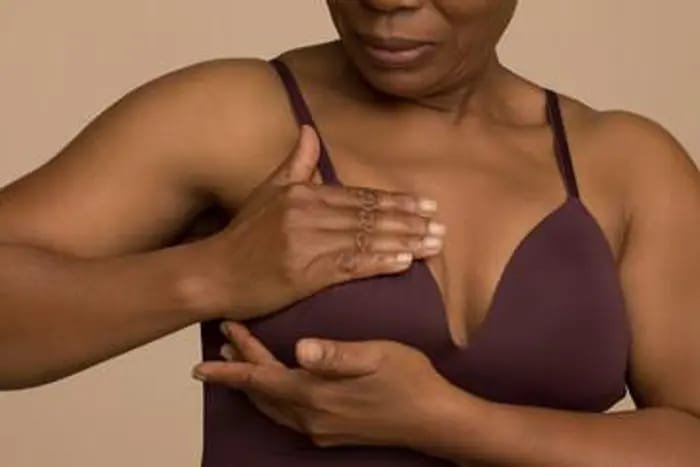
Every October, Breast Cancer Awareness Month draws attention to one of the most common cancers affecting women worldwide and highlights the importance of early detection.
Breast cancer is the most common cancer among women globally. According to the World Health Organization (WHO), about 2.4 million women were diagnosed with the disease in 2024, while approximately 694,000 died from it.
Breast cancer can occur in women in every country and at any age after puberty, although the risk generally rises with age.

Early detection remains crucial because breast cancer is more likely to respond successfully to treatment when diagnosed at an early stage. The WHO says early diagnosis can improve survival chances and help reduce delays in accessing appropriate treatment.
Being familiar with the normal appearance and feel of your breasts can therefore help you identify changes that may require medical attention.
- A new lump or thickening

A newly developed lump or an area of unusual thickening in the breast can be a potential warning sign of breast cancer.
However, breast lumps are not always cancerous and can result from a number of non-cancerous conditions.
Any new or unusual lump should therefore be examined by a healthcare professional rather than being self-diagnosed.
- A change in breast size or shape

A noticeable change in the size or shape of one breast or both breasts may also require attention.
Although breasts can naturally change over time, becoming familiar with your usual appearance can make it easier to recognise a new or unexplained difference.
The WHO advises women to remain aware of changes in their breasts and seek medical advice when something appears unusual.
- Changes in the skin

Changes to the skin of the breast should not be overlooked.
These may include dimpling, puckering, redness or other unusual changes in the skin.
Such symptoms do not necessarily mean cancer, but new or persistent changes should be evaluated by a healthcare professional.
- Changes involving the nipple

Changes in the appearance or position of the nipple can sometimes be a warning sign.
For example, a nipple that suddenly turns inward when it has not done so previously should be checked.
The WHO also advises women to pay attention to changes around the nipple, including unexpected discharge and nipple retraction.
- Unusual or bloody nipple discharge

Unexpected discharge from the nipple, especially when it contains blood, should be assessed by a medical professional.
Although nipple discharge can occur for reasons unrelated to cancer, it is one of the changes that should receive medical attention.
- A lump or thickening around the armpit

Breast changes are not limited to the breast itself.
A lump, hard knot or firm area of thickening may also develop around the armpit. The WHO’s guidance on breast self-examination recommends paying attention to both the breast and underarm areas.
Any new or unexplained lump in these areas should be checked.
- Any breast change that is unusual for you

Breast cancer does not present in exactly the same way in every person.
For this reason, being familiar with what is normal for your own breasts is important. Any new or unusual change that persists should prompt a discussion with a healthcare professional.
Most women diagnosed with breast cancer have no known family history
Having a close relative with breast cancer can increase a person’s risk, but the absence of a family history does not mean someone cannot develop the disease.

The WHO estimates that around 80% of breast cancers occur in women without a specific risk factor other than being female and increasing age. It also notes that most women diagnosed with breast cancer do not have a known family history of the disease.
Other factors linked to increased risk include older age, obesity, alcohol consumption, previous exposure to radiation, certain reproductive factors, tobacco use and postmenopausal hormone therapy.
What should you do if you notice a change?
Do not wait until a breast change becomes painful before seeking medical attention.

A new lump, unusual thickening, nipple retraction, skin change or abnormal discharge does not automatically mean breast cancer. However, these symptoms should be assessed by a qualified healthcare professional.
Breast self-awareness can help women become familiar with the normal look and feel of their breasts. The WHO’s 2026 guidance describes breast self-examination as a way of becoming familiar with the breasts so that unusual changes can be identified and evaluated.
Self-examination, however, should not replace professional medical assessment or recommended screening.

Where mammography screening is recommended and available, women in the appropriate age groups should follow local medical advice.
This October, know your normal
Breast Cancer Awareness Month is an opportunity to go beyond the pink ribbons and learn more about the disease, its possible warning signs and the importance of seeking medical care early.
Knowing how your breasts normally look and feel can help you recognise when something has changed.

If you notice a new or unusual change, speak to a healthcare professional promptly.
Early diagnosis and timely access to appropriate treatment can significantly influence breast cancer outcomes.
Sources: World Health Organization (WHO), WHO Global Breast Cancer Initiative, and International Agency for Research on Cancer (IARC).
By: Prince Martey-Sogar.