

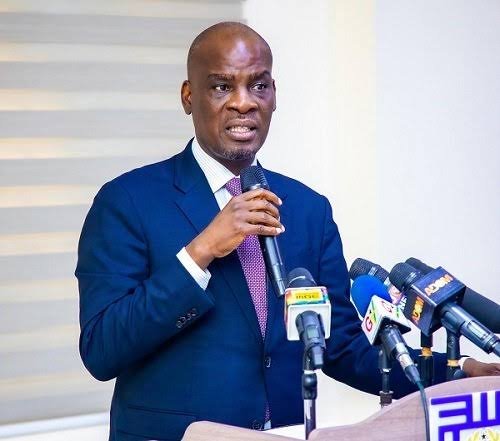
The Minister of Education, Haruna Iddrisu, has appealed to aggrieved teachers to call off their ongoing nationwide strike and return to the classroom while the government works to address their concerns, warning that disruptions to Ghana’s academic calendar could have serious consequences for learners and the country.
The appeal followed a meeting between the Minister and representatives of the teacher unions on Monday, September 28, 2026, to discuss the issues that triggered the industrial action.
Mr Iddrisu assured the unions that the government was committed to addressing their grievances and finding a lasting solution to the dispute.
However, he urged the teachers to consider the impact of the strike on pupils and students whose academic progress depends on regular classroom instruction. Editorial Ethics & Independence
The Minister also clarified the responsibilities of the government’s negotiation team, explaining that his role as Education Minister did not give him the mandate to negotiate directly on salary-related matters.
“The government team is here as Minister for Education, I have no negotiation mandate. The Fair Wages and Salaries Commission by law has and they are here. The Comptroller as Treasurer of Government also has some mandate,” he said.
He called on the unions to cooperate with the government in resolving their concerns while ensuring that the academic calendar remained on course.
Mr Iddrisu added that any decisions arising from the negotiations should support a smooth school calendar and protect the interests of learners at all levels of education.
His comments highlight the need for coordination among the institutions responsible for education policy, public-sector remuneration and government payments as efforts continue to resolve the impasse.
The strike has disrupted teaching and learning in public basic and secondary schools across the country, raising concerns about missed lessons, curriculum coverage and the possible need to adjust school schedules if the industrial action continues.
Minister Emphasises Importance of Academic Calendar
Mr Iddrisu placed particular emphasis on the need to protect the academic calendar, which he said had been stabilised after years of disruptions.
He described the improved regularity of the school calendar as an achievement that should be safeguarded by the government, teachers and other stakeholders in the education sector.
“And let me state this for matter of emphasis before I yield the floor to the leadership of the Labour Unions. This is the first time ever in five years to a decade that government has stabilised and normalised this academic calendar for all levels of education,” he stated. Editorial Standards
The Minister said a predictable academic calendar was important because it allowed students, teachers, schools and families to plan effectively. It also helped ensure that transitions between different levels of education took place without unnecessary delays.

He cited the movement of students who completed the West African Senior School Certificate Examination (WASSCE) into universities in September as an example of the benefits of maintaining a stable schedule.
“At least this year, students from secondary schools who passed WASSCE seamlessly are able to join the universities in September and we want the school calendar to remain so,” he said.
He warned that disruptions could undermine the progress made in aligning academic activities and create difficulties for students preparing for examinations or moving to the next stage of their education.
“So, a disruption of it can be fatal for the country and for the future of those young learners,” Mr Iddrisu cautioned.
His warning reflects concerns that prolonged interruptions could affect syllabus coverage, examination preparation and the timing of academic transitions.
The extent of any impact would depend on how long the strike lasts and what measures are introduced to recover lost instructional time.
Teacher Unions Demand Resolution of Welfare Concerns
The nationwide strike was declared by pre-tertiary teacher unions over unresolved welfare and employment issues, including conditions of service, allowances and salary-related concerns.
The industrial action has left some public schools without normal teaching activities, with pupils in affected communities reporting to school only to find teachers absent and classrooms closed.
The disruption has prompted concern among parents and education stakeholders, particularly over the effect of missed lessons on pupils who rely on regular classroom instruction to develop foundational skills and prepare for examinations.
For teachers, the dispute centres on obtaining responses and action on their outstanding concerns. For students and parents, the immediate priority is the restoration of normal teaching and learning.
The government has indicated that it remains open to further discussions with the unions as efforts continue to resolve the issues. However, a lasting settlement will depend on progress in addressing the specific grievances that led to the strike.
Negotiations Remain Key to Restoring Classes
The September 28 meeting forms part of efforts to find a way out of the dispute. The participation of the Fair Wages and Salaries Commission and officials responsible for government payments is relevant to discussions involving salaries, allowances and the implementation of employment-related decisions.
Clarifying the roles of the institutions involved may help the parties determine which actions are required and who has the authority to implement them. Nevertheless, continued engagement will need to produce concrete progress if the strike is to be resolved. Corrections Policy
A prolonged shutdown could place additional pressure on schools to reorganise lessons or make up for lost time after teachers return. Any adjustments would need to account for the needs of pupils, examination schedules and the time available to complete the curriculum.
Mr Iddrisu has urged the unions to work with the government to address their concerns without compromising students’ education.
For now, attention remains on whether further negotiations can produce an agreement that allows teachers to resume work while providing a clear path towards resolving their outstanding grievances.
The challenge facing both sides is to reach a sustainable settlement that addresses teachers’ concerns and limits the disruption experienced by learners.
Restoring normal classroom activities will be an important first step towards protecting students’ academic progress and maintaining the stability of Ghana’s education calendar.