

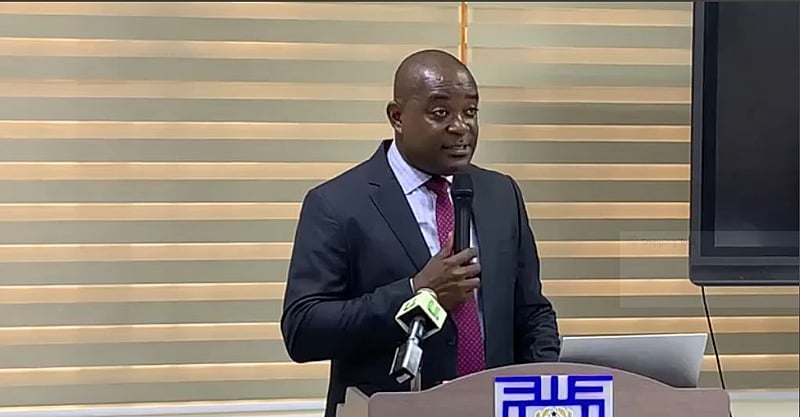
Ghana Tertiary Education Commission has officially withdrawn its policy directive on retirement age and post-retirement contracts for senior academic staff in public universities, following intervention from the Ministry of Education Ghana.
The decision, announced on April 27, 2026, comes after Education Minister Haruna Iddrisu directed the immediate reversal of earlier instructions issued by GTEC in late 2025. The directive had sought to regulate post-retirement engagements and effectively restricted universities from retaining retired academic staff under contract.
The move follows a high-level meeting between the Minister and the University Teachers Association of Ghana, which had strongly raised concerns about the implications of the policy on the tertiary education sector.

In compliance, GTEC confirmed the withdrawal of its October 1, 2025 directive, stating that the decision is temporary and intended to allow for broader consultations with key stakeholders before any final policy is implemented.
At the heart of the controversy was the impact of the directive on experienced lecturers who had reached the compulsory retirement age but were still being engaged by universities on contract. Critics argued that the policy risked weakening academic capacity, especially in specialised fields where senior lecturers play a critical role in teaching, mentorship, and research.
The Ministry of Education has now taken a more cautious and consultative approach. In its statement, it emphasized that any future policy must reflect “broad consensus, promote institutional sustainability, and serve the best interests” of Ghana’s higher education system.
This signals a shift from unilateral regulatory enforcement to stakeholder driven policy making, particularly in a sector as sensitive as tertiary education. Authorities appear to be acknowledging that decisions affecting universities require alignment with academic bodies, not just regulatory institutions.
The withdrawal is also expected to ease tensions within academia. In recent weeks, there had been growing discontent among lecturers, with UTAG reportedly pushing back against the directive and calling for reforms in how GTEC engages with universities.
From a broader perspective, the situation exposes an ongoing policy tension in Ghana’s education sector: balancing regulatory control with institutional autonomy. While GTEC is mandated to ensure standards and compliance, universities depend heavily on experienced faculty, including retired academics, to maintain teaching quality and continuity.

There is also a workforce dimension. Ghana, like many countries, faces capacity gaps in higher education, particularly in science, engineering, and specialised disciplines. Limiting post-retirement contracts without a clear replacement pipeline could create immediate shortages.
At the same time, the original directive likely aimed to address concerns around succession planning, youth inclusion, and adherence to formal retirement structures. The challenge now is finding a policy balance that supports both renewal and continuity.
What happens next will depend on the outcome of stakeholder consultations. These discussions are expected to involve universities, academic unions, policymakers, and regulatory bodies, with the goal of crafting a more widely accepted framework for managing retirement and post-retirement engagements.
For now, the immediate takeaway is clear: the directive is off the table, tensions have been temporarily defused, and the government is resetting the conversation.