

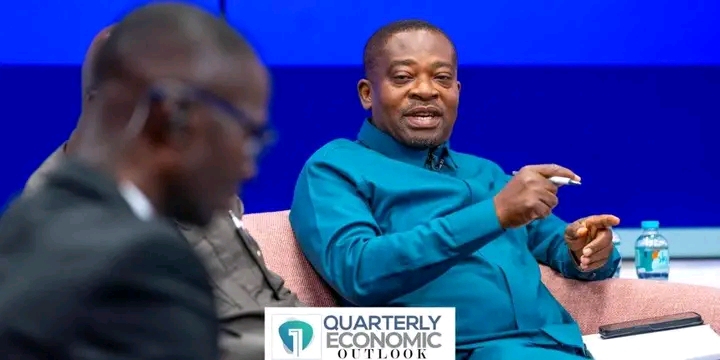
Ghana must urgently scale up local production capacity if it is to sustain economic stability after exiting its International Monetary Fund programme, according to the leadership of the Association of Ghana Industries.
The call comes at a critical moment as the country prepares to transition out of its IMF support programme, with concerns growing about how the economy will perform without external financial backing and policy discipline.
The Chief Executive Officer of AGI stressed that strengthening domestic production is not optional but essential for long term resilience. He argued that Ghana’s heavy reliance on imports continues to expose the economy to external shocks, currency pressures, and inflation volatility, all of which could intensify once IMF oversight ends.

According to the AGI, one of the most immediate priorities should be reducing the cost of production for local industries. This includes reviewing import duties on raw materials and improving access to inputs for manufacturers. Industry leaders believe that lowering these barriers would allow local businesses to compete more effectively with imported goods and expand their output.
The concern is grounded in Ghana’s broader economic structure. For years, the country has depended heavily on imports for finished goods and even basic industrial inputs, creating a persistent trade imbalance. While the IMF programme has helped stabilise macroeconomic indicators, including inflation and exchange rates, structural weaknesses in domestic production remain largely unresolved.
AGI officials argue that without a deliberate shift toward industrialisation and value addition, Ghana risks reversing the gains made under the IMF programme. They emphasise that economic recovery must go beyond stabilisation and focus on building productive capacity within the country.
There is also a strong link between local production and job creation. Expanding manufacturing and agro processing industries could absorb a growing labour force, particularly young people entering the job market. This aligns with broader national goals of reducing unemployment and promoting inclusive growth.
At the same time, stakeholders are calling for policy consistency. Businesses need a predictable environment to invest and expand, and frequent policy changes or regulatory uncertainty could undermine confidence. The AGI has therefore urged the government to maintain a stable and supportive industrial policy framework as the country moves beyond IMF supervision.
Infrastructure remains another key challenge. Reliable electricity supply, efficient transport systems, and improved logistics are critical to lowering production costs and increasing competitiveness. Without addressing these bottlenecks, local industries may struggle to scale, even with supportive policies in place.

The AGI has also highlighted the importance of financing. Access to affordable credit continues to be a major constraint for many businesses, particularly small and medium enterprises. High interest rates and limited access to capital have made it difficult for companies to invest in expansion, technology, and innovation.
In addition, there is a growing push for stronger linkages between agriculture and industry. By promoting agro processing and value addition, Ghana can reduce post harvest losses, increase export earnings, and create more jobs along the value chain.
The broader message from industry leaders is clear: macroeconomic stability alone is not enough. While the IMF programme has helped restore confidence in the economy, the next phase of growth must be driven by domestic productivity and industrial development.
As Ghana prepares for life after IMF support, the spotlight is shifting to how effectively it can build a self sustaining economy. Strengthening local production is being positioned as the foundation of that transition, with policymakers now under pressure to translate these calls into concrete action.