


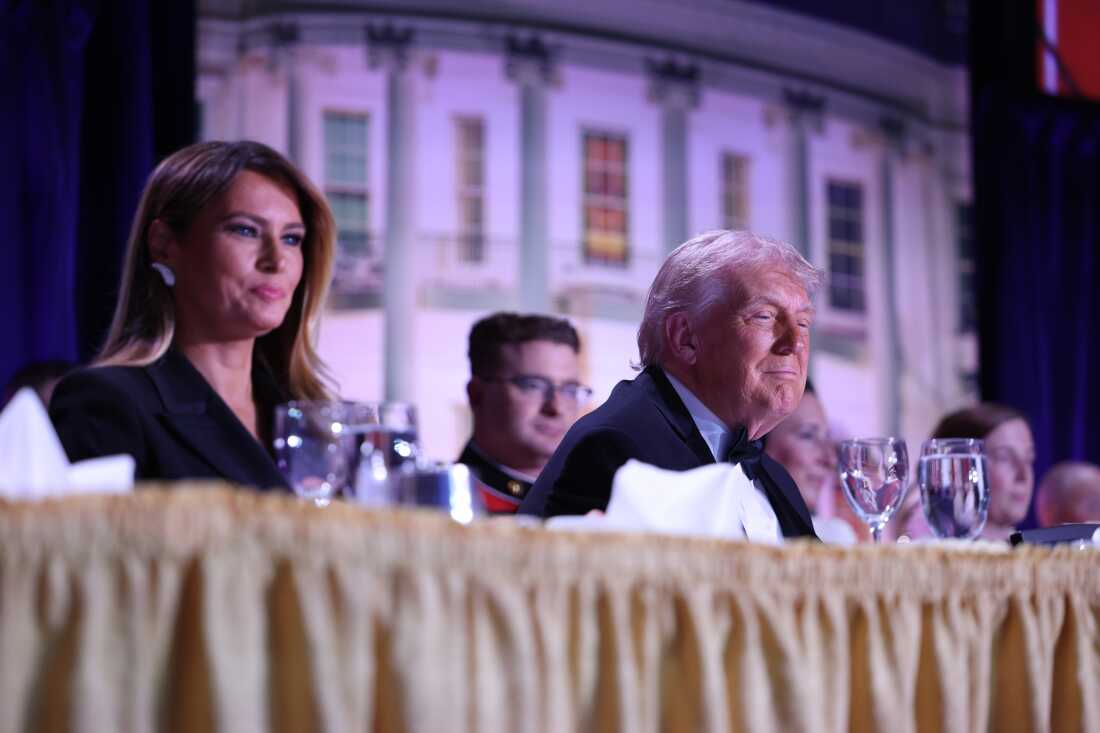
White House shooting incident has once again placed U.S. presidential security under intense scrutiny after gunfire disrupted a high-profile political event attended by President Donald Trump and First Lady Melania Trump. The attack, which occurred at the annual White House Correspondents’ Association Dinner in Washington, forced an immediate evacuation and triggered a rapid response from the United States Secret Service.
Authorities confirmed that a gunman opened fire near a security checkpoint at the Washington Hilton Hotel, targeting security personnel. While the officer involved survived due to protective gear, the incident has raised fresh concerns about vulnerabilities even within heavily secured environments.
White House Shooting Incident Tests Security Protocols
The White House shooting incident underscores both the strength and the limits of layered security systems designed to protect top officials. According to officials, the suspect attempted to breach a controlled perimeter and fired directly at a Secret Service agent before being subdued.
From a security standpoint, the system functioned as intended, neutralising the threat before it reached the main venue. However, the fact that the attacker advanced as far as he did suggests gaps in early threat detection and perimeter control, particularly in large, multi-entry venues hosting high-profile gatherings.

For policymakers, this incident will likely trigger a reassessment of risk models used for public-facing presidential events, especially those involving mixed audiences of politicians, journalists, and business leaders.
Immediate Market and Institutional Implications
Although the shooting incident did not directly disrupt financial markets, such events typically introduce short-term uncertainty, particularly in sectors sensitive to political stability. Security-related stocks, defence contractors, and surveillance technology providers often see increased attention following incidents of this nature.
More broadly, the attack reinforces the importance of institutional resilience. The swift containment of the situation prevented escalation, which is critical in maintaining investor confidence. In global markets, perceptions of U.S. political stability influence capital flows, currency strength, and risk premiums.
Even isolated incidents can have reputational spillovers if they expose systemic weaknesses. In this case, the rapid response helped limit those risks.
For businesses, especially those operating in sectors tied to government, media, and large-scale events, the White House shooting incident highlights the operational risks associated with high-profile gatherings. Conferences, diplomatic events, and corporate summits often rely on assumptions of security that, while generally valid, are not immune to breach attempts.
Event organisers may now face higher insurance costs, stricter compliance requirements, and increased investment in private security infrastructure. Hospitality venues hosting political or international events could also see tighter federal oversight.
For multinational firms, the incident serves as a reminder that geopolitical and security risks are not confined to emerging markets, they can materialise even in the world’s most advanced economies.
At the household level, the White House shooting incident reinforces ongoing concerns about public safety and gun violence in the United States. While this was a targeted attack on a secured event, its visibility amplifies broader anxieties about security in public spaces.
Such incidents can influence public sentiment, potentially affecting consumer confidence and spending behaviour, particularly in urban centres or during large events. Psychological impacts, fear, caution, and reduced mobility, often follow high-profile security breaches.
At the same time, the visible effectiveness of the Secret Service response may reassure the public that protective systems remain robust, even under stress.
Law Enforcement and Legal Ramifications
Authorities have identified the suspect and confirmed that he acted alone, describing him as a “lone wolf.” Federal prosecutors are expected to pursue serious charges, including assault on a federal officer and firearm-related offences.
The legal process will be closely watched, not just for accountability, but for insights into motive and potential systemic warning signs that may have been missed. These findings could shape future policy decisions on surveillance, threat assessment, and firearm regulation.
The White House shooting incident arrives at a time of heightened global sensitivity to political risk. Although officials have ruled out links to international conflicts, the event will inevitably be analysed within the broader context of domestic security and global perception.
For governments, the key takeaway is the need to continuously adapt security frameworks to evolving threats, including lone actors who exploit momentary vulnerabilities. For businesses and investors, the incident reinforces the importance of factoring political and security risks into strategic planning.
Ultimately, the White House shooting incident is less about a single act of violence and more about the resilience of systems designed to prevent it from escalating. The swift response by security agencies ensured that the situation was contained, protecting both leadership and public confidence.
However, the incident also serves as a reminder that no system is entirely impermeable. For policymakers, businesses, and households alike, the focus now shifts to learning from the breach, strengthening safeguards, and maintaining trust in institutions that underpin both governance and economic stability.
Read also: Trump warns of devastating strikes on Iran infrastructure if talks collapse