

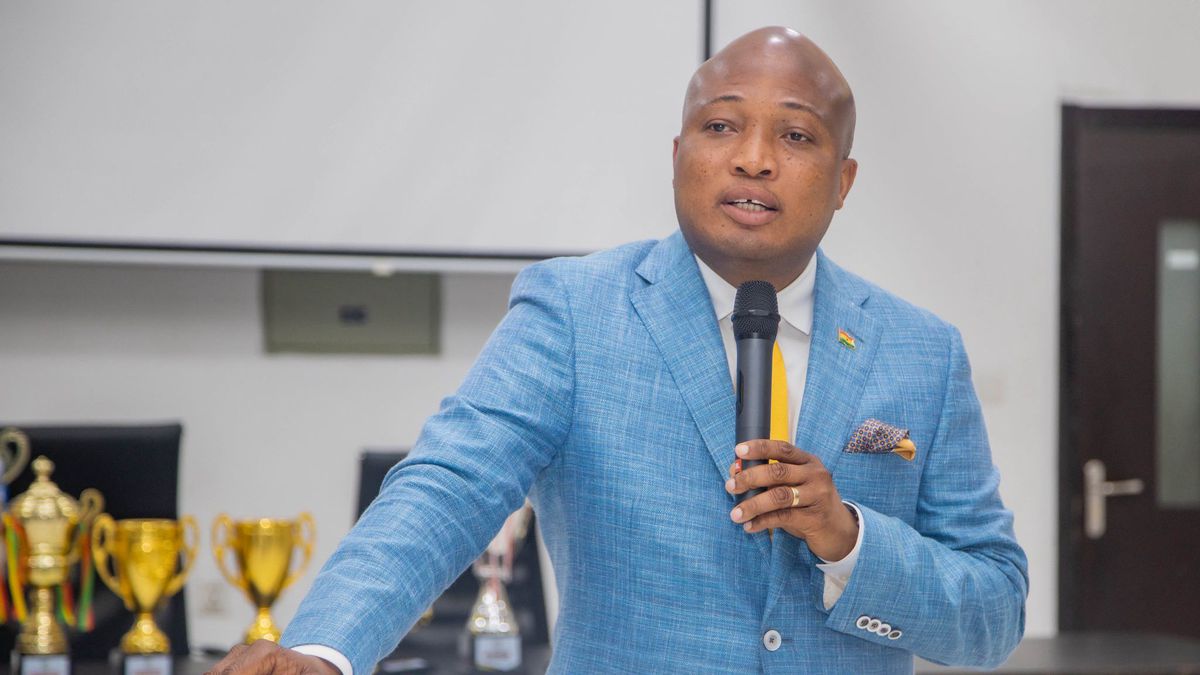
Ghana is stepping up efforts to revive its struggling sports infrastructure through a new partnership with Morocco, as Foreign Affairs Minister Samuel Okudzeto Ablakwa outlines a broader strategy to reposition the country as a competitive force in African sports.
The collaboration, according to the minister, is not just symbolic but part of a deliberate plan to learn from Morocco’s rapid rise as a continental sports powerhouse. Speaking during engagements with Moroccan officials, Ablakwa pointed to Morocco’s recent success in hosting major tournaments and its heavy investment in world-class facilities as a model Ghana intends to replicate.
“We are collaborating when it comes to sports because Morocco has become a hub for sporting activities in Africa… They have invested tremendously in sporting infrastructure, and we are working with them to also improve our facilities and nurture our young talents,” Ablakwa stated.

The reference to Morocco’s growing influence is grounded in recent developments. The country has hosted multiple high-profile competitions, including the 2024 Women’s Africa Cup of Nations and the 2025 Africa Cup of Nations, earning praise for its modern stadiums, advanced pitch technology, and overall event organisation. These achievements have positioned Morocco as one of Africa’s leading destinations for international sporting events.
For Ghana, the partnership comes at a critical time. The country has faced increasing scrutiny over the state of its sports infrastructure, with several stadiums falling short of international standards in recent years. This has affected Ghana’s ability to host major matches and tournaments, raising concerns about long-term competitiveness and talent development.
Analysts say the decision to collaborate with Morocco reflects a pragmatic approach. Rather than reinventing the wheel, Ghana is seeking to tap into an already successful system, one built on sustained investment, strategic planning, and alignment between sports policy and national development goals. Morocco’s approach has combined infrastructure development with grassroots talent nurturing, creating a pipeline that supports both domestic leagues and national teams.
Beyond infrastructure, the partnership is expected to extend into technical cooperation, training, and youth development programmes. This could include knowledge transfer in stadium construction, sports management, and athlete development systems, areas where Ghana has struggled to maintain consistency.

The initiative also forms part of a broader deepening of ties between Ghana and Morocco. In recent years, both countries have expanded cooperation across multiple sectors including education, trade, and aviation, signalling a strategic bilateral relationship that goes beyond diplomacy.
Ablakwa himself emphasised that the relationship is evolving rapidly, describing it as “very broad, very deep, and very wide.” The inclusion of sports in this cooperation highlights how both countries view athletics not just as entertainment, but as a key driver of youth development, national identity, and economic opportunity.
However, the success of the partnership will ultimately depend on execution. Ghana has previously undertaken stadium renovations and infrastructure projects, but inconsistencies in maintenance, funding, and oversight have limited long-term impact. Experts argue that without structural reforms and sustained investment, even the best international partnerships may fail to deliver lasting results.
There is also the question of financing. Morocco’s sports transformation has been backed by significant government investment and long-term planning. Replicating that model will require Ghana to commit substantial resources at a time when fiscal pressures remain high.
Still, the potential upside is considerable. Improved sports infrastructure could restore Ghana’s status as a major host for international competitions, boost local leagues, and create opportunities for young athletes to develop within a more professional environment. It could also enhance the country’s ability to attract sports tourism and related investment.
For Ghanaian youth, the most immediate impact may be in talent development. Better training facilities, exposure to advanced coaching methods, and stronger institutional support could help bridge the gap between local potential and international success.

The partnership with Morocco therefore represents more than a diplomatic agreement. It is a test of Ghana’s commitment to rebuilding its sports ecosystem from the ground up. If executed effectively, it could mark the beginning of a new era for Ghanaian sports, one defined not by decline, but by deliberate and sustained growth.