


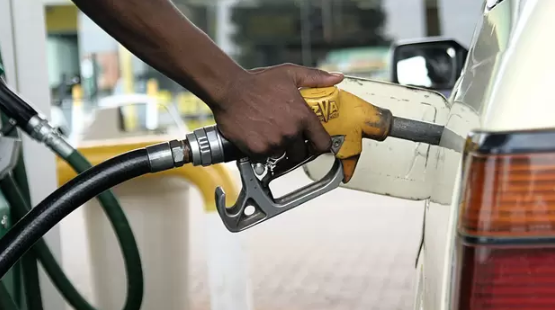
The Government of Ghana has announced a temporary intervention to absorb part of rising petroleum prices, stepping in to ease the growing financial strain on households, transport operators, and businesses amid global fuel market volatility.
Effective April 16, 2026, the state will absorb GH¢2.00 per litre on diesel and GH¢0.36 per litre on petrol, a move aimed at softening the impact of recent sharp increases at the pump.
The decision comes at a time when global oil prices have surged due to geopolitical tensions, particularly disruptions linked to the Middle East, which have driven up fuel costs across Africa. Ghana, like many countries on the continent, remains heavily dependent on imported refined petroleum, making it highly vulnerable to such external shocks.

The intervention, which is expected to last for one month, reflects the policy direction of John Dramani Mahama’s administration, which has prioritised cushioning citizens from the immediate effects of economic pressures while attempting to maintain broader macroeconomic stability.
Recent pricing adjustments had already pushed fuel costs significantly higher. Petrol prices rose by roughly 15 percent to around GH¢13.30 per litre, while diesel increased by about 19 percent to approximately GH¢17.10 per litre in early April. These increases quickly translated into higher transportation fares, food prices, and general cost of living pressures.
By absorbing part of the price increase, the government is effectively reducing the burden passed on to consumers. This is particularly critical for sectors like transportation, where fuel costs directly influence fares and, by extension, the prices of goods and services across the economy.
The move also signals a broader economic balancing act. On one hand, the government is attempting to stabilise prices and protect livelihoods. On the other, it must manage the fiscal implications of reduced revenue from petroleum-related taxes and margins.
Analysts note that while such interventions provide immediate relief, they carry longer term risks if not carefully managed. Ghana has previously implemented similar measures during periods of economic stress, including during the COVID-19 pandemic, where subsidies and relief programmes helped households but later contributed to fiscal strain and rising public debt.
This time, however, the government appears to be framing the measure as targeted and temporary. The one month duration suggests a cautious approach, allowing authorities to reassess depending on how global oil prices evolve.
There is also a strategic dimension. The government has been exploring alternative supply arrangements, including potential partnerships with regional refineries such as Nigeria’s Dangote Refinery, in an effort to reduce exposure to volatile international markets.

At the same time, complementary measures are being considered to manage the broader impact of rising fuel costs. These include efforts to improve public transportation systems and enforce cost control measures within government operations.
The effectiveness of the intervention will ultimately depend on several factors. If global oil prices stabilise or decline, the relief could help reset price expectations and ease inflationary pressures. However, if external shocks persist, the government may face pressure to extend or deepen the intervention, increasing the fiscal burden.
For now, the policy underscores a clear message. The administration is willing to absorb part of the shock to protect citizens, even as it navigates a fragile economic recovery.
In practical terms, consumers are expected to see some reduction in pump prices or at least a slower rate of increase in the coming weeks. For many households and businesses already stretched by rising costs, that relief, even if temporary, could make a meaningful difference.
Fuel supply Ghana secured: GOIL vows no shortages