

Ghana’s security authorities have moved swiftly to tighten protection for domestic football teams after the fatal attack on a team bus that claimed the life of young player Dominic Frimpong, an incident that has shaken the country’s sporting community and raised serious concerns about safety on highways.
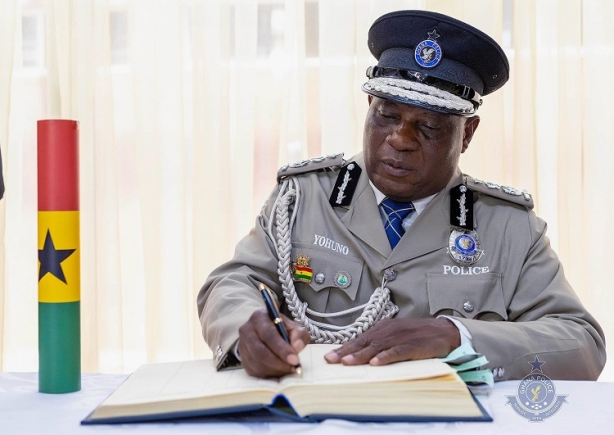
The Inspector General of Police has directed all regional and district police commands to assign armed officers to accompany Ghana Premier League clubs during travel for matches. Under the new directive, at least two armed officers will travel with each team within their respective jurisdictions as part of emergency measures to prevent further attacks.
The decision follows the tragic killing of Frimpong, a 20 year old winger for Berekum Chelsea, who was shot during an armed robbery attack on the team’s bus as they returned from a league match. Reports indicate that masked gunmen blocked the road and opened fire as the driver attempted to reverse, forcing players and officials to flee into nearby bushes. Frimpong was struck in the head and later died in hospital, becoming the only confirmed fatality from the incident.

The Ghana Football Association described the incident as a devastating blow to the sport, stating that it had “received with profound shock and deep sorrow” the news of the player’s death. The governing body also acknowledged that the tragedy had “sent shockwaves across the entire football fraternity,” while pledging to work closely with authorities to improve safety measures for clubs.
Security concerns around team travel are not new in Ghana. Over the past few years, several clubs including Legon Cities, AshantiGold, Wa All Stars and FC Savannah have reported similar attacks while traveling for matches. These incidents have typically involved armed robbery attempts targeting team buses on highways, exposing players and officials to significant risk.
The latest directive by the police is therefore being seen as both reactive and necessary. By embedding armed officers directly with teams, authorities hope to deter potential attackers and restore confidence among players, clubs and fans. It also signals a broader recognition that sports teams, particularly those traveling long distances by road, are increasingly vulnerable targets.
However, the move also raises deeper questions about systemic security challenges. Ghana’s road network, especially in more remote areas, has long been associated with robbery incidents, and critics argue that escorting football teams alone does not address the wider issue of highway safety. The effectiveness of the new directive will likely depend on consistent enforcement, adequate resourcing, and coordination between police units across regions.
Beyond the immediate response, the tragedy has reignited debate about structural reforms within Ghanaian football logistics. Some stakeholders have suggested alternatives such as centralized travel arrangements, enhanced surveillance along key routes, and even scheduling adjustments to reduce late night journeys. Others have called for collaboration between the Ghana Football Association, security agencies and government to develop a long term safety framework.

Meanwhile, police have launched a manhunt for the perpetrators involved in the attack, deploying additional personnel and forensic teams to assist investigations. Authorities have assured the public that those responsible will be brought to justice, although such assurances have been made in past incidents with varying outcomes.
For many within the football community, the focus remains on mourning a promising talent whose life was cut short. Frimpong had made a strong impression during his time with Berekum Chelsea, scoring twice in 13 appearances and earning recognition as one of the league’s emerging players. His death has not only left a void within his club but has also underscored the human cost of insecurity.
The introduction of armed escorts may offer immediate reassurance, but it also reflects a sobering reality. Football in Ghana, like many other sectors, now finds itself navigating not just competition on the pitch, but the growing challenge of safety beyond it.
Berekum Chelsea player Dominic Frimpong dies in highway robbery attack