

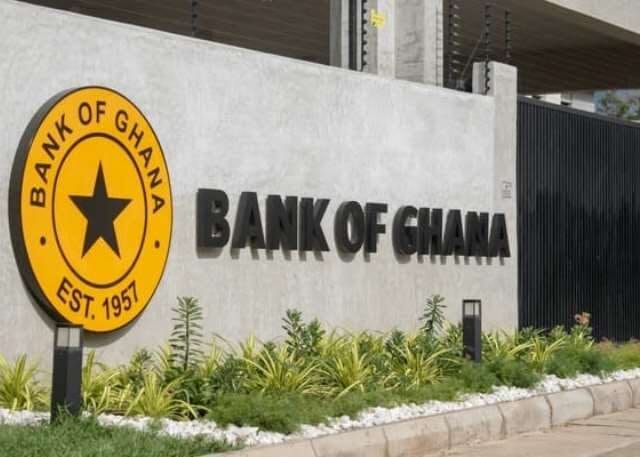
The Bank of Ghana interest rate cut to 15.5 percent marks a decisive shift in policy direction, signalling that the central bank believes the worst phase of macroeconomic instability is over. By lowering its benchmark rate by 250 basis points at its January 2026 meeting, the Bank has extended an easing cycle that is now firmly oriented toward supporting growth, job creation, and credit expansion rather than purely defending price stability.
This latest move, the fourth consecutive reduction, takes the policy rate to its lowest level in four years and reflects growing confidence that inflation, fiscal pressures, and external vulnerabilities are sufficiently contained to allow looser financial conditions.
What drove the Bank of Ghana interest rate cut?
According to Governor Dr. Johnson Asiama, the decision was anchored in sustained disinflation and improving macroeconomic fundamentals. Headline inflation fell sharply to 5.4 percent in December 2025 from 23.8 percent a year earlier, while core inflation also eased, suggesting that underlying price pressures have weakened materially.
This rapid slowdown created room for the Bank of Ghana high nominal Treasury yields pushed real interest rates to restrictive levels. With inflation expectations now well anchored across consumers, businesses, and financial institutions, policymakers judged that maintaining overly tight monetary conditions would unnecessarily constrain growth.
For households, the Bank of Ghana interest rate cut is most likely to be felt through borrowing costs and disposable income. Lower policy rates typically translate, with some lag, into cheaper personal loans, mortgages, and hire-purchase arrangements. This easing can help households smooth consumption, refinance expensive debts, and increase spending on housing, education, and durable goods.
Importantly, the rate cut also supports employment prospects. As credit becomes more affordable, businesses are better positioned to expand operations and hire workers. This indirect channel is crucial in an economy where household welfare depends heavily on job stability rather than financial asset ownership.
Implications for businesses and private investment
The Bank of Ghana interest rate cut significantly alters the cost-of-capital landscape for firms. Average lending rates have already declined sharply, encouraging a rebound in private sector credit growth. For small and medium-sized enterprises, which are particularly sensitive to financing costs, this easing improves cash flow management and investment planning.
Lower rates also make longer-term projects more viable, especially in services, agriculture, and light manufacturing, sectors that have been key drivers of recent non-oil GDP growth. By reducing debt-servicing burdens, the Bank of Ghana interest rate cut enhances business resilience at a time when firms are still adjusting to post-crisis balance sheets.
Economic data increasingly support the central bank’s pivot. Real GDP growth accelerated to 6.1 percent in the first three quarters of 2025, while non-oil GDP expanded by a robust 7.5 percent. The Bank’s Composite Index of Economic Activity also recorded strong gains, reflecting improved trade, industrial output, consumption, and private credit.
These trends reinforce the rationale behind the Bank of Ghana interest rate cut, suggesting that looser financial conditions are amplifying, rather than undermining, macroeconomic stability.
Fiscal discipline and financial stability considerations
Fiscal performance has improved markedly, reducing the risk that monetary easing could reignite inflation. The fiscal deficit undershot targets, while public debt declined sharply as a share of GDP. This coordination between fiscal consolidation and monetary easing strengthens the credibility of the Bank of Ghana interest rate cut.
However, risks remain. Non-performing loans in the banking sector are still elevated, which could slow the pass-through of lower policy rates to borrowers. The central bank has indicated that ongoing reforms and tighter credit standards should gradually improve asset quality and reinforce financial intermediation.
The broader significance of the Bank of Ghana interest rate cut lies in what it signals about policy priorities. After years of crisis management focused on inflation control and currency defence, the central bank is now recalibrating toward sustaining recovery, boosting employment, and restoring confidence in domestic investment.
While policymakers have emphasised vigilance and readiness to act if conditions deteriorate, the current stance suggests a belief that Ghana’s economy has entered a more durable phase of stability.
As the next MPC meeting approaches in March 2026, markets and households alike will assess whether the Bank of Ghana interest rate cut translates into faster credit growth, stronger job creation, and tangible improvements in living standards. The durability of disinflation and the health of the banking sector will remain critical tests of this growth-focused strategy.
Demand for non-interest banking in Ghana rises sharply, says finance expert