

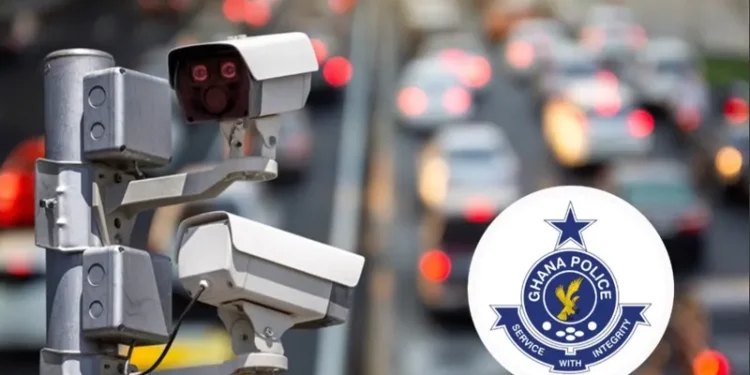
Motorists in Ghana are gradually becoming more cautious on the country’s roads following the introduction of the automated traffic enforcement system, TRAFFITECH-GH, according to the National Road Safety Authority (NRSA). Newscard
The Authority says initial observations suggest that the introduction of technology driven traffic monitoring is beginning to influence how drivers behave, particularly regarding speeding and compliance with road traffic regulations.
Henry Asomani, Deputy Director of Planning and Programmes at the NRSA and the Authority’s focal person for TRAFFITECH-GH, said some motorists were now more conscious of their driving habits because they knew traffic violations could be detected and attract penalties.
Speaking to the Ghana News Agency (GNA) on Friday, November 6, 2026, Mr Asomani explained that the system was already producing noticeable changes among road users, even though its full enforcement operations had only commenced on November 1.
He observed that drivers who previously exceeded speed limits were increasingly reducing their speed to avoid receiving electronic traffic violation notices.
According to him, the development suggests that automated enforcement could become an important tool in addressing persistent indiscipline on Ghana’s roads, where reckless driving and disregard for traffic regulations have contributed to road crashes and fatalities.
TRAFFITECH-GH is an automated traffic enforcement initiative developed by the Ghana Police Service to strengthen compliance with existing road traffic laws.

The system uses cameras, sensors and other monitoring devices to identify motorists who violate traffic regulations, including speeding and running red lights.
When an offence is detected, the relevant evidence is transmitted for review and validation before an Electronic Notice of Violation is issued to the registered vehicle owner or the appropriate driver.
The introduction of the system forms part of broader efforts by the government and road safety authorities to reduce preventable accidents, improve driver discipline and make Ghana’s roads safer for all users.
Mr Asomani said the initiative had received considerable acceptance from members of the public, although some motorists had raised concerns about inadequate road infrastructure and the need for clearer road signs.
He acknowledged that such concerns required attention, particularly because drivers must have adequate information about speed limits and other traffic requirements to comply with the law.
The NRSA is therefore engaging relevant road agencies to ensure that appropriate road signs are installed and maintained to guide motorists.

The discussions are expected to address gaps in road signage and improve the general conditions necessary for effective traffic management.
The concerns are particularly important because road safety cannot depend entirely on enforcement technology. Corrections Policy
Clear speed-limit signs, functioning traffic lights, visible road markings and properly maintained roads are essential components of an effective road safety system.
The NRSA has maintained that TRAFFITECH-GH is intended to strengthen the enforcement pillar of road safety management, rather than replace other interventions.
The remaining pillars include road engineering, emergency response and public education.
Mr Asomani explained that years of road safety education had not always produced the desired behavioural changes because some drivers continued to disregard regulations when they believed they would not face consequences.
He argued that enforcement was necessary to ensure that road users took safety messages seriously and understood the consequences of irresponsible driving.
His comments highlight a longstanding challenge in Ghana’s road transport sector, where public education campaigns have frequently been accompanied by concerns about weak compliance and inconsistent enforcement.
For years, road safety authorities, transport unions and other stakeholders have appealed to motorists to avoid speeding, dangerous overtaking, drunk driving and other practices that endanger lives.
However, the persistence of road crashes has demonstrated the need for stronger measures to complement public awareness campaigns.
The automated system is expected to address some of these challenges by making traffic monitoring more consistent and reducing dependence on physical police presence at every location.
Beyond speeding and red-light violations, the Ghana Police Service has outlined other offences that may be detected or enforced through TRAFFITECH-GH, including driving without valid insurance, expired roadworthiness certification, wrongful overtaking and failure to wear seatbelts.
Motorists who receive electronic violation notices are advised to verify the details through the official TRAFFITECH-GH platform and use the approved channels to pay or contest the notices within the stipulated period.
The Police have also cautioned the public against fraudulent messages and unofficial payment requests. Editorial Ethics & Independence
Motorists should verify that notices originate from the recognised GPS-MTTD sender identification and avoid sending money to personal mobile money accounts.
Meanwhile, the NRSA is hopeful that the behavioural changes being observed will translate into a reduction in road crashes, injuries and deaths, particularly as Ghana approaches the Christmas festivities, when traffic volumes traditionally increase.

Mr Asomani urged motorists to exercise patience, respect traffic regulations and remain conscious of the safety of pedestrians, passengers and other road users.
He stressed that the primary objective of the initiative was not to generate revenue through traffic fines but to encourage responsible driving and save lives. Editorial Standards
The success of TRAFFITECH-GH will ultimately depend on how consistently motorists comply with traffic regulations and how effectively the relevant institutions maintain the infrastructure needed to support the system.
For Ghana, the introduction of automated traffic enforcement represents an opportunity to move towards a more disciplined road transport culture.
However, sustained public education, transparent enforcement and improvements in road infrastructure will remain essential if the initiative is to deliver lasting results.