

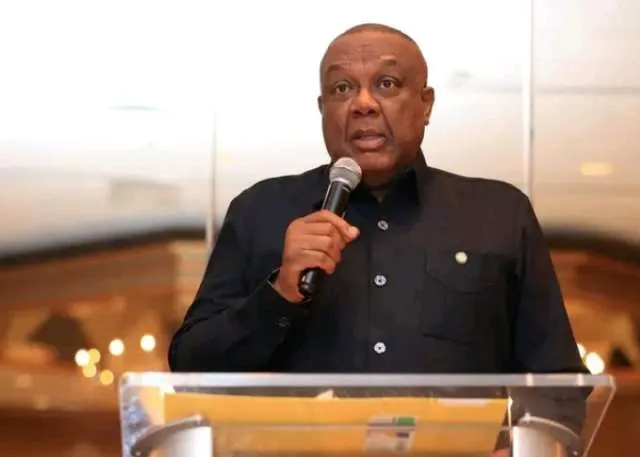
Ghana’s Ambassador to the United States, Victor Emmanuel Smith, has opened up about the bullying his son has experienced at school in America, describing the situation as deeply worrying and raising fresh concerns about racial discrimination and the treatment of African children in foreign educational institutions. Editorial Standards
The Ambassador disclosed that his son has been subjected to persistent harassment by fellow students, prompting him to formally report the matter to the school’s authorities and demand immediate intervention.
Speaking on TV3’s The KeyPoints programme on Saturday, November 7, 2026, Mr Smith said the experience had reinforced his conviction that racism and discrimination remain significant challenges in American society despite ongoing efforts to address them.
According to him, his son has faced difficulties fitting into the school environment because of his African background, particularly the way he speaks and his refusal or inability to immediately adopt American slang and speech patterns.
Mr Smith explained that some students appeared unwilling to accept children who spoke differently or did not share the same cultural and social characteristics as their American-born classmates.
He said the situation had left his son feeling uncomfortable and unwanted, raising concerns about the emotional impact of such treatment on young people who are trying to adapt to an unfamiliar environment.
The Ambassador said he had become particularly concerned after learning about the extent of the harassment and subsequently advised his son to report the incidents to the appropriate school authorities.
He also personally raised the matter with the school’s principal, expressing his dissatisfaction and demanding that the institution take the necessary steps to protect his child.
Mr Smith indicated that he would consider withdrawing his son from the school if the authorities failed to address the situation appropriately.

He stressed that no child should be subjected to continuous harassment simply because of their nationality, accent, cultural background or appearance.
Reflecting on the experience, the Ambassador said bullying was not an unfamiliar situation to him, explaining that he had encountered similar treatment and was troubled by the fact that some of the reported incidents involved Black students targeting other Black students.
He questioned why children from similar racial backgrounds would subject one another to discrimination and intimidation instead of supporting each other in environments where they might already face cultural and social challenges.
According to Mr Smith, his son’s experience demonstrates that bullying should not always be viewed through a single racial perspective, as peer pressure, upbringing, social attitudes and intolerance towards cultural differences can also contribute to the problem.
However, he maintained that racial discrimination remains a reality in the United States and should not be dismissed or ignored.
His comments have renewed discussions about the experiences of African immigrant children who move to the United States with their families in search of better educational opportunities and improved living conditions. Corrections Policy
For many Ghanaian parents, relocating their children to America is often associated with access to quality education, improved facilities and opportunities for personal development.
However, adjusting to a different school system can come with challenges that extend beyond academic performance.
Children who arrive from African countries may have to adapt to unfamiliar accents, expressions, social expectations and classroom cultures.
While cultural adjustment is a normal part of migration, it becomes problematic when differences are used as reasons to isolate, ridicule or intimidate others.
Bullying can have serious consequences for a child’s confidence, emotional well-being, academic performance and ability to build friendships.
Students who experience repeated harassment may become withdrawn, develop anxiety about attending school or struggle to participate in social activities.
This makes it important for schools to establish clear reporting procedures and respond promptly whenever students or parents raise concerns about intimidation and discrimination.
The Ambassador’s disclosure comes at a time when concerns about the safety and welfare of Ghanaian children in the United States have intensified following the death of 15 year old Ghanaian student Javits Badu Nkansah Frimpong in the Bronx, New York.
Javits was shot on October 29, 2026, while reportedly walking to school. His death has generated widespread concern among Ghanaians, with his family and members of the Ghanaian community calling for justice.

Reports have also raised questions about whether the teenager experienced bullying before his death.
However, American law enforcement authorities have not established that bullying was responsible for the shooting, and investigations into the circumstances surrounding the incident remain separate from the allegations involving Ambassador Smith’s son.
Following the tragedy, Mr Smith called for a thorough and impartial investigation, particularly in view of reports concerning the teenager’s experiences at school.

In a condolence message issued on behalf of the Ghanaian government, he emphasised the importance of protecting children against bullying, racial discrimination and violence, regardless of their nationality or background.
The recent developments have highlighted the importance of cooperation between parents, school administrators, community organisations and diplomatic authorities in protecting Ghanaian children living overseas.
Parents are encouraged to maintain regular communication with their children, pay attention to changes in their behaviour and take reports of bullying seriously.
Schools, on their part, have a responsibility to provide safe learning environments where students can express themselves without fear of intimidation. Editorial Ethics & Independence
Mr Smith’s account also serves as a reminder that moving abroad does not automatically eliminate the social challenges children may encounter.

Although the United States offers considerable educational and professional opportunities, immigrant families must also consider the emotional and cultural adjustments associated with settling in a new country.
As discussions surrounding racism, bullying and the welfare of Ghanaian nationals in America continue, the Ambassador’s experience has brought renewed attention to the need for stronger protection of African children in schools.
Ultimately, every child deserves an educational environment where differences in accent, nationality, culture or appearance are respected rather than used as grounds for harassment.