

The government has accepted recommendations to fix Ghana’s presidential elections in the first week of November and to introduce strict constitutional timelines for resolving presidential election disputes, as part of a broader package of constitutional reforms aimed at strengthening the country’s democratic governance.
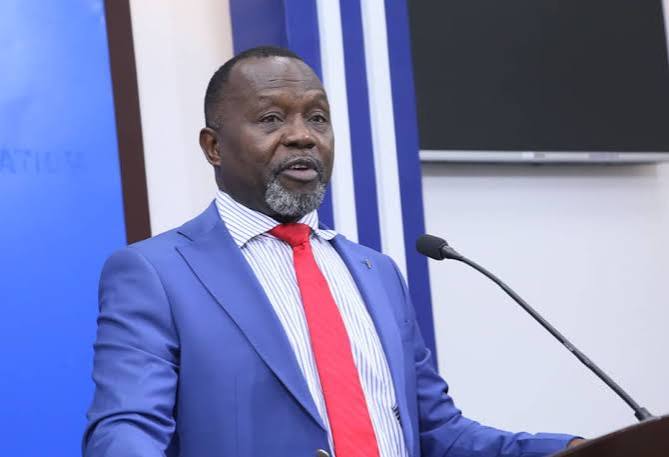
Attorney General and Minister for Justice, Dr Dominic Ayine, announced the decisions on Thursday while presenting the government’s White Paper on the recommendations of the Constitutional Review Committee (CRC). Under the proposal, presidential elections will be held on a day within the first week of November, with the specific date to be determined by the Electoral Commission through a constitutional instrument.
According to Dr Ayine, adopting a fixed election period will bring greater certainty to Ghana’s electoral calendar, enabling the Electoral Commission, political parties, election observers and other stakeholders to prepare adequately for the polls. He noted that the revised schedule would also provide sufficient time between the conduct of the election and the inauguration of a new president on January 7.

The government has also endorsed a recommendation to establish clear constitutional timelines for the filing and determination of presidential election petitions. Under the proposed amendment, any petition challenging the outcome of a presidential election must be filed within 14 days after the declaration of results. The Supreme Court will then be required to determine the petition within 30 days.
Dr Ayine said the constitutional amendment would explicitly provide for these deadlines to ensure the prompt resolution of election-related disputes. He further disclosed that the Electoral Commission would be placed under a constitutional obligation to disclose all relevant electoral data to both the court and all parties involved in any election petition.
According to him, the government’s position is intended to promote transparency in the adjudication of election disputes while safeguarding the country’s democratic stability.

“The timely resolution of election disputes inures well to the stability of our democratic transitions and to the general political stability of our country and society,” Dr Ayine said.
The proposals form part of a wider constitutional reform agenda designed to improve governance, strengthen democratic institutions and enhance public confidence in Ghana’s electoral process. The recommendations will, however, require the necessary constitutional amendment procedures, including parliamentary approval and, where applicable, a national referendum, before they can take effect.
Philbert Amiba Ayuusah