


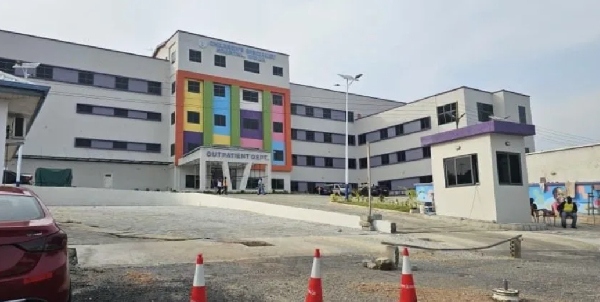
The World Bank has called on the Government of Ghana to urgently operationalise the US$10.15 million Weija Pediatric Hospital project, stressing the need to ensure that the facility delivers its intended healthcare benefits to children and families within the catchment area.
The appeal forms part of ongoing discussions around the effective utilisation of donor funded health infrastructure projects in Ghana, where concerns have often been raised about delays in completing or activating completed facilities despite significant financial investments.
The Weija Pediatric Hospital, located in the Greater Accra Region, is expected to strengthen child healthcare delivery, reduce pressure on existing major hospitals, and improve access to specialised medical services for children in surrounding communities. The facility is part of broader efforts to decentralise healthcare delivery and expand access to quality medical care beyond major urban teaching hospitals.

According to development partners, investments in pediatric healthcare infrastructure are critical in improving child survival rates, reducing maternal and infant mortality, and ensuring early intervention for childhood diseases. The World Bank’s intervention underscores the importance of ensuring that physical infrastructure translates into actual service delivery outcomes.
Health sector analysts have long argued that Ghana’s healthcare system faces a recurring challenge where infrastructure projects are completed but remain underutilised due to operational delays, staffing constraints, or funding limitations. This has led to concerns about efficiency in public investment and the sustainability of donor supported projects.
The call to operationalise the Weija Pediatric Hospital comes at a time when Ghana continues to face pressure on its healthcare system, particularly in urban and peri urban areas where population growth has increased demand for medical services. Pediatric facilities are especially important given the country’s youthful population structure, with children representing a significant proportion of healthcare demand.

The World Bank has consistently supported Ghana’s health sector through financing for infrastructure development, health insurance reforms, and maternal and child health programmes. Its latest appeal reflects a broader emphasis on ensuring that completed projects are not left idle but are fully integrated into the national health delivery system.
Stakeholders within the health sector have also highlighted the need for adequate staffing, equipment, and operational funding to ensure that the hospital can function effectively once opened. Without these components, experts warn that even well built facilities risk becoming underutilised assets.
The government is expected to engage relevant agencies, including the Ministry of Health and the Ghana Health Service, to assess the readiness of the facility and address any outstanding issues required for commissioning and full operation. Public health advocates are also calling for transparent timelines to ensure accountability in the process.

If fully operationalised, the Weija Pediatric Hospital is expected to improve healthcare access for thousands of children annually, reduce congestion in major hospitals in Accra, and enhance emergency and specialised pediatric care services in the region.
As Ghana continues to invest in expanding its healthcare infrastructure, development partners are increasingly emphasising not just construction, but functionality, efficiency, and long term sustainability as key indicators of success.
World Bank Group Launches Business Ready Report in Ghana