

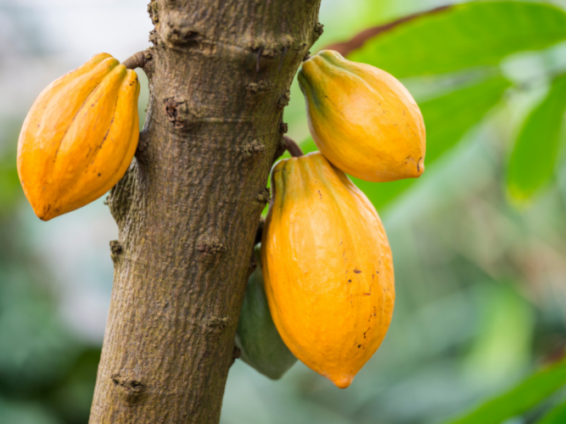
Ghana is set to begin selling US$1 billion worth of cocoa backed bonds from July 2026, marking a significant step in its efforts to raise external financing while leveraging one of its most strategic export commodities.
The planned issuance is expected to be anchored on cocoa revenues, one of Ghana’s most important foreign exchange earners, as the country continues to explore innovative financing structures to support budget stability and economic recovery.
Cocoa remains central to Ghana’s export economy, contributing significantly to foreign exchange earnings and rural livelihoods. The sector is managed through state backed institutions and is closely tied to global commodity markets, making it a viable asset base for structured financial instruments such as cocoa bonds.

The bond sale comes at a time when Ghana is strengthening its macroeconomic position following a period of fiscal adjustment and debt restructuring. Authorities have been working to restore investor confidence, improve foreign reserve buffers, and stabilise the local currency after years of volatility.
Market analysts say the $1 billion cocoa bond programme reflects a broader strategy by government to diversify funding sources beyond traditional sovereign borrowing. By tying repayment to commodity revenues, Ghana aims to attract investors seeking exposure to stable export backed cash flows.
The cocoa sector is overseen by the Ghana Cocoa Board, which plays a central role in marketing, pricing, and financing cocoa production. The institution is expected to be key in structuring and managing the proceeds of the bond issuance, given its control over export revenues and producer payments.

Ghana is one of the world’s largest cocoa producers alongside Côte d’Ivoire, and fluctuations in global cocoa prices have a direct impact on national revenue performance. Recent years have seen periods of strong cocoa prices, which have improved export earnings and provided some fiscal relief for producing countries.
The introduction of cocoa bonds is also seen as part of a wider trend among resource rich developing economies seeking to monetise future export revenues to raise upfront capital. Such instruments can help finance infrastructure, stabilize budgets, or refinance existing obligations, depending on how proceeds are allocated.
However, financial analysts also caution that commodity linked bonds carry risks, particularly when global prices fluctuate. A downturn in cocoa prices or production challenges such as disease outbreaks, climate change impacts, or supply chain disruptions could affect revenue flows and repayment capacity.
Ghana has previously relied heavily on cocoa syndicated loans and pre export financing arrangements, making the transition to structured bonds a notable evolution in its commodity financing strategy.

The timing of the issuance also aligns with Ghana’s broader efforts to re access international capital markets after periods of restricted access due to debt restructuring. Successful execution of the cocoa bond programme could help signal renewed creditworthiness and deepen investor participation in Ghanaian assets.
If market appetite is strong, the $1 billion target could provide significant liquidity support and help ease fiscal pressures in the short to medium term. It may also set a precedent for future commodity backed financing instruments in West Africa.
As preparations continue toward the July launch, attention will focus on pricing, investor demand, and the specific structure of the bonds, which will determine how effectively Ghana can translate its cocoa wealth into immediate financial relief.
COCOBOD begins payments to LBCs to clear cocoa farmers’ arrears