

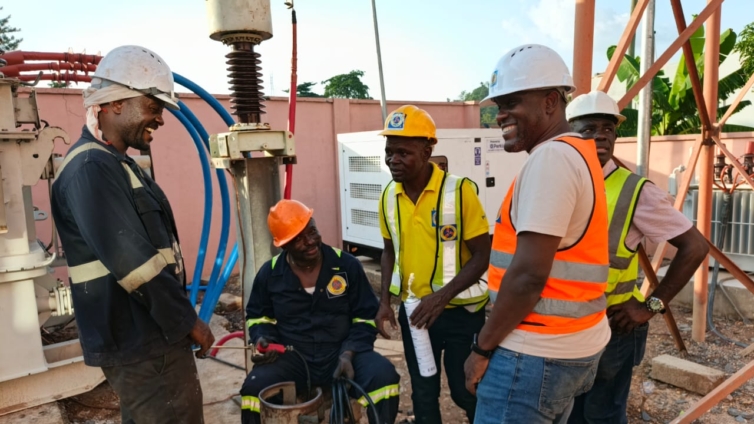
Ashanti Power Stability has moved to the center of public debate after recent outages in parts of the region triggered fears of a return to widespread load shedding. The Electricity Company of Ghana has pushed back strongly against those concerns, insisting that the disruptions were isolated technical faults rather than a sign of deeper generation shortages.
The reassurance comes at a sensitive time. Memories of prolonged power crises continue to shape consumer confidence and business planning. By emphasizing Ashanti Power Stability, ECG is seeking to calm anxiety and reinforce the message that current supply challenges are temporary and localized.
Why Ashanti Power Stability Matters
Ashanti Power Stability matters because reliable electricity is foundational to economic performance and household welfare. The region is one of Ghana’s key commercial centers, hosting manufacturing firms, service providers, and a growing urban population. Even brief disruptions can ripple across productivity and daily life.
Officials point to expanded generation capacity as evidence that Ashanti Power Stability is not under systemic threat. The commissioning of the AKSA Energy Plant’s first phase has added significant megawatts to the grid, with further increases expected upon completion of the second phase. In addition, the Ameri power plant continues to supply substantial output, reinforcing the region’s contribution to national electricity capacity.
These additions strengthen the argument that the recent outages stemmed from technical faults such as cable failures, transformer issues, or third-party interference rather than insufficient generation.
The debate over Ashanti Power Stability highlights an important distinction between generation capacity and distribution reliability. Ghana may have adequate power generation on paper, but localized transmission and distribution challenges can still disrupt supply.
For policymakers, this underscores the need to invest not only in new plants but also in grid modernization and maintenance. A stable energy system depends on the strength of cables, substations, and transformers as much as on megawatt output.
Business Implications of Ashanti Power Stability
For businesses in the Ashanti Region, the power stability is critical for operational continuity. Manufacturing firms rely on uninterrupted power to maintain production schedules. Service industries, from banking to telecommunications, depend on stable electricity to function efficiently.
When outages occur, companies often turn to backup generators, increasing operating costs due to fuel expenses and maintenance. Smaller enterprises may struggle to absorb these additional costs, affecting profitability and competitiveness.
ECG’s assurance of Ashanti Power Stability therefore provides a measure of relief. If disruptions are indeed isolated and promptly resolved, businesses can plan with greater certainty. Confidence in stable electricity supply also influences investment decisions, particularly in energy-intensive sectors.
Household Impact and Public Confidence
For households, Ashanti Power Stability directly affects quality of life. Electricity powers refrigeration, lighting, internet connectivity, and home-based businesses. Even short interruptions can disrupt education, healthcare routines, and household budgeting.
The psychological dimension is equally important. The term associated with past power crises carries strong emotional weight. By affirming Ashanti Power Stability, ECG aims to prevent panic and speculation that could erode public trust.
However, residents remain sensitive to repeated outages, even if localized. Prompt communication and rapid response to reported faults will be key to sustaining confidence.
Energy Expansion and Regional Growth
The emphasis on Ashanti Power Stability aligns with broader energy sector reforms aimed at supporting regional growth. Additional generation capacity from projects such as AKSA and the continued output from Ameri signal a strategic effort to position the Ashanti Region as a reliable energy hub.
Improved power reliability can stimulate industrial expansion, attract new investors, and support digital transformation. Energy availability often serves as a benchmark for economic readiness, particularly for export-oriented industries.
Challenges Ahead
Despite reassurances about Ashanti Power Stability, infrastructure resilience remains a concern. Population growth, urban expansion, and rising electricity demand place pressure on distribution networks. Without consistent upgrades and preventive maintenance, technical faults may recur.
Moreover, transparent reporting of system performance will be essential. Clear data on generation, transmission losses, and outage frequency can strengthen accountability and informed public discourse.
Ashanti Power Stability has become a focal point following recent outages, but officials maintain that there is no return to systemic load shedding. Expanded generation capacity and swift repairs to technical faults underpin the claim that supply remains fundamentally secure.
For businesses, stable electricity underpins productivity and cost control. For households, it ensures daily convenience and economic participation. Sustaining Ashanti Power Stability will require continued investment in infrastructure, effective maintenance, and transparent communication.
Ultimately, the region’s economic momentum depends on turning short-term assurances into long-term reliability.