

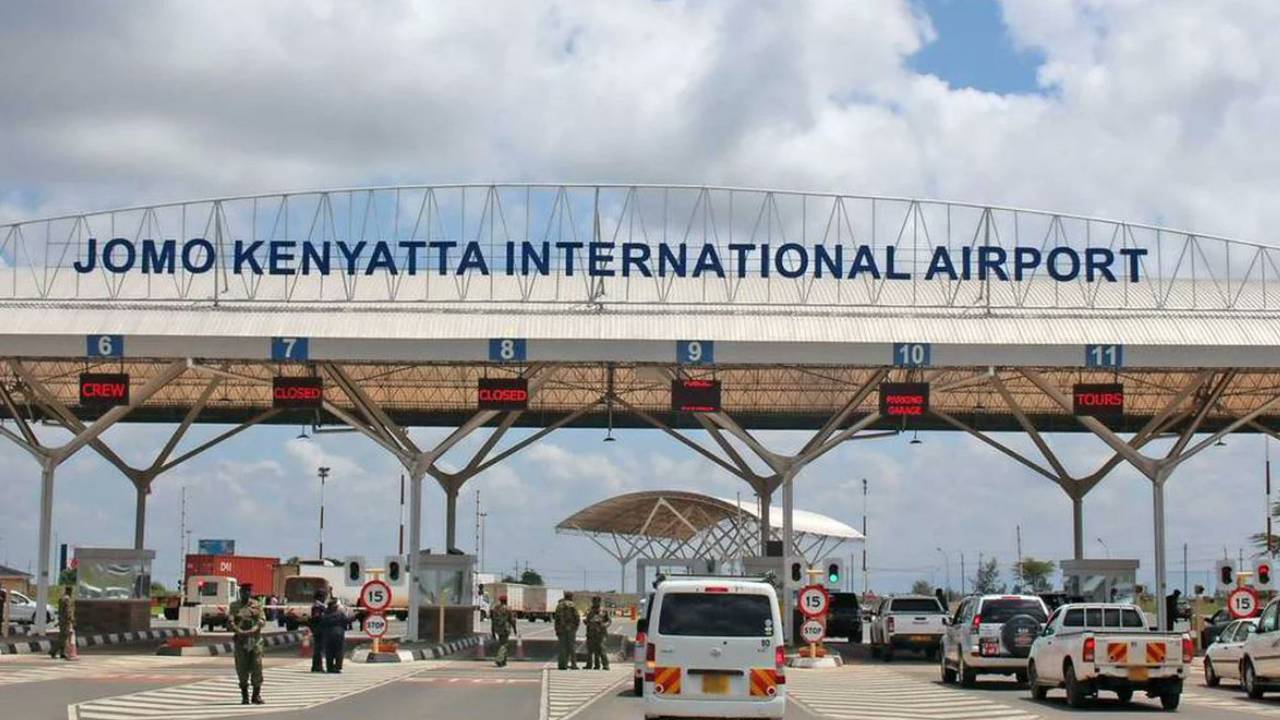
The Government of Kenya has unveiled ambitious plans to expand Jomo Kenyatta International Airport JKIA the country’s main aviation gateway in a strategic effort to boost regional competitiveness, accommodate surging passenger and cargo traffic, and position Nairobi as a premier aviation hub in East and Central Africa. The expansion comes amid rising demand for air travel, pressure from rapidly modernising competing hubs, and growing recognition of the pivotal role air transport plays in economic growth, trade and tourism.
Kenya’s airport development blueprint centres on the implementation of an Integrated Master Plan for JKIA, prepared by the Kenya Airports Authority KAA. The plan aims to address capacity constraints at the airport, which has consistently exceeded its design limits in recent years, and forecast a robust growth trajectory for both passenger and cargo traffic. Current JKIA facilities were originally designed to handle around 8 million passengers annually, but recent figures show that annual throughput has already surpassed this threshold, with about 8.6 million in 2024 and 8.8 million in 2025. Continued annual growth of roughly one million passengers a year has pushed the airport to the limits of its infrastructure, making expansion a national urgency.

At the core of the Master Plan is a major terminal expansion, set to be rolled out in phases. The first phase will introduce a new terminal complex with a capacity of 10 million passengers per year, followed by a second phase adding 5 million, bringing the airport’s ultimate capacity to 15 million passengers annually. In addition to passenger facilities, the plan proposes construction of a new runway by 2029, designed to boost airfield capacity and increase aircraft movements from approximately 14 per hour to 63 per hour, significantly enhancing JKIA’s operational efficiency and global connectivity.
The airport’s expansion is also expected to include modernised landside infrastructure, improved access roads and circulation systems, and upgraded support services. The phased approach will allow the existing terminals to remain operational while the new infrastructure is constructed, ensuring continuity of services and minimising disruptions to passengers and airlines.
Kenya’s leadership says the project goes beyond simply increasing capacity it represents a strategic investment in national economic competitiveness. President William Ruto has repeatedly emphasised the importance of modernising JKIA as a key component of the country’s broader development agenda. He has framed the expansion as part of a vision for Kenya to anchor itself as a regional hub for trade, tourism and investment, leveraging the country’s strategic geographical location at the crossroads of Africa, Europe and Asia. This ambition aligns with national development frameworks such as Vision 2030, which underscores infrastructure modernization as essential for sustained economic transformation.
Industry analysts say that enhanced infrastructure at JKIA will help attract more international airlines, expand route networks, and stimulate ancillary aviation-related business activities, including logistics, hospitality and retail. Cargo capacity improvements are especially significant for Kenya’s role in air freight, a critical component of the export economy that supports the shipment of perishable goods such as flowers, fruits, and vegetables to global markets. Enhancements in air cargo infrastructure including cold chain and freight handling systems are expected to further cement Nairobi’s position as a logistics hub for the region.
However, the journey toward expansion has not been without challenges. Kenya previously explored partnerships with private investors including a high profile but ultimately cancelled deal with India’s Adani Group which was intended to provide private capital for a new terminal and runway. The deal was abandoned following legal and political controversies, prompting the government to seek alternative financing mechanisms, including support from international development banks and potential securitised bonds backed by fuel levies. These funding strategies aim to preserve public ownership while delivering the necessary capital for infrastructure delivery.
Stakeholder consultations have also been an important part of the planning process. The KAA recently presented the Master Plan to the Kenya Aviation Workers Union KAWU, reaffirming a commitment to inclusive planning and highlighting the potential for job creation and operational improvements that will benefit airport workers as well as passengers and airlines.

The expansion of JKIA comes at a time when regional competition in African aviation is intensifying. Airports in Addis Ababa and Kigali have undergone significant upgrades in recent years, while countries such as Ethiopia and Rwanda pursue ambitious aviation strategies that include larger runways, world class terminals, and expanded international connectivity. Kenya’s expansion seeks to ensure that Nairobi remains competitive within this dynamic environment.
In addition to enhancing Nairobi’s air transport infrastructure, investments in other airports such as Kisumu International Airport which is receiving a new air traffic control tower and modern facilities reflect a broader national push to modernise Kenya’s aviation capacity and reinforce its status as a regional travel and logistics hub.
Overall, the JKIA expansion is more than an infrastructure project; it is a strategic endeavour designed to support Kenya’s economic ambitions, improve regional connectivity, and provide a more efficient, competitive and future ready aviation sector that meets the demands of a rapidly evolving global travel landscape.