

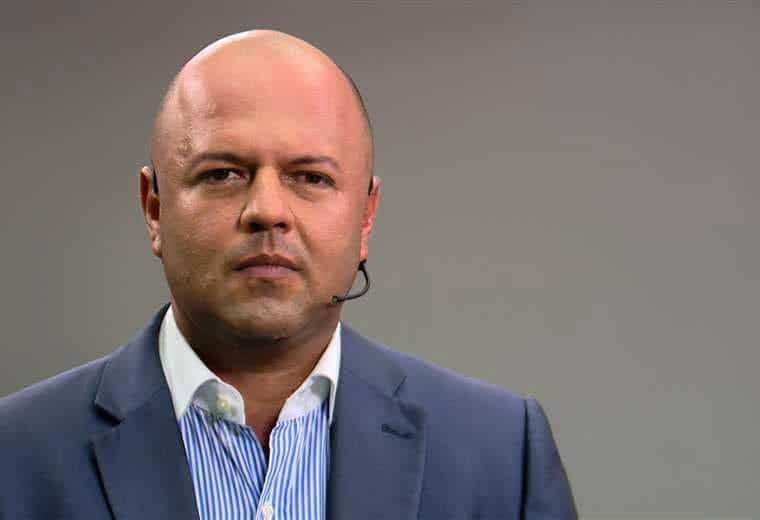
Costa Rica is facing renewed concerns over press freedom and journalist safety following the fatal shooting of journalist Camilo Rodriguez, whose death marks the first known killing of a journalist in the country in 25 years.
Rodriguez, 51, was shot dead on Monday, November 16, 2026, while travelling along a major highway in Santo Domingo de Heredia, near the capital, San Jose. Authorities say the attack occurred at approximately 3:20 p.m. local time as traffic moved along the busy road.
The journalist had gained public attention for publishing allegations involving suspected drug traffickers and politicians, particularly through his social media platforms. Corrections Policy
His death has consequently raised questions about whether his public commentary and reporting on organised crime may have contributed to the circumstances surrounding the attack.
According to reports, Rodriguez was attacked amid heavy traffic on a highway on the outskirts of San Jose. The Costa Rican Red Cross confirmed the incident, while authorities subsequently began investigations into the circumstances surrounding his death.
The killing represents a significant development for Costa Rica, a country historically regarded as one of Central America’s more peaceful and politically stable democracies.
Authorities investigate possible motive
Costa Rica’s Attorney General, Carlo Diaz, confirmed that investigators had identified several bullet impacts at the crime scene.

He also described the circumstances as resembling a possible contract killing, although he did not provide evidence establishing who ordered the attack or identify any suspects.
Diaz said Rodriguez was known for publicly identifying individuals he alleged had connections to drug trafficking networks. Ownership & Funding
The Attorney General further disclosed that the journalist had previously reported receiving threats but had declined offers of protection.
Authorities are expected to examine his previous publications, reported threats and professional activities as part of the investigation.
However, investigators have not established a definitive motive, and any connection between his reporting and the killing remains unconfirmed.
Diaz has pledged that the authorities will pursue those responsible and ensure that the case receives the necessary attention.
The investigation will be particularly important in determining whether the attack was specifically intended to silence Rodriguez because of his public allegations or whether other factors were involved.
President condemns killing
Costa Rican President Laura Fernandez has strongly condemned the murder, describing it as an attack on freedom of expression and an unacceptable development in a democratic society.

In a video message responding to the incident, Fernandez expressed anger over the killing and stressed that the content of a journalist’s communications should never justify violence against them. Editorial Standards
Her response reflects growing concerns about the ability of journalists, commentators and other media professionals to investigate sensitive subjects without facing intimidation or physical harm.
The President’s condemnation also places pressure on law enforcement agencies to conduct a transparent investigation and ensure that those involved are brought before the law.
For Costa Rica, the incident is particularly troubling because of the country’s longstanding reputation for democratic institutions, civil liberties and relative political stability.
A troubling return to journalist killings after 25 years
Rodriguez’s murder is the first known killing of a journalist in Costa Rica since July 2001, when radio producer Parmenio Medina was shot dead.

Medina was known for his investigative and critical radio programme, through which he discussed corruption and other issues involving influential individuals and institutions.
His killing shocked the country and became an important reference point in discussions about journalist safety and accountability.
The fact that Rodriguez was murdered in the same general area as Medina has brought renewed attention to the historical significance of the latest attack. Editorial Ethics & Independence
The 25 year period without a known journalist killing had helped reinforce Costa Rica’s reputation as a relatively safe environment for media professionals.
Rodriguez’s death, however, raises fresh questions about whether organised criminal activity is changing the risks faced by journalists working in the country.
Growing drug violence raises security concerns
The killing also comes amid increasing concerns about organised crime and drug trafficking in Costa Rica.

International trafficking networks have increasingly used the country as an important location for the movement and distribution of illegal drugs, contributing to growing security challenges.
According to figures cited in international reporting, Costa Rica’s homicide rate doubled between 2013 and 2023, before easing slightly in subsequent years.
The growing influence of organised criminal groups has placed additional pressure on security agencies and raised concerns about the safety of individuals who publicly discuss criminal networks and their alleged connections with influential figures. Newscard
Journalists investigating organised crime can face particular risks because their work may expose sensitive information, challenge powerful interests and attract unwanted attention.
Nevertheless, Rodriguez’s killing should not automatically be attributed to his journalism until investigators establish the facts.
Press freedom and accountability at the centre of investigation
The death of Rodriguez has renewed the importance of protecting journalists and ensuring that attacks against media professionals are investigated thoroughly.
Press freedom is essential to democratic accountability because it allows journalists to question public officials, examine allegations of wrongdoing and provide citizens with information needed to make informed decisions.
When journalists face threats or violence, the consequences extend beyond the individuals directly affected. Such attacks can discourage other reporters from investigating sensitive subjects and weaken public access to independent information. Privacy Policy & Terms
The authorities therefore face the responsibility of identifying the perpetrators, establishing the motive and determining whether anyone commissioned or facilitated the attack.
The investigation must also consider the threats Rodriguez reportedly received before his death and whether appropriate measures could have prevented the incident.
As Costa Rica confronts the growing challenges associated with organised crime, the killing of Camilo Rodriguez serves as a serious reminder of the importance of protecting freedom of expression.
The outcome of the investigation will be closely watched by journalists, media organisations and press freedom advocates seeking answers about a murder that has shocked the country after 25 years without a known killing of a journalist.