

Ghana’s health authorities have intensified surveillance and response measures following an increase in suspected yellow fever cases, with the latest situation highlighting renewed concerns about the disease in parts of the country.
The development comes as health officials work to strengthen early detection, laboratory testing and community-level monitoring amid confirmed yellow fever infections in the Upper West Region.
Recent reports from the Sissala East Municipality indicate that at least seven people have died following a confirmed yellow fever outbreak, with children and young people reportedly among those affected. Corrections Policy
The municipal health authorities are monitoring the situation and working to identify suspected cases and prevent further transmission.
The wider surveillance effort comes against the backdrop of Ghana’s status as a yellow fever-endemic country.
Health authorities have historically maintained surveillance systems for the disease because outbreaks can occur when susceptible populations are exposed to infected mosquitoes.
Yellow fever is a viral disease transmitted mainly through the bite of infected mosquitoes. It is not spread directly from one person to another through ordinary contact, meaning that controlling mosquito transmission remains a central part of the public health response.
The current situation in the Upper West Region has attracted particular attention following reports of multiple sudden deaths in communities within Sissala East.
The Municipal Health Directorate previously investigated reports involving members of the Fulbe community after about 21 deaths were described as mysterious.

Four blood samples were initially sent to the national laboratory in Accra for analysis, with one testing positive for yellow fever.
Additional samples were subsequently collected to determine whether other illnesses or yellow fever were responsible for the reported deaths.
The confirmation prompted health authorities to begin a reactive response, including training clinicians to recognise and manage suspected yellow fever cases. Editorial Ethics & Independence
Officials have also been considering whether vaccination should be conducted across affected communities or targeted at particular groups, depending on the outcome of further assessments.
The latest reports indicate that suspected cases have also been identified in areas outside Sissala East, including Sissala West and Wa West.
This has increased the importance of surveillance across neighbouring communities rather than limiting the response to a single municipality.
Member of Parliament for Sissala East, Mohammed Issah Bataglia, has called for urgent action after reporting that seven people had died in the municipality.

He said health authorities had received 18 samples for laboratory testing, with two testing positive for yellow fever, and noted that about 59 per cent of those affected were between zero and 15 years old.
The reports have raised concern because children and young people appear to be among those affected.
However, health authorities are continuing investigations, and individual suspected cases should not be treated as confirmed infections until laboratory and clinical assessments establish the diagnosis.
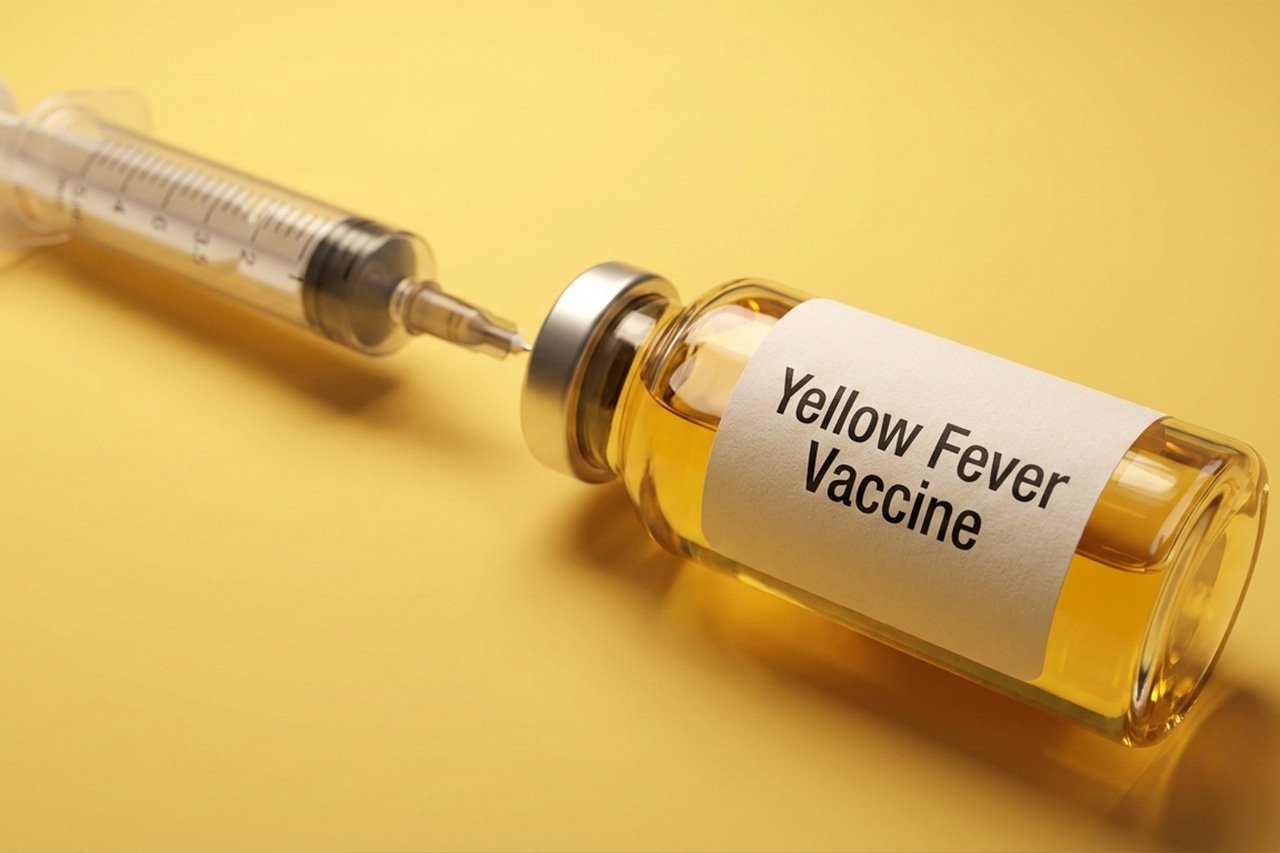
The situation also underscores the importance of vaccination. Yellow fever vaccination is one of the most effective ways of preventing the disease, while measures that reduce mosquito bites can provide additional protection.
Residents in affected and neighbouring communities have been advised to sleep under insecticide-treated mosquito nets and take steps to reduce exposure to mosquitoes.
People should also seek medical attention promptly if they develop symptoms that could be associated with yellow fever.
Early symptoms can include fever, headache, muscle pain, nausea, vomiting and weakness. Severe illness can progress to jaundice, bleeding, organ failure and shock.
Because several other diseases can produce similar symptoms, laboratory testing and professional medical assessment are important before a diagnosis is made.
Ghana’s health system has also been strengthening its broader disease surveillance and emergency-response capacity. Editorial Standards
In September, the Ghana Health Service conducted training involving public health emergency teams, while Africa CDC has supported Ghana with equipment, communications infrastructure, workforce development and systems designed to improve the coordination of responses to health emergencies.
Earlier in 2026, the Oti Region also reported three confirmed yellow fever cases out of 43 suspected cases recorded as of June 22.
Regional disease surveillance officials said intensified surveillance was being carried out to support early detection, reporting and management of infectious diseases.
These developments demonstrate why surveillance remains essential even when the number of confirmed cases is relatively small.
Identifying suspected infections early allows health authorities to investigate possible transmission, strengthen clinical preparedness and determine whether targeted vaccination or other interventions are necessary.
For residents, health officials have urged calm and cooperation with public health teams.
Communities can support the response by reporting unusual illnesses and deaths promptly, participating in vaccination activities when officially organised and following advice aimed at reducing mosquito exposure.
The reported suspected cases therefore represent a public health warning rather than a reason for widespread panic.
The priority is to ensure that suspected infections are investigated quickly, confirmed cases receive appropriate medical attention and transmission is contained before it becomes more widespread.
As Ghana continues to monitor the situation, sustained surveillance, reliable laboratory testing, public education and strong vaccination coverage will remain central to preventing yellow fever from causing further loss of life. Newscard
The latest developments in the Upper West Region serve as a reminder that infectious disease outbreaks can emerge rapidly, particularly in communities where vaccination coverage may be uneven.
A coordinated response involving health authorities, community leaders, healthcare workers and residents will therefore be critical to protecting vulnerable populations and preventing further spread.