

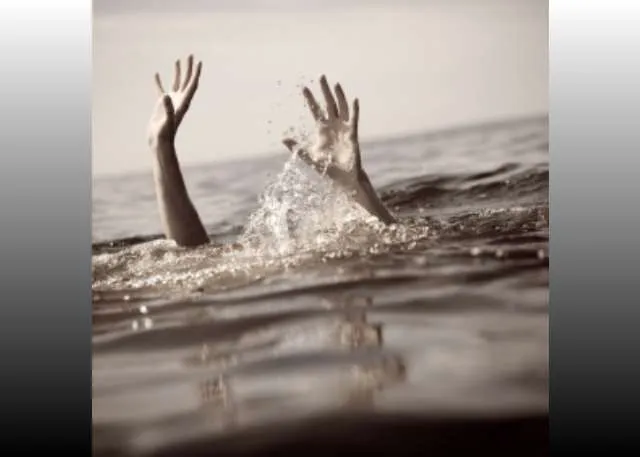
An 11-year-old boy has drowned in the River Owabi at Akropong in the Atwima Nwabiagya North District of the Ashanti Region after a group of boys reportedly went swimming in the river.
The incident occurred on Monday, October 5, 2026, when about seven boys went to the river, according to residents in the community. Corrections Policy
Three of the boys reportedly encountered difficulties in the water after they were swept by the current. Community members who responded to the incident were able to rescue two of the children alive, but efforts to save the third boy were unsuccessful.
The boy remained under the water, prompting a search involving community members, traditional authorities and security personnel.
According to the Assembly Member for the area, Andrews Kofi Nti, attempts to locate the child on Monday were unsuccessful.

Mr Kofi Nti said traditional authorities and security officials joined the search after news of the drowning reached the community. However, the search did not immediately produce results.
The search resumed on Tuesday, when the boy’s body was eventually located.
The Assembly Member explained that traditional rites were performed before the body was found. The police subsequently released the body to the family for burial.
The incident has left residents concerned about the dangers children may face when swimming in rivers and other natural water bodies, particularly where water currents can change quickly and there may be no lifeguards or safety equipment available.
River Owabi has previously been associated with drowning incidents, highlighting the potential dangers around sections of the waterway.
In October 2024, five people died after a saloon car reportedly veered off the Dabaa-Akropong road and plunged into the Owabi River.
The victims included a driver, two children and two other passengers. Rescue operations at the time involved personnel from the National Disaster Management Organisation, the Ghana National Fire Service and the Police Service, alongside local divers.
The latest incident, however, occurred in a different circumstance, with the boy reportedly swimming with other children rather than being involved in a road accident.
The tragedy has renewed concerns about children accessing rivers without adequate supervision or knowledge of water safety.
Rivers, streams, dams and other natural water bodies can appear relatively calm from the shore but may contain strong underwater currents, sudden changes in depth, slippery surfaces and other hazards. Children who are not confident swimmers can be particularly vulnerable when they enter such waters.
Parents and guardians are therefore encouraged to ensure that children do not swim in rivers or other potentially dangerous water bodies without appropriate adult supervision and adequate safety precautions.
Communities can also play an important role by identifying hazardous swimming locations and educating children about the risks associated with entering unfamiliar waters.
Where possible, children should be encouraged to use designated swimming facilities where trained supervision and appropriate safety measures are available. Editorial Ethics & Independence
The circumstances surrounding the latest drowning have not been reported as involving any criminal activity, and there is no indication that anyone has been accused of wrongdoing in connection with the incident.
The focus for the community now remains on supporting the bereaved family and preventing similar tragedies.
Drowning incidents can have devastating consequences for families, particularly when children are involved. Beyond the immediate loss of life, such incidents can leave parents, relatives and communities struggling to understand how an ordinary recreational activity could end in tragedy.
The incident also demonstrates the importance of timely emergency response. When someone is struggling in water, an untrained attempt to rescue the person can put additional lives at risk. Communities should therefore consider basic water-safety education, including how to seek assistance and use safe rescue techniques.
For children, the safest approach is to avoid entering rivers and other natural water bodies without proper supervision and suitable swimming conditions.
The death at River Owabi serves as a painful reminder that natural water bodies can pose serious risks, even when children may regard them as places for recreation. Editorial Standards
As the family prepares to bury the deceased child, residents of Akropong and surrounding communities are being reminded to take greater care around rivers and discourage children from swimming in potentially dangerous areas.
The tragedy has once again highlighted the need for sustained public education on drowning prevention, stronger parental supervision and community efforts to keep children away from unsafe swimming locations.
Preventing another loss will require vigilance from families, community leaders and the children themselves. A moment of recreation should never become a permanent tragedy for a family.