

Cocoa Capital PLC, a wholly owned subsidiary of the Ghana Cocoa Board (COCOBOD), plans to raise up to GH¢16.3 billion through the domestic debt capital market to finance cocoa purchases for the 2026/27 season and refinance existing COCOBOD debt. Editorial Ethics & Independence
The financing initiative, announced on September 25, 2026, forms part of the government’s cocoa sector reset agenda, which seeks to address immediate funding requirements while establishing a more sustainable financing structure for the industry.
Under the programme, GH¢14 billion will be raised through commercial paper to provide short-term liquidity for cocoa purchases during the 2026/27 crop season.
The remaining GH¢2.3 billion is expected to be raised through medium- to long-term bond issuances to refinance existing COCOBOD legacy debt.
Cocoa Capital PLC outlined the financing arrangement in a circular issued on September 25, explaining that the programme is intended to address the cocoa sector’s immediate funding needs while improving its longer-term financial position.
The company has secured approval from the Securities and Exchange Commission (SEC) to raise the funds through Ghana’s domestic debt capital market.
The GH¢14 billion commercial paper component is intended to support cocoa purchases throughout the season. Commercial paper is a short-term debt instrument that allows an issuer to raise funds from investors to meet immediate financing requirements.

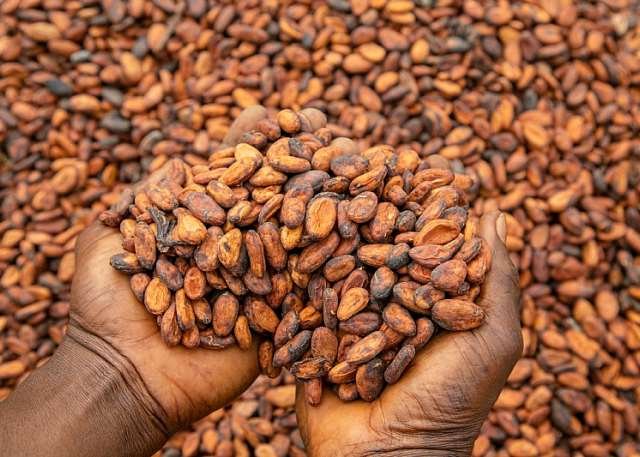
The cocoa purchasing system requires substantial financial resources because Licensed Buying Companies (LBCs) purchase cocoa beans from farmers and deliver them through the established supply chain.
Timely access to funding is essential to ensuring that these purchases can continue and that payments can be made as required.
Cocoa Capital PLC said the commercial paper would be issued in tranches over the coming weeks. The timing and size of each issuance will be determined by cocoa purchasing requirements and prevailing market conditions. Editorial Standards
This phased approach is intended to align the release of funds with the sector’s actual financing needs. However, the GH¢14 billion remains a target under the programme, and the amount raised will depend on the individual issuances.
The remaining GH¢2.3 billion will be mobilised through medium- to long-term bond issuances to refinance existing COCOBOD legacy debt.
Refinancing involves replacing existing debt with new borrowing, potentially under different repayment periods and financing arrangements.
The bond component serves a different purpose from the commercial paper. While the short term instruments will support cocoa purchases during the current season, the longer-term bonds will focus on addressing existing financial obligations.
Together, the two financing components are intended to address immediate liquidity pressures and improve the structure of COCOBOD’s outstanding debt.
The effectiveness of this approach will depend on the terms of the new borrowing, the cost of servicing the securities and the organisation’s ability to meet its repayment obligations.
An important feature of the programme is the arrangement for repaying investors. According to Cocoa Capital PLC, repayment obligations will be supported by receivables from selected, executed cocoa forward sales contracts assigned to the company. Corrections Policy
Forward sales contracts are agreements to sell cocoa at a future date under agreed terms. The receivables associated with selected contracts are expected to provide a source of funds for servicing the debt issued under the programme.
Proceeds from the contracts will flow through designated ring-fenced accounts held with appointed account banks.
These accounts are intended to keep the relevant funds separate and ensure that collections are applied in accordance with the programme’s payment waterfall, which determines the order in which funds are distributed towards specified obligations.
The arrangement provides a defined process for collecting cocoa sale proceeds and directing them towards repayment.
However, the availability of funds for repayment will depend on the collection of the assigned receivables and compliance with the programme’s terms. The structure should not be interpreted as a guarantee of returns to investors.
The financing announcement follows COCOBOD’s decision to increase the producer price of cocoa for the 2026/27 season from GH¢41,392 to GH¢42,400 per tonne, effective Friday, September 25. The new rate translates into GH¢2,650 for a 64-kilogramme bag of cocoa.

The producer price determines how much farmers receive for their cocoa beans and remains a significant factor in the incomes of households that depend on cocoa farming.
Ensuring sufficient financing for purchases is therefore important to implementing the revised pricing arrangement and maintaining the flow of cocoa through the supply chain.
The programme also places Ghana’s domestic debt capital market at the centre of the cocoa sector’s financing strategy.
By issuing commercial paper and bonds locally, Cocoa Capital PLC aims to mobilise funds from domestic investors for approved cocoa-related purposes. Newscard
The success of the initiative will depend on investor demand, prevailing market conditions, the timing of the securities’ issuance and the performance of the cocoa sales contracts supporting repayment.
Further details, including the terms and amounts of individual issuances, are expected to be announced as the programme progresses.
The GH¢16.3 billion initiative represents a major financing plan for Ghana’s cocoa sector, combining funding for seasonal cocoa purchases with a separate allocation to refinance existing debt.
Its implementation will be closely tied to the industry’s ability to purchase cocoa on time, manage its financial obligations and maintain a reliable flow of revenue from cocoa sales.