

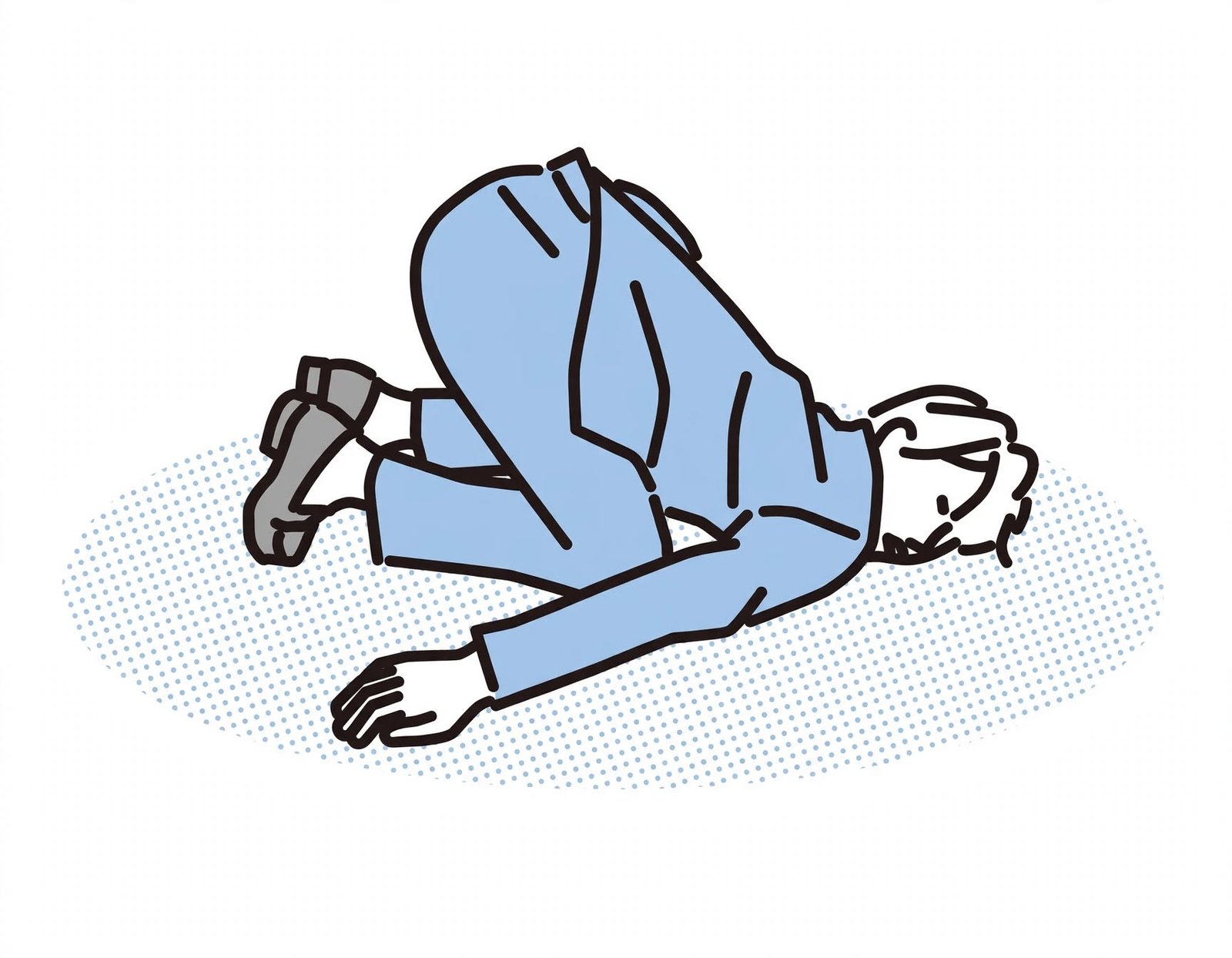
A physician specialist has cautioned the public against pouring water on people who suddenly collapse, saying the practice does not help and could delay or interfere with appropriate first-aid measures.
Dr Ahmed Lukman-Kinan, a physician specialist at the Ghana Armed Forces Critical Care and Emergency Hospital, also warned against forcing water, other fluids or substances into the mouth of an unconscious person.
According to him, such actions can be dangerous because a person who is unconscious may not be able to properly swallow or protect their airway.

“It’s not going to help in any way,” Dr Lukman-Kinan said, urging people to stop relying on the practice when responding to someone who has collapsed.
Do not force anything into their mouth
The physician specialist further advised against putting objects or fluids into the mouth of a collapsed person in an attempt to revive them.
He explained that when an unconscious person is given fluids, the substance could enter the lungs instead of the stomach. This process, known as aspiration, can lead to serious complications.

He therefore stressed that attempts to make an unconscious person drink or swallow something could potentially worsen the situation instead of helping them regain consciousness.
Improper movement can cause further injury
Dr Lukman-Kinan also raised concerns about how collapsed individuals are sometimes transported to health facilities, particularly in cases where a neck or spinal injury may be involved.
He recalled instances where people rushed collapsed individuals to hospital without properly supporting the neck, allowing the head and neck to move or dangle during transportation.

According to him, such movement could aggravate an existing injury to the cervical spine and potentially lead to further complications.
He noted that damage to the cervical spine can interfere with breathing and, in severe cases, become life-threatening.
Call for better first-aid awareness
The physician specialist called for increased public education on basic first aid to help people respond appropriately when emergencies occur before trained medical personnel arrive.
He also advocated for properly equipped ambulances staffed by trained personnel to improve emergency response in communities.

His advice underscores the need for the public to understand both the appropriate steps to take and the actions to avoid when someone suddenly collapses.
Instead of pouring water on the person or forcing anything into their mouth, people should seek appropriate emergency assistance and avoid interventions that could expose the individual to further harm.
By: Prince Martey-Sogar.