


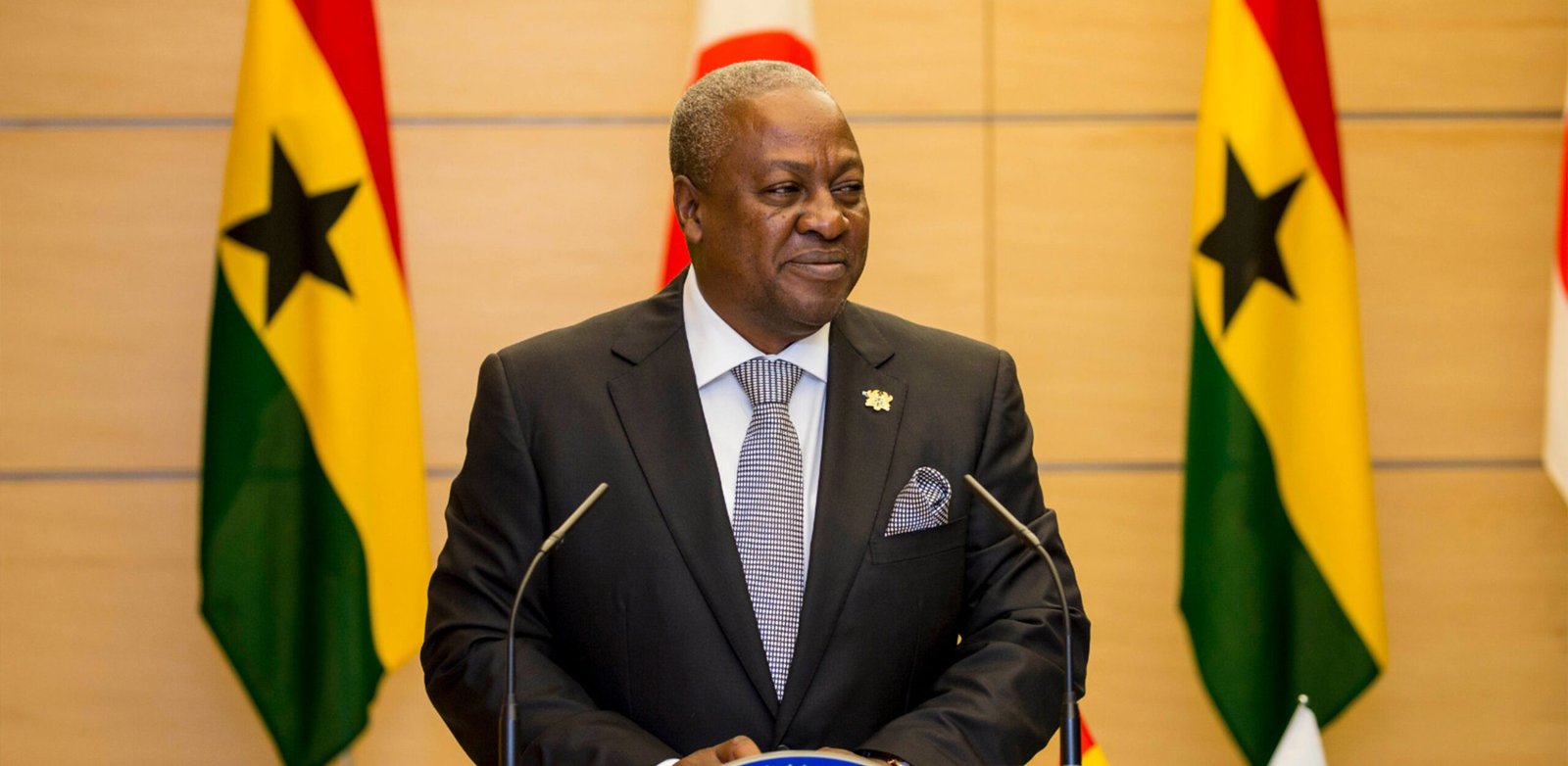
President John Dramani Mahama has summoned key security, aviation and port-sector institutions to a high-level meeting to review Ghana’s border-control systems and strengthen measures to combat narcotics trafficking. Editorial Standards
The meeting, scheduled for Thursday, September 17, 2026, at Jubilee House, follows the reported seizure by French customs authorities of nearly 3.9 tonnes of cocaine with an estimated street value of US$261 million from a container shipped from Ghana.
The seizure has renewed attention on Ghana’s role in international cargo transportation and raised questions about the effectiveness of systems designed to detect and prevent the movement of illicit substances through the country’s ports and other entry points.
According to an invitation issued by the Secretary to the President, Callistus Mahama, and sighted by Insightghana news on Monday, September 14, the meeting will examine gaps in existing border-control systems and identify practical measures to prevent the trafficking of narcotic drugs and other illicit substances.
The participating institutions have been directed to be represented by their heads, accompanied by no more than one relevant technical officer. They are also expected to provide brief assessments of existing security gaps and propose measures to improve intelligence sharing, surveillance, screening and joint enforcement operations.
The meeting is expected to bring together institutions responsible for customs administration, port operations, maritime security, national intelligence, policing, narcotics control and aviation.
The broad representation reflects the fact that preventing international drug trafficking requires cooperation across several agencies rather than relying on a single institution.
Institutions expected to participate include the Ministries of Finance and Foreign Affairs; Ghana Ports and Harbours Authority; the Customs Division of the Ghana Revenue Authority; Ghana Shippers’ Authority; operators of terminal scanners; Ghana Link Network Services Ltd; Ghana Maritime Authority; Ghana Navy; Meridian Port Services Ltd; National Intelligence Bureau; the Ghana Police Service’s Criminal Investigations Department and Interpol; Narcotics Control Commission; and Ghana Airports Company Limited. Newscard
The inclusion of port operators, scanning-service providers and security agencies is particularly significant because effective cargo control depends on several stages working together.
These include the availability of reliable shipment information, risk assessment, physical and technological screening, intelligence sharing and the ability to investigate suspicious consignments.
The meeting also follows concerns raised by the Minority in Parliament over Ghana’s handling of major international drug seizures. The Ranking Member on Parliament’s Defence and Interior Committee, Rev. John Ntim Fordjour, has questioned the lack of what he described as high-profile arrests and prosecutions in connection with such cases.
The concerns place additional pressure on the government and law-enforcement agencies to demonstrate that major drug-trafficking investigations are being pursued thoroughly and that suspected facilitators, financiers and networks are being identified where evidence supports such action.
Meanwhile, the Narcotics Control Commission (NACOC) has announced the arrest of three suspects allegedly linked to the “Bolle Jos” cocaine-trafficking network following the seizure of a cocaine shipment by French customs authorities.
In a statement dated September 14, 2026, NACOC said the suspects were in its custody and assisting investigators as the Commission examined their alleged roles in the reported cocaine-trafficking operation. The arrests represent a separate law-enforcement development connected to the wider concerns surrounding international narcotics trafficking and Ghana’s alleged links to such networks.
NACOC said the arrests reaffirmed its resolve that Ghana would not be a safe haven, transit point or operational base for international drug-trafficking organisations.

The Commission added that it would continue working with domestic and international law-enforcement partners to disrupt the people, finances and infrastructure sustaining the illicit drug trade. Corrections Policy
The Commission also stressed the importance of safeguarding the rights and legal protections of all persons under investigation. The suspects’ arrests do not constitute proof of guilt, and any charges or findings must follow the appropriate legal process.
For Ghana, the reported French seizure highlights the importance of strengthening controls over international shipments while maintaining efficient legitimate trade.
The country’s ports are central to imports, exports and regional commerce, making it necessary for security measures to be effective without unnecessarily disrupting lawful business activity.
The September 17 meeting could therefore serve as an opportunity to assess whether current screening and intelligence systems are adequately integrated and whether agencies have the resources, information and operational coordination required to respond to suspected trafficking.
Among the key issues likely to attract attention are the detection of high-risk cargo, the monitoring of suspicious shipping activity, the exchange of intelligence with foreign partners and the prosecution of cases supported by credible evidence.
The government’s response will also be closely watched amid calls for greater transparency and accountability in the handling of major narcotics cases.
Any measures announced after the meeting could influence public confidence in Ghana’s border-security framework and its commitment to preventing the country from being exploited by international criminal organisations.
As the French seizure and NACOC investigation continue, the President’s decision to convene the relevant institutions signals an effort to address the issue through a coordinated national response.
The effectiveness of that response will ultimately depend on the implementation of practical reforms, stronger inter-agency cooperation and sustained enforcement against the networks involved in the illicit drug trade.