


Ghana and other African countries must adopt a more compassionate and comprehensive approach to alcohol dependence by prioritising prevention, early identification, treatment and recovery support, Dr Daniel Osei Yeboah has said.
According to the public health advocate, alcohol use is deeply embedded in many social activities across Ghana and Africa, including celebrations, funerals, business gatherings and entertainment. However, harmful drinking continues to create serious challenges for individuals, families and communities.
Dr Yeboah argued that alcohol dependence should not be viewed as a sign of poor character but as a treatable health condition influenced by several factors, including mental health, family history, trauma, social pressure, affordability, availability and repeated exposure to alcohol.

“My central argument is simple. Alcohol dependence is not evidence of weak character. It is a treatable health condition shaped by the interaction of the brain, mental health, family history, trauma, social pressure, affordability, availability and repeated exposure.”
He noted that the consequences of harmful alcohol use extend beyond the individual drinker, contributing to health problems, family conflict, violence, financial difficulties, workplace challenges, road accidents and disrupted education.
The World Health Organization (WHO) reported in 2024 that alcohol was linked to approximately 2.6 million deaths globally in 2019, representing 4.7 per cent of all deaths. The report also estimated that about 400 million people aged 15 and above were living with alcohol use disorders, including around 209 million people with alcohol dependence.

Dr Yeboah explained that alcohol-related harm exists on a spectrum, with some people progressing from social drinking to repeated heavy consumption and eventually losing control over their alcohol use.
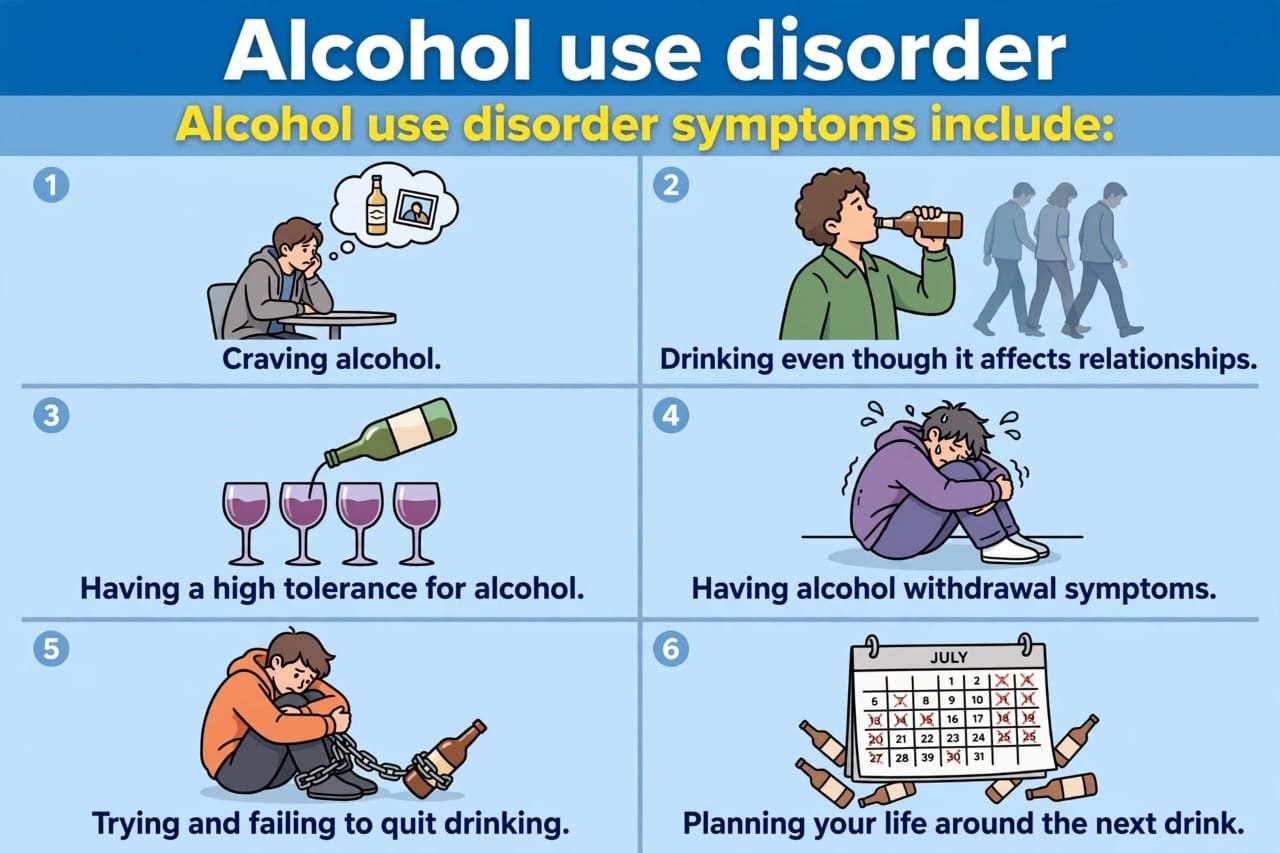
He identified warning signs including drinking more than intended, repeatedly failing to cut down, strong cravings, neglecting work or family responsibilities, continuing to drink despite problems, needing increasing amounts of alcohol to achieve the same effect and experiencing withdrawal symptoms after stopping.
He also cautioned that people who drink heavily on a daily basis should not abruptly stop without medical advice because alcohol withdrawal can become dangerous, particularly for individuals with a history of seizures or severe withdrawal symptoms.

The public health advocate identified several factors that could increase vulnerability to alcohol-related problems in Ghana and other African countries. These include unemployment, insecurity, rapid urbanisation, aggressive alcohol marketing, easy access to alcohol, social expectations around masculinity, untreated depression and trauma, weak age verification and limited access to specialised treatment services outside major cities.
He also raised concerns about informally produced alcohol, noting that home-brewed and illicit drinks may contain uncertain levels of alcohol or harmful contaminants.
Dr Yeboah further highlighted the vulnerability of young people and men to alcohol-related harm. He said men may sometimes turn to alcohol as a way of dealing with emotional pain because of social expectations that discourage them from openly expressing fear, grief or distress.

“What looks like stubbornness may be depression; what looks like nightlife may be loneliness; what looks like confidence may be dependence.”
For young people, he called for prevention to begin before alcohol consumption becomes established. He cited a 2023 Ghanaian study involving school-going adolescents in the Greater Accra Region, which reported that 22.2 per cent of participants were currently consuming alcohol while 27.9 per cent had consumed alcohol at some point. He stressed that the figures should not be interpreted as a national prevalence rate but should serve as a warning to families and schools.
Dr Yeboah recommended a coordinated response involving government, health facilities, schools, employers, faith and traditional leaders, the media, the alcohol industry and families.
He said Ghana should strengthen enforcement of alcohol regulations, improve screening and treatment services, restrict harmful advertising, strengthen drink-driving measures and use appropriate pricing and taxation policies.

Ghana already has a National Alcohol Policy, but he said the major challenge remains effective implementation, including clear institutional responsibility, reliable data, fair enforcement and accessible treatment services.
On treatment, Dr Yeboah said recovery from alcohol dependence is possible and may involve counselling, behavioural therapy, family therapy, peer support, treatment for depression or trauma, medically supervised withdrawal and medication prescribed by qualified clinicians.
He stressed that relapse should not automatically be considered a treatment failure, but rather an opportunity to reassess and strengthen the recovery plan.
He called on national leaders to move beyond condemnation and ensure that people struggling with alcohol dependence can access confidential screening, referrals and treatment.

“Ghana and Africa cannot arrest or preach their way out of alcohol dependence.”
Dr Yeboah said every district should have information on where people can obtain confidential screening and referral services, while schools, workplaces and emergency departments should have systems for identifying harmful alcohol use and connecting affected individuals to appropriate care.
He concluded that alcohol-related harm can be prevented, alcohol dependence can be treated and recovery requires sustained public support.
“Alcohol-related harm is preventable, dependence is treatable and recovery deserves public investment.”
He urged society to protect children from early exposure to alcohol, support adults before their drinking develops into a crisis and help affected individuals return to their families and communities without stigma.
By: Daniel Osei Yeboah