

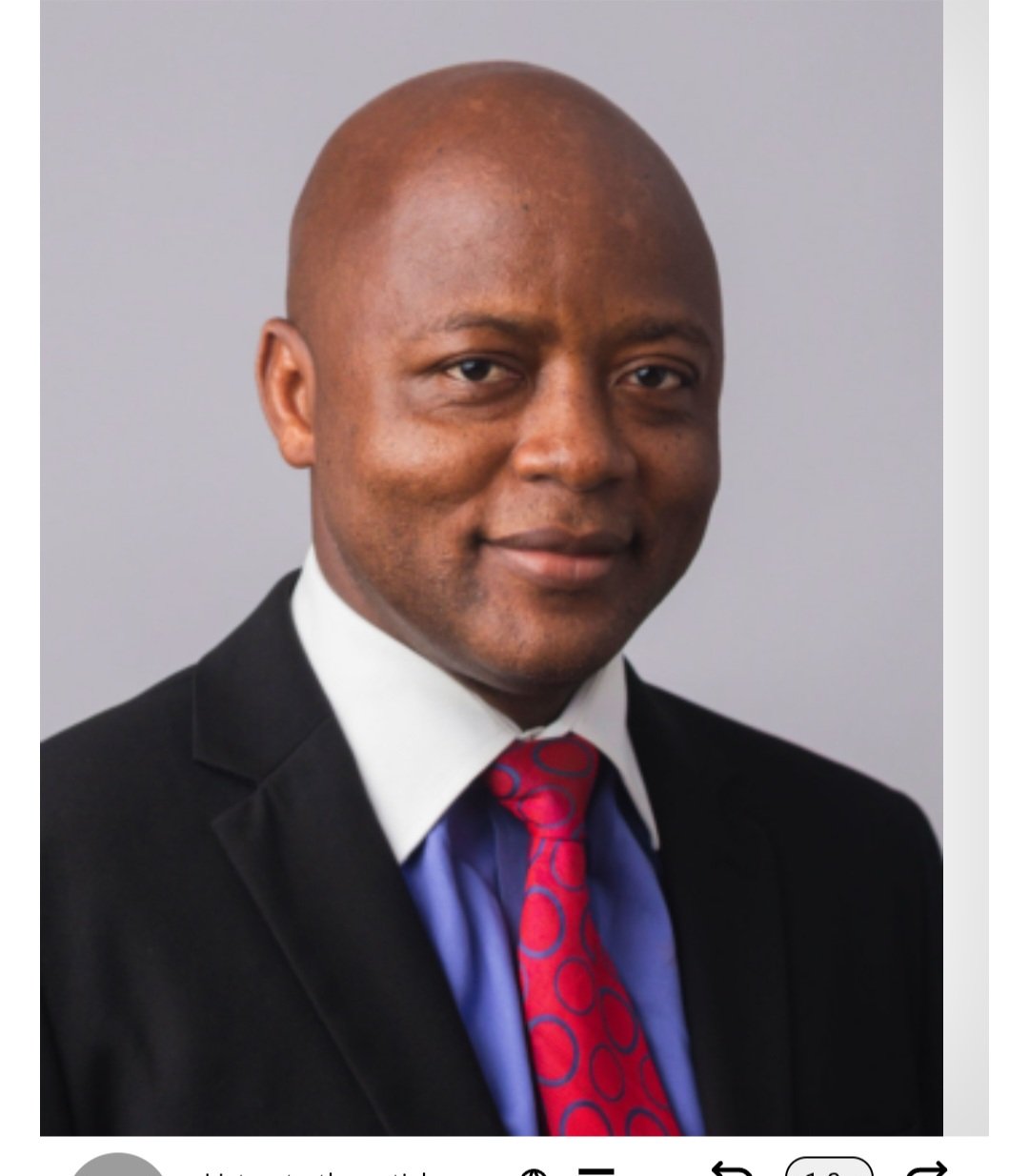
Accra, September 8, 2026, President John Dramani Mahama has appointed Dr Abdul-Baasit Aziz-Bamba as the Acting Director-General of the newly established Value for Money Office, marking a major step towards operationalising the institution tasked with strengthening oversight of public expenditure in Ghana.
The appointment was announced on Tuesday, September 8, 2026, in a statement issued by the Spokesperson to the President and Minister for Government Communications, Felix Kwakye Ofosu.
According to the statement, the appointment was made in accordance with Article 195(1) of the 1992 Constitution and Section 14(1) of the Value for Money Office Act, 2026 (Act 1172).
Dr Aziz-Bamba will serve in an acting capacity pending the receipt of the constitutionally required advice of the Governing Board, in consultation with the Public Services Commission (PSC).
The appointment comes as government moves to establish the institutional structures necessary for the Value for Money Office to begin carrying out its mandate of scrutinising public expenditure and promoting efficiency in the use of state resources.
Who is Dr Aziz-Bamba?
Dr Abdul-Baasit Aziz-Bamba is a Harvard-trained lawyer who, prior to his appointment, served as a Senior Lecturer at the University of Ghana School of Law.

His professional background combines legal practice, academic work and public-policy expertise.
According to information released following his appointment, Dr Aziz-Bamba has more than 16 years of experience in legal practice and consulting. He is also the founder and Managing Partner of Azizbamba & Associates.
His appointment places him at the head of an institution that is expected to play a central role in government efforts to improve accountability and efficiency in public spending.
Mandate of the Value for Money Office
The Value for Money Office was established under the Value for Money Office Act, 2026 (Act 1172).
The institution is mandated to ensure that public expenditure provides value and serves the public interest.
Its responsibilities include strengthening scrutiny of government expenditure, helping to curb waste and ensuring that public funds committed to government programmes and projects produce tangible benefits for citizens.
The government has positioned the Office as an important part of efforts to improve accountability in the management of public resources.
The Information Services Department said the appointment represents an important step towards making the Office fully operational and strengthening mechanisms for scrutinising government spending.
The establishment of the Office comes amid longstanding concerns over the management of public funds, including allegations of waste, inflated project costs, abandoned projects and expenditure that does not produce commensurate benefits for taxpayers.
The new institution is therefore expected to provide an additional layer of scrutiny over how government resources are allocated and spent.
Its work is expected to focus on whether public expenditure delivers the intended outcomes and whether the resources committed to government programmes represent reasonable value.
The broader objective is to ensure that every cedi spent by the state contributes meaningfully to national development.
Appointment follows passage of new law
The Value for Money Office is a relatively new institution, having been established following the passage of the Value for Money Office Act, 2026.
President Mahama subsequently assented to the legislation, creating the legal framework for the Office and its operations.
The appointment of an Acting Director-General now provides the institution with a senior executive responsible for leading the process of establishing its operational structures and implementing its mandate.
The move is consequently expected to accelerate the transition from legislation to the actual functioning of the Office.
Governance arrangements
Although Dr Aziz-Bamba has been appointed to lead the Office on an acting basis, his appointment is not yet the final substantive appointment to the position.
The Presidency said he would remain in an acting capacity pending the required advice of the Governing Board, which is to be given in consultation with the Public Services Commission.
This arrangement follows the constitutional and statutory requirements governing appointments to public offices.
The process is expected to provide the institutional framework within which the substantive leadership of the Value for Money Office will eventually be determined.
The new Office is expected to become an important institution in Ghana’s public financial management system.
By examining whether government expenditure represents value for money, the institution could play a role in identifying inefficient spending and improving the effectiveness of public programmes.
It is also expected to strengthen accountability by ensuring that government agencies and institutions can demonstrate the benefits associated with the resources allocated to them.
For taxpayers, the ultimate objective is to ensure that public funds are not only spent lawfully but are also used efficiently and produce measurable public benefits.
The appointment of Dr Aziz-Bamba therefore comes at a time when government is seeking stronger mechanisms for monitoring expenditure and reducing financial waste.
The Presidency described the appointment as an important step towards operationalising the Office and advancing government’s commitment to ensuring that public expenditure delivers tangible benefits to Ghanaians.
With the Acting Director-General now appointed, attention is expected to shift towards establishing the operational systems, staffing structures and procedures required for the Value for Money Office to fully exercise its statutory mandate.
Dr Aziz-Bamba’s immediate task will consequently include helping to translate the institution’s legal mandate into an effective framework for scrutinising government spending and promoting greater efficiency in the use of public resources.
SEIDU HUBEIDATU