

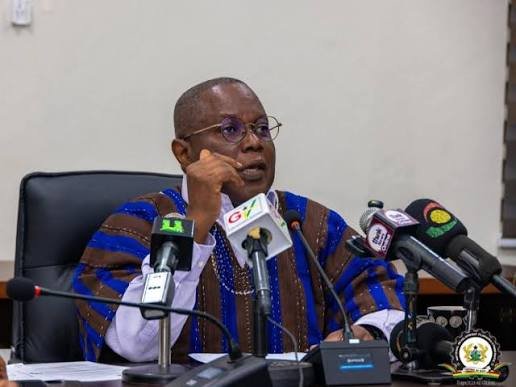
The Chairman of the National Development Planning Commission Dr Nii Moi Thompson says that seventy‑two percent of Ghanaian youth have thought about leaving the country. Newscard
Many Ghanaian youth want to leave because they look for jobs and better money.Dr Thompson made these remarks at a TVET Stakeholders Engagement Dialogue in Accra.
He spoke about the problems of youth unemployment the need for better skills training and the importance of creating stronger job opportunities for Ghanaian youth.
The NDPC Chairman says that the migration intentions of youth must warn policymakers and other stakeholders about the economic pressures that Ghanaian youth face.
He said that the situation shows Ghanaian youth need jobs and better skills training. Ghana must invest more in skills development so that Ghanaian youth feel more confident about their future at home.
According to an Afrobarometer survey seventy‑two percent of Ghanaian youth want to leave the country. More than half of those youth say they want to leave in search of jobs ” Dr Thompson said.He argued that growth of the economy will not solve the problems of Ghanaian youth unless that growth creates real opportunities for them.
“We have disappointed youth. We can no longer grow the economy. We must grow hope and growing hope means creating jobs for youth ” he said. Editorial Ethics & Independence
Dr Thompson stressed that Ghana must give youth reasons to stay at home and help build the country instead of making Ghanaian youth feel they must look elsewhere for opportunities.
“We must give youth a reason to stay and to build this country for themselves and for the future. The situation is very serious I must say. These are numbers ” he added.
His comments put youth migration into a larger discussion about jobs, learning and why skills training matters for Ghanas economy.For Ghanaian youth finding a job depends on the quality of the skills they learn.
Technical and Vocational Education and Training or TVET is now a part of talks about how Ghana can give Ghanaian youth practical skills that match what employers need.
A stronger TVET system could help close the gap between learning and jobs. It can give youth technical skills that they can use in jobs or to start their own businesses.
Training alone will not stop Ghanaian youth from wanting to leave. Ghana must also have an economy that can use workers and give them good jobs, fair pay and chances to grow.
The seventy‑two percent number raises questions about how economic conditions affect Ghanaian youth. When Ghanaian youth think jobs are better abroad they may want to leave especially if they have skills that employers abroad want.

Fixing the problem needs teamwork from government, businesses, schools and others. Growing sectors, helping businesses make jobs and making sure training matches real job needs can be part of a larger plan.
It is also important to know the difference between thinking about leaving and actually leaving. A Ghanaian youth may think about leaving. May not leave. Money, family, jobs and other things can change that decision.
Still Dr Thompson’s comments show how important it is to know why Ghanaian youth think about leaving and what can help them stay.The TVET Stakeholders Engagement Dialogue gave a chance for stakeholders to look at how TVET can help solve some of these problems.For Ghana the problem is not about stopping Ghanaian youth from leaving. Editorial Standards
It is about making a place where Ghanaian youth can see a future whether through jobs starting businesses, technical work or other useful paths.Dr Thompson said Ghana must grow hope the way it grows the economy.
Doing that will need more, than speeches. It will need investment in skills, jobs, private business growth and chances that let Ghanaian youth turn their skills into lasting work.
The survey number has made the national discussion more urgent. It asks how Ghana can build an economy where Ghanaian youth see staying, working and building a future at home as an rewarding choice.