

The National Disaster Management Organisation (NADMO) reports that 30 people have died in mining‑related incidents across mining districts in Ghana’s Eastern Region since the beginning of 2026. Corrections Policy
This disturbing figure has renewed concerns about safety practices in mining communities with ongoing illegal mining activities and the dangers of abandoned or poorly secured mining pits.
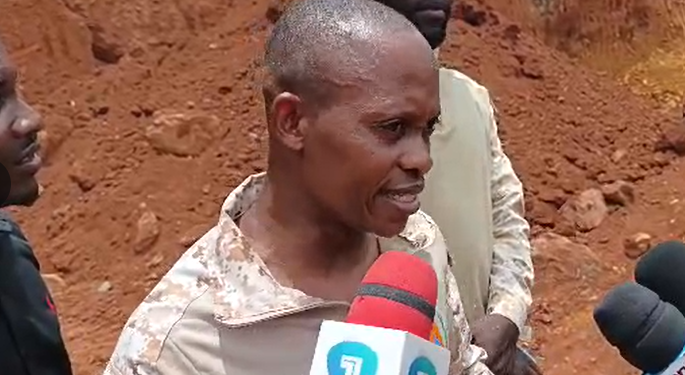
Deputy Eastern Regional NADMO Director Emmanuel Konja Tullah, in charge of Technical and Disaster Risk Reduction disclosed the figure while briefing the media at the scene of a mining pit collapse at Asaman Tamfoe, where seven people reportedly lost their lives.
According to Emmanuel Konja Tullah, the latest incident is part of a pattern of mining‑related accidents recorded across the region this year.
Emmanuel Konja Tullah said the recurring fatalities demonstrate the need for mining operators concession owners and other stakeholders to take greater responsibility for safety at mining sites.
NADMO said: “They had a series of galamsey‑related deaths numbering not than 30 within the region in 2026. The concession owners must strengthen their oversight activities ensuring the coordination and security measures so these incidents do not recur.
NADMO is going to partner with concession owners and other agencies as NADMO intensifies this education.
”The Asaman Tamfoe incident has brought renewed attention to the risks associated with abandoned and unsecured mining pits. Such pits can remain hidden or difficult to identify, creating hazards for residents, workers and others who may enter mining areas.

Emmanuel Konja Tullah stressed that concession owners have a responsibility to monitor activities on their concessions and ensure that abandoned mining pits are properly secured or covered.
Emmanuel Konja Tullah urged mining operators to strengthen their oversight and ensure that safety protocols are not treated as measures.
The NADMO official said concession owners must improve coordination with authorities and communities to identify potential hazards before they result in injuries or deaths.Mining remains a part of Ghana’s economy providing employment and contributing to national revenue.
However the sector has also faced safety and environmental challenges especially in areas affected by illegal small‑scale mining commonly referred to as galamsey.
The latest figures from the Eastern Region highlight the cost of unsafe mining practices and reinforce calls for stronger enforcement of existing safety regulations. Editorial Standards
According to NADMO preventing deaths will require cooperation between mining companies, concession owners, local authorities, security agencies, traditional leaders and residents.
Emmanuel Konja Tullah said NADMO is prepared to work with agencies and stakeholders to intensify public education in mining communities across the region.
The organisation’s efforts will focus on encouraging communities to recognise and avoid mining sites while promoting compliance with safety requirements.
Public education is particularly important in communities where abandoned pits may be located close to areas, farms, roads or other places regularly accessed by residents.
Residents may also be exposed to risks when mining activities take place without supervision or when old mining sites are left unattended after operations cease.
For concession owners the responsibility extends beyond mining operations. Properly securing abandoned pits and maintaining monitoring systems can help prevent people from accidentally falling into dangerous excavations.
The latest incident at Asaman Tamfoe, which claimed seven lives demonstrates how quickly unsafe mining conditions can turn into disasters.
NADMO’s call for oversight therefore comes as authorities seek to reduce mining‑related fatalities and improve safety standards across the Eastern Region. Editorial Ethics & Independence
Emmanuel Konja Tullah reiterated that the organisation would continue working with concession owners and other institutions to strengthen awareness and encourage compliance with safety measures.
Emmanuel Konja Tullah also urged mining stakeholders to take steps rather than waiting for accidents to occur before responding to safety concerns.
The reported 30 mining‑related deaths since January represent a public safety concern and place renewed pressure on authorities to ensure that existing regulations are effectively enforced.

While enforcement remains sustained education and cooperation with mining communities will also be necessary to change behaviours and reduce exposure to dangerous mining sites.
As investigations and assessments continue into the Asaman Tamfoe collapse the incident has again highlighted the need for greater accountability and safety, in mining operations.
NADMO says NADMO will continue engaging mining communities and relevant institutions as part of efforts to prevent loss of life and promote safer practices across the Eastern Region.