

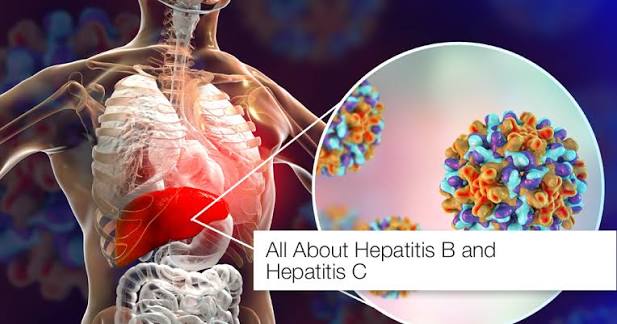
An estimated four million Ghanaians are living with hepatitis B and C, while deaths linked to the disease continue to increase, raising fresh concerns about the country’s fight against one of its most serious public health challenges.

Health experts say the disease remains a major threat despite improvements in childhood vaccination, with thousands of infected people unaware of their condition until serious liver complications develop. They are calling for expanded screening, improved access to treatment and stronger prevention measures to help Ghana meet the World Health Organization’s target of eliminating viral hepatitis by 2030.
The figures were disclosed by Dr. John Gerald A. Adiiboka, Programme Manager of the National Hepatitis Control Programme, during the launch of World Hepatitis Day in Accra, where a technical working group to support hepatitis elimination was inaugurated. He said about three million Ghanaians are living with hepatitis B, while another 500,000 are estimated to have hepatitis C.

According to Dr. Adiiboka, hepatitis B-related deaths are expected to rise to nearly 16,000 in 2025, while deaths linked to hepatitis C are also projected to increase. He noted that Ghana remains among the countries contributing significantly to the global burden of hepatitis B, making the disease a national public health priority.
He explained that viral hepatitis is often described as a “silent disease” because many infected people show no symptoms until they develop severe liver damage, liver cirrhosis or liver cancer. As a result, many patients seek medical attention only when treatment options have become limited.

Dr. Adiiboka added that mother-to-child transmission accounts for the vast majority of hepatitis B infections in Ghana, making birth-dose vaccination a critical prevention measure. Although the country has exceeded the World Health Organization’s target for infant hepatitis B vaccination coverage, diagnosis and treatment rates remain extremely low, with only a small proportion of infected people aware of their status or receiving care.
Health professionals have therefore urged the public to take advantage of screening services, especially those in high-risk groups, stressing that early detection and treatment can prevent severe complications and save lives. They also called for greater public awareness to reduce stigma and encourage more people to know their hepatitis status.

The renewed call comes as Ghana intensifies efforts to eliminate viral hepatitis by 2030 through expanded testing, vaccination and treatment programmes, while encouraging stronger collaboration among government agencies, health professionals and development partners.
BY GBEDEVI DORCAS SELORM