


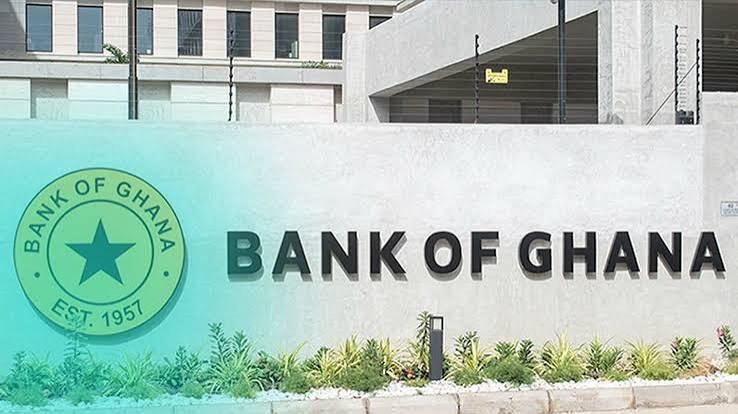
The Bank of Ghana (BoG) has signalled the start of regulatory enforcement against unlicensed mobile loan applications and Digital Credit Services Providers (DCSPs) that failed to meet the June 30, 2026, deadline to regularise their operations.
In a public notice issued on July 20, 2026, the central bank announced that the compliance window provided under Notice No. BG-GOV-SEC-2025-35 had officially expired, warning that operators who remain unlicensed could face sanctions under existing financial laws and regulations.
The move marks a significant step in the BoG’s efforts to tighten oversight of Ghana’s rapidly expanding digital lending industry and protect consumers from unregulated financial services.

“All entities that have not complied with the said Notice may be subject to regulatory action in accordance with applicable laws and regulations,” the central bank stated.
The BoG also urged the public to exercise caution when seeking digital loans, advising borrowers to transact only with providers that have been duly licensed by the central bank.
To improve transparency, the Bank announced that it will soon publish and regularly update an official list of licensed Digital Credit Services Providers on its website. It has also made available a set of Frequently Asked Questions (FAQs) outlining licensing requirements, procedures for verifying licensed operators, and the implications of dealing with unlicensed lenders.

The enforcement action follows mounting concerns over the conduct of some digital lending platforms operating outside the regulatory framework. Consumer complaints have highlighted issues including exorbitant interest rates, predatory lending practices, breaches of data privacy, and aggressive debt collection methods.
The Bank of Ghana has repeatedly expressed concern that the proliferation of unlicensed digital lenders poses significant risks to consumer protection, financial stability and confidence in Ghana’s financial system.
The current licensing regime stems from reforms introduced in August 2025, when the central bank formally designated digital credit services as a non-bank financial service. The decision brought the sector under the BoG’s direct regulatory oversight and made it mandatory for all digital lenders to obtain licences before operating as Digital Credit Services Providers.

The latest announcement indicates that the central bank is moving from the transition and compliance phase to active enforcement, underscoring its commitment to ensuring that all digital credit providers adhere to Ghana’s financial regulations.
Industry observers say the crackdown is expected to strengthen consumer confidence in digital lending by weeding out illegal operators while promoting responsible lending practices among licensed providers. Borrowers have been encouraged to verify the licensing status of any digital lender before taking out a loan to avoid falling victim to unauthorised operators.
Philbert Amiba Ayuusah.