Cabinet approves State Assets Protection Bill to tighten control over disposal of public property

0
38

The Government of Ghana has directed the Attorney General to draft a new State Assets Protection Bill aimed at strengthening the legal framework governing the management and disposal of public assets.

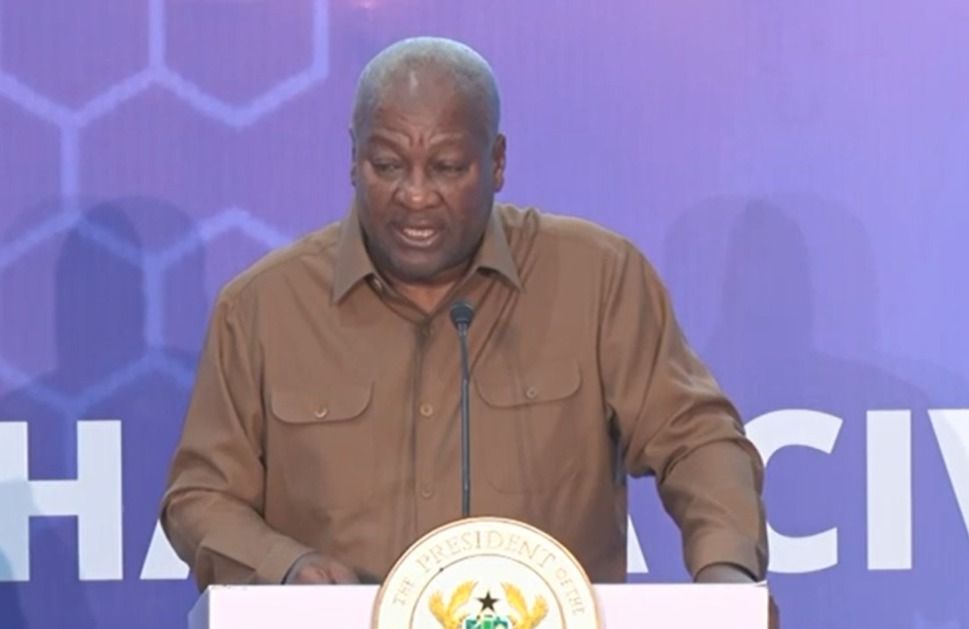
The decision, announced by President John Dramani Mahama, forms part of broader efforts by Cabinet to improve accountability, transparency, and oversight in the use of state-owned property across the country. The proposed law is expected to set clear guidelines on how government lands, buildings, factories, and other public assets can be sold, transferred, or leased.

According to the President, the move is intended to prevent arbitrary or poorly regulated disposal of state property by future governments and ensure that all transactions involving public assets follow strict legal and institutional procedures. He explained that the bill will establish conditions under which state assets can be handled, with stronger safeguards to protect national resources.

The directive was issued during engagements at the Ghana Civil Society Forum 2026, where the President also outlined other governance reforms approved by Cabinet, including the National Ethics and Anti Corruption Action Plan 2026 to 2030. Officials say both initiatives are part of a wider strategy to rebuild public trust in state institutions and promote responsible governance.

Government sources indicate that the State Assets Protection Bill will also complement existing efforts to strengthen oversight of public property management. In recent years, concerns have been raised about the sale and leasing of state lands and buildings, with critics arguing that weak controls have sometimes exposed public assets to undervaluation or improper disposal.

The new legislation is expected to introduce stricter approval processes, potentially requiring higher levels of authorisation before any significant state asset can be transferred or sold. It may also establish monitoring mechanisms to track the lifecycle of public assets and ensure transparency in valuation and transactions.

Policy analysts say the proposed law could become a key reform in Ghana’s public financial management system, particularly if it introduces parliamentary oversight or independent review structures for major asset transactions. Supporters argue that such measures are necessary to protect national wealth and ensure long term economic value from state property.

Cabinet approves State Assets Protection Bill to tighten control over disposal of public property

The Attorney General’s office is now expected to begin drafting the bill for submission to Cabinet and subsequently Parliament, where it will undergo further scrutiny and debate before possible passage into law.

The development comes at a time when the government is also pursuing broader anti corruption and governance reforms, signalling an intensified push to strengthen institutional accountability across the public sector.

If passed, the State Assets Protection Bill is expected to reshape how public property is managed in Ghana, creating a more structured and transparent system for safeguarding national assets.

Zimbabwe cabinet approves constitutional amendments to extend presidential term

Author

  • Daniel Ablordey

    Daniel Ablordey is a Business Analytics student at the University of Ghana Business School and an emerging strategist at the intersection of data, markets, and narrative. With a keen analytical mind and a passion for African business and economic trends, he is building a career focused on translating complex data-driven insights into accessible, decision-relevant stories that matter.

    As a writer and editor with Insight Ghana, African Business Insight, and The African Journal, Daniel delivers sharp, high-impact analysis on current affairs, business developments, and emerging trends across the continent. His work is defined by precision, clarity, and a deep commitment to responsible journalism — ensuring that every story he tells is not only accurate but meaningful to the audiences it serves.

    Beyond his editorial work, Daniel serves as an Ecobank Youth Ambassador, where he actively promotes financial inclusion, digital banking, and financial literacy among young Ghanaians. His leadership experience spans academic, professional, and faith-based institutions, where he has consistently driven initiatives centered on growth, structure, and long-term impact.

    Grounded in the principles of Pan-Africanism and service, Daniel brings a rare combination of analytical rigour and storytelling depth to his work. Whether unpacking market behavior, profiling emerging business leaders, or covering cultural shifts shaping the continent, he approaches every assignment with strategic intent and editorial integrity.

    His broader ambition is to contribute to Africa's transformation by shaping how data, business, and storytelling intersect — not just locally, but on a global stage.

Previous articleAttorney General opposes Wontumi’s bid to delay July 3 judgment in Samreboi mining case
Next articleTorkornoo asks Supreme Court to reconsider key rulings in removal dispute
Daniel Amenyo Ablordey
Daniel Ablordey is a Business Analytics student at the University of Ghana Business School and an emerging strategist at the intersection of data, markets, and narrative. With a keen analytical mind and a passion for African business and economic trends, he is building a career focused on translating complex data-driven insights into accessible, decision-relevant stories that matter.

As a writer and editor with Insight Ghana, African Business Insight, and The African Journal, Daniel delivers sharp, high-impact analysis on current affairs, business developments, and emerging trends across the continent. His work is defined by precision, clarity, and a deep commitment to responsible journalism — ensuring that every story he tells is not only accurate but meaningful to the audiences it serves.

Beyond his editorial work, Daniel serves as an Ecobank Youth Ambassador, where he actively promotes financial inclusion, digital banking, and financial literacy among young Ghanaians. His leadership experience spans academic, professional, and faith-based institutions, where he has consistently driven initiatives centered on growth, structure, and long-term impact.

Grounded in the principles of Pan-Africanism and service, Daniel brings a rare combination of analytical rigour and storytelling depth to his work. Whether unpacking market behavior, profiling emerging business leaders, or covering cultural shifts shaping the continent, he approaches every assignment with strategic intent and editorial integrity.

His broader ambition is to contribute to Africa's transformation by shaping how data, business, and storytelling intersect — not just locally, but on a global stage.