Zimbabwe cabinet approves constitutional amendments to extend presidential term

0
106

Zimbabwe’s cabinet has approved proposed constitutional amendments that could significantly reshape the country’s political landscape by extending the presidential term and transferring the power to elect the head of state from voters to parliament.

The ruling Zimbabwe African National Union–Patriotic Front (ZANU-PF) says the reforms are designed to promote political stability and ensure continuity in governance. According to government officials, the changes are intended to reduce frequent electoral cycles and provide a stable framework for long-term national development.

If passed, the amendments could allow President Emmerson Mnangagwa to remain in office beyond his current term, potentially extending his leadership until 2030. Mnangagwa, who first assumed office in 2017 following the removal of former President Robert Mugabe, secured re-election in 2023 for a second five-year term under the existing constitutional framework, which limits presidents to two terms.

Zimbabwe cabinet approves constitutional amendments to extend presidential term
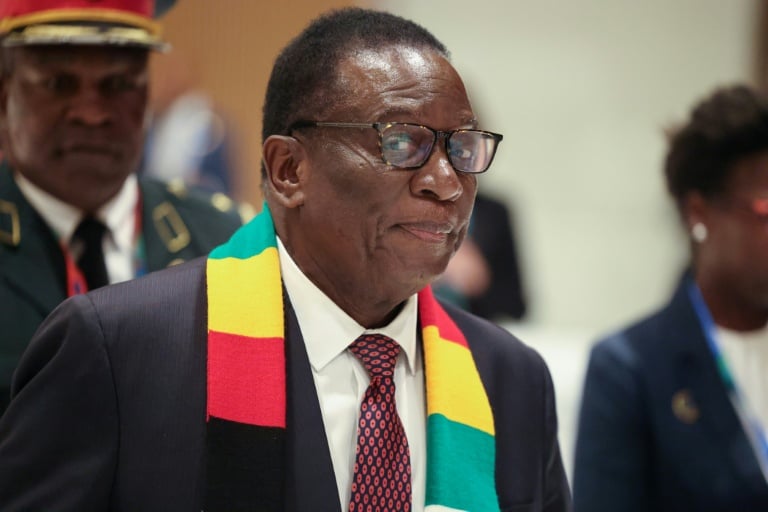
Emmerson Mnangagwa, the President of the Republic of Zimbabwe

Under the proposed changes, parliament would be granted the authority to elect the president, replacing the current system of direct popular vote. Supporters within ZANU-PF argue that such a model would streamline governance and reduce political tensions often associated with national elections.

However, opposition parties and civil society groups have raised concerns that the amendments could weaken democratic safeguards. Critics argue that removing direct voter participation in presidential elections would concentrate power within parliament, where ZANU-PF holds a dominant majority. They warn that the move risks undermining electoral accountability and eroding constitutional checks and balances established under the 2013 Constitution.

Legal analysts note that depending on the scope and classification of the amendments, the changes could require more than a parliamentary supermajority. If deemed a significant alteration to core constitutional provisions, the reforms may need to be subjected to a national referendum, giving citizens the final say.

Emmerson Mnangagwa, the President of the Republic of Zimbabwe

The proposed amendments will now be tabled before parliament for debate and possible approval in the coming months, setting the stage for what is likely to be a heated political contest over the future of Zimbabwe’s democratic framework.

Ghana cabinet approves dig once policy to accelerate digital infrastructure

Author

  • Daniel Ablordey

    Daniel Ablordey is a Business Analytics student at the University of Ghana Business School and an emerging strategist at the intersection of data, markets, and narrative. With a keen analytical mind and a passion for African business and economic trends, he is building a career focused on translating complex data-driven insights into accessible, decision-relevant stories that matter.

    As a writer and editor with Insight Ghana, African Business Insight, and The African Journal, Daniel delivers sharp, high-impact analysis on current affairs, business developments, and emerging trends across the continent. His work is defined by precision, clarity, and a deep commitment to responsible journalism — ensuring that every story he tells is not only accurate but meaningful to the audiences it serves.

    Beyond his editorial work, Daniel serves as an Ecobank Youth Ambassador, where he actively promotes financial inclusion, digital banking, and financial literacy among young Ghanaians. His leadership experience spans academic, professional, and faith-based institutions, where he has consistently driven initiatives centered on growth, structure, and long-term impact.

    Grounded in the principles of Pan-Africanism and service, Daniel brings a rare combination of analytical rigour and storytelling depth to his work. Whether unpacking market behavior, profiling emerging business leaders, or covering cultural shifts shaping the continent, he approaches every assignment with strategic intent and editorial integrity.

    His broader ambition is to contribute to Africa's transformation by shaping how data, business, and storytelling intersect — not just locally, but on a global stage.

Previous articleRoberto De Zerbi, Oliver Glasner or a return to Mauricio Pochettino? Where Spurs could turn after Thomas Frank’s sacking
Next articleNvidia $300 stock target: Can AI spending push shares 70% higher?
Daniel Amenyo Ablordey
Daniel Ablordey is a Business Analytics student at the University of Ghana Business School and an emerging strategist at the intersection of data, markets, and narrative. With a keen analytical mind and a passion for African business and economic trends, he is building a career focused on translating complex data-driven insights into accessible, decision-relevant stories that matter.

As a writer and editor with Insight Ghana, African Business Insight, and The African Journal, Daniel delivers sharp, high-impact analysis on current affairs, business developments, and emerging trends across the continent. His work is defined by precision, clarity, and a deep commitment to responsible journalism — ensuring that every story he tells is not only accurate but meaningful to the audiences it serves.

Beyond his editorial work, Daniel serves as an Ecobank Youth Ambassador, where he actively promotes financial inclusion, digital banking, and financial literacy among young Ghanaians. His leadership experience spans academic, professional, and faith-based institutions, where he has consistently driven initiatives centered on growth, structure, and long-term impact.

Grounded in the principles of Pan-Africanism and service, Daniel brings a rare combination of analytical rigour and storytelling depth to his work. Whether unpacking market behavior, profiling emerging business leaders, or covering cultural shifts shaping the continent, he approaches every assignment with strategic intent and editorial integrity.

His broader ambition is to contribute to Africa's transformation by shaping how data, business, and storytelling intersect — not just locally, but on a global stage.