

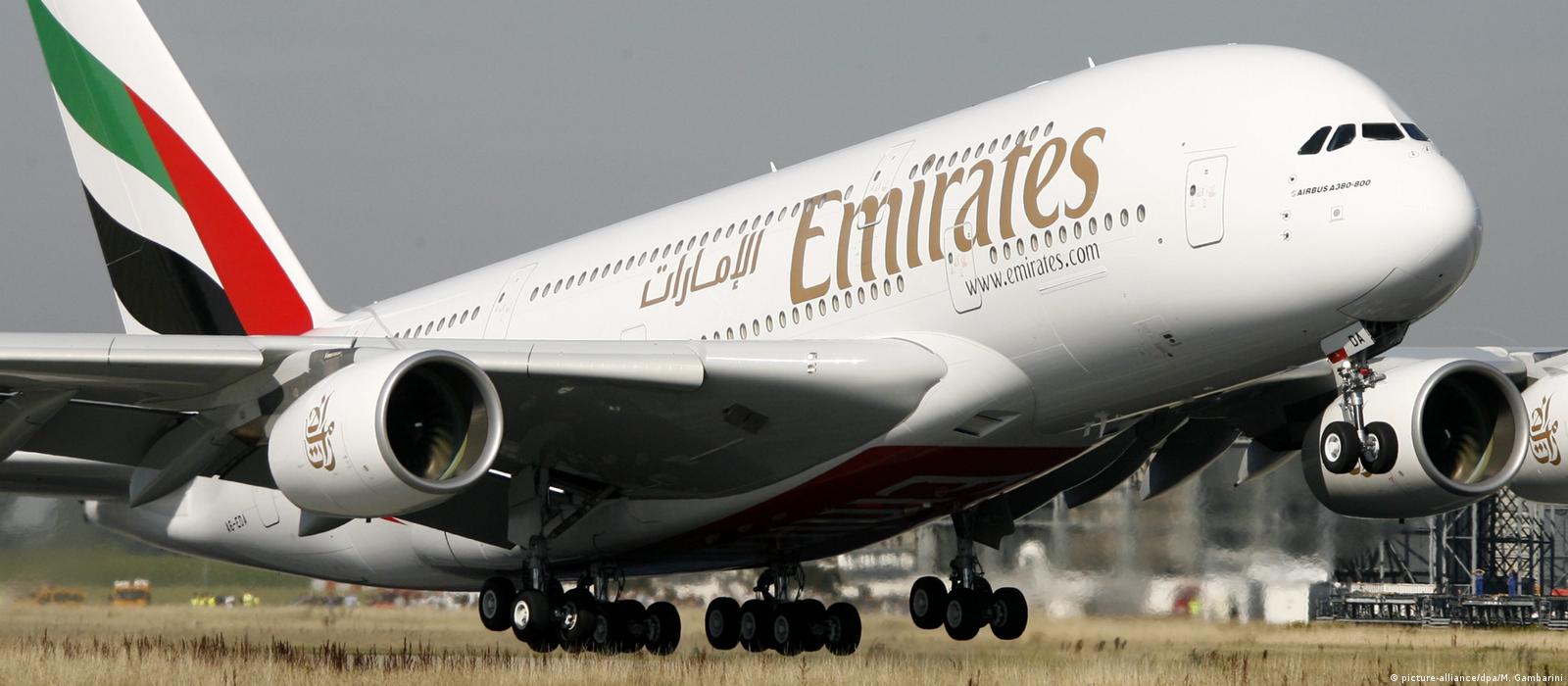
Emirates has announced an expansion of its operations to Ghana with the introduction of additional weekly flights to Accra, a move expected to strengthen connectivity between Ghana, the Middle East, Asia, Europe and other global destinations while supporting trade, tourism and business travel.
The expansion reflects growing passenger demand on the Dubai to Accra route and reinforces Ghana’s position as one of West Africa’s most important aviation and commercial hubs. Emirates currently serves Accra through Dubai International Airport, its global hub, which connects travelers to more than 140 destinations worldwide through one of the largest international airline networks.
According to information published by Business and Financial Times, the additional frequencies are intended to provide greater flexibility for passengers and cargo customers while improving access to international markets for Ghanaian businesses. The increased operations are also expected to boost tourism flows and facilitate stronger economic ties between Ghana and the United Arab Emirates.

The development comes at a time when air travel demand continues to recover and expand across Africa. Airlines have increasingly focused on strengthening their African networks as trade, investment and tourism activities accelerate under initiatives such as the African Continental Free Trade Area.
For Ghana, enhanced connectivity is considered a strategic advantage. Kotoka International Airport in Accra remains one of the busiest gateways in West Africa, serving as a key link between the region and major international destinations. Emirates has operated flights to Accra for several years and remains one of the major international carriers connecting Ghana to the Middle East and beyond.
Industry analysts believe the additional flights could create new opportunities for exporters who rely on air freight services to transport high value and time sensitive products to overseas markets. Emirates SkyCargo, the airline’s cargo division, operates one of the world’s largest air freight networks and plays a significant role in facilitating international trade across multiple continents.

The expansion is also expected to benefit Ghana’s tourism industry by improving travel options for visitors arriving from Asia, Europe, the Middle East and other regions. Tourism stakeholders have consistently advocated for increased airline capacity as a means of attracting more international travelers and supporting hospitality businesses.
Emirates has continued to invest heavily in fleet expansion and route development as part of its broader growth strategy. The airline operates one of the world’s largest fleets of wide body aircraft and remains the largest international airline in the Middle East, serving destinations across six continents.
The company recently reported strong financial performance and sustained passenger demand across many of its international routes. Its extensive network and strategic location in Dubai have enabled it to position itself as a major connector between Africa and global markets.
For business travelers, the additional flights are expected to provide more scheduling options and improved convenience. Ghana continues to attract foreign investment in sectors including mining, energy, manufacturing, technology and financial services, making reliable international air connections increasingly important.
The move also highlights the strengthening economic relationship between Ghana and the United Arab Emirates. Trade and investment ties between the two countries have expanded significantly in recent years, with businesses from both countries exploring opportunities in infrastructure, logistics, energy, agriculture and technology.

Aviation experts note that increased flight frequencies generally contribute to lower travel barriers, improved business mobility and stronger economic integration. Additional airline capacity can also stimulate competition, potentially enhancing service quality and travel options for passengers.
As global airlines compete for market share in Africa’s rapidly growing aviation sector, Ghana remains an attractive destination due to its political stability, strategic location and expanding economy. Emirates’ decision to increase services to Accra reflects confidence in the market’s long term potential and the growing demand for international connectivity.
The additional weekly flights are expected to commence according to the airline’s revised schedule, further strengthening Accra’s position as a key aviation gateway in West Africa and providing travelers and businesses with greater access to Emirates’ global network through Dubai.
Emirates Airline Foundation and Emirates Auction raise AED 8.8 million for children’s causes