

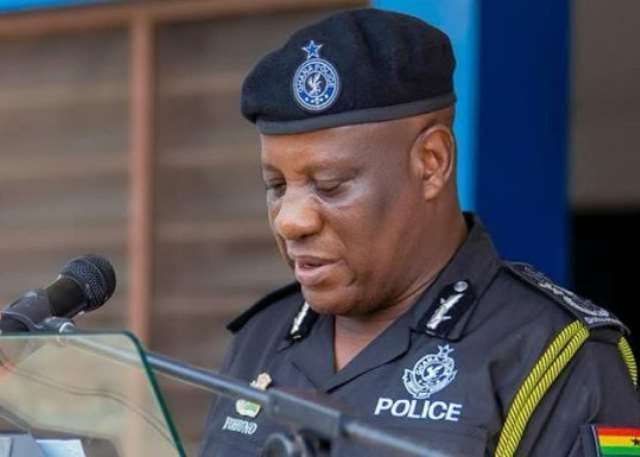
Inspector General of Police Christian Tetteh Yohuno has approved a significant expansion in recruitment into the Ghana Police Service training programme, raising the intake for Course 54 at the Police Academy to a record level of more than 700 cadet officers, according to official reports.
The move represents the largest single intake in recent years, surpassing previous admissions where Course 51 admitted 308 officers, Course 52 admitted 344 officers, and Course 53 admitted 432 officers. The sharp increase signals a deliberate effort by the Police Administration to strengthen manpower levels and improve operational capacity across the country’s security services.
The expansion comes at a time when Ghana’s security agencies continue to face rising demands linked to urbanisation, population growth, cybercrime, and cross border security risks. Analysts say recruitment drives of this scale are often tied to broader national security reforms aimed at improving visibility, response times, and community policing structures.

According to information from the Ghana Police Service, the new Course 54 intake has activated both residential and non residential training models to accommodate the unusually large number of recruits. This hybrid approach is intended to ensure that training quality is not compromised despite the expanded numbers, while also addressing logistical limitations at existing training facilities.
The Ghana Police Academy, which is responsible for training officer cadets, has in recent years undergone periodic reforms aimed at modernising its curriculum. These reforms include increased emphasis on professional ethics, human rights policing, intelligence led operations, and the use of technology in crime prevention.
Security experts note that the decision to expand recruitment aligns with long term planning within the Ministry of the Interior and the Police Administration to address personnel shortages in key operational areas. Rural policing, highway patrols, and specialised investigative units have historically faced staffing constraints, making large scale recruitment necessary to balance deployment needs.

While the Police Service has not publicly disclosed the exact timeline for the completion of training for Course 54, cadet training programmes typically span several months and combine classroom instruction, physical drills, legal education, and field exercises. The expanded intake is expected to place additional pressure on training infrastructure, accommodation, and instructor capacity, prompting the adoption of the mixed training model.
Public reaction to the announcement has been mixed. Some citizens and security analysts have welcomed the expansion, arguing that a larger police force could improve safety and reduce crime response times. Others, however, have raised concerns about whether rapid recruitment could affect training quality, discipline, and long term professionalism within the service.
Over the past decade, Ghana has periodically increased police recruitment as part of efforts to modernise the service. However, the current intake for Course 54 stands out due to its scale, marking one of the most ambitious expansions in recent history.
The Inspector General of Police is expected to provide further details on deployment plans after the completion of training, including how the new officers will be distributed across regional commands, specialised units, and community policing divisions.

As the recruitment process continues, the development is being closely watched as a key indicator of Ghana’s evolving internal security strategy and its commitment to strengthening law enforcement capacity in response to emerging threats.
IGP promotes 17 police officers for exceptional operational performance