

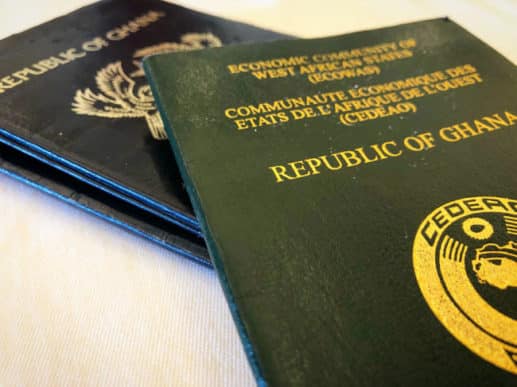
Ghana has been ranked 68th in the world in the latest global passport rankings for 2026, marking another step forward in the country’s international travel standing and reinforcing its position among Africa’s stronger passports.
According to the newly released rankings, the Ghanaian passport now provides holders with access to dozens of destinations either visa free or through visa on arrival arrangements, placing the country ahead of several African states, including regional rival Nigeria.
The ranking reflects the growing importance of diplomatic relations, bilateral agreements, and international mobility in determining the strength of passports globally. Countries are assessed based on the number of destinations their citizens can enter without requiring a traditional visa before travel.
For Ghana, the improvement signals gradual gains in international trust, diplomatic engagement, and regional cooperation. The development is also likely to strengthen confidence among business travellers, students, tourists, and members of the Ghanaian diaspora who increasingly rely on easier cross border movement for economic and social opportunities.

Globally, passport rankings have become a major indicator of international mobility and economic openness. Stronger passports generally provide citizens with easier access to travel, trade, education, and employment opportunities across multiple jurisdictions. In contrast, weaker passports often reflect diplomatic restrictions, geopolitical tensions, or lower bilateral agreements.
Within Africa, competition among passports has intensified in recent years as governments seek to improve regional integration and international partnerships. Countries such as Seychelles, Mauritius, and South Africa continue to maintain some of the continent’s strongest travel documents due to broader visa access.
Ghana has steadily improved its reputation internationally over the past decade through relative political stability, democratic continuity, and expanding diplomatic engagement. Analysts say these factors contribute significantly to passport strength because countries are more willing to enter visa agreements with nations perceived as stable and cooperative.
The latest ranking comes at a time when global travel patterns are still adjusting to post pandemic realities, tighter migration policies in some regions, and increasing emphasis on digital border systems. Despite these global challenges, Ghana’s upward movement suggests stronger positioning within international mobility frameworks.

Economic observers note that passport strength also has indirect investment implications. Countries with more internationally mobile populations often benefit from stronger diaspora networks, increased international business activity, and improved tourism confidence.
The ranking may also boost Ghana’s attractiveness as a regional business and travel hub within West Africa. Economic Community of West African States protocols already allow free movement across member states, but stronger global access expands opportunities beyond the sub region.
At the same time, experts caution that passport rankings do not automatically translate into unrestricted migration opportunities. Visa free access usually comes with limitations on duration of stay, employment rights, and residency privileges. Immigration policies in major economies continue to remain strict, particularly regarding long term settlement and work authorisation.
Nevertheless, improvements in passport rankings are often celebrated because they reflect broader international perception and diplomatic credibility. For ordinary citizens, easier travel processes reduce administrative burdens, waiting times, and travel costs associated with visa applications.

The government has in recent years also pursued digitalisation and modernisation within passport administration systems, including biometric enhancements and online application reforms aimed at improving efficiency and reducing fraud.
As international mobility becomes increasingly tied to economic competitiveness, countries are paying closer attention to how passport strength influences trade, tourism, education, and international relations. For Ghana, the latest ranking is likely to be viewed as a positive diplomatic and economic signal, even as authorities continue working to expand global partnerships and travel access for citizens.
While the Ghanaian passport still trails the world’s top ranked travel documents from countries in Europe and Asia, the latest position indicates continued progress within the African and global mobility landscape.
Ghana passport mobility gap persists despite diplomatic gains