


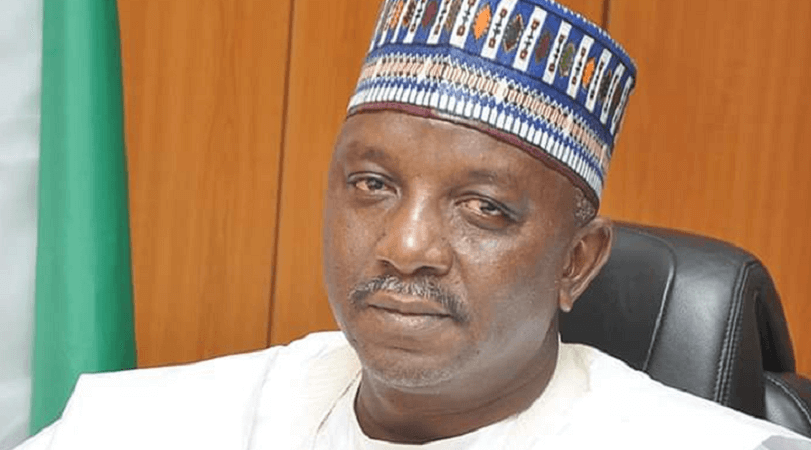
The Saleh Mamman fraud conviction is becoming one of the most significant anti-corruption rulings involving Nigeria’s former cabinet officials in recent years. The Federal High Court in Abuja found the former Minister of Power guilty in a money laundering case linked to the alleged diversion of funds tied to critical electricity infrastructure projects.
The ruling has once again brought national attention to the management of public resources in Nigeria’s power sector, a sector that has struggled for decades with underinvestment, weak infrastructure, and governance failures despite repeated government interventions.
The court held that the prosecution successfully established multiple counts against the former minister, including conspiracy, money laundering, and unlawful cash transactions linked to billions of naira.
Court ruling strengthens anti-corruption enforcement
The Saleh Mamman fraud conviction marks a major victory for the Economic and Financial Crimes Commission, which pursued the case after years of investigations into alleged abuse of office during his tenure as Minister of Power.
According to the judgment, the prosecution provided sufficient evidence showing that public funds connected to major hydroelectric projects were diverted through private channels. The court also rejected arguments from the defense concerning alleged violations of fair hearing procedures.
A key part of the ruling centered on the credibility of prosecution witnesses and financial evidence presented during the trial. The judge concluded that the defendant failed to effectively challenge the allegations or provide rebuttal evidence against the claims brought before the court.
For Nigeria’s legal system, the case reinforces the growing role of financial crime prosecutions in shaping public accountability and restoring confidence in anti-corruption institutions.
Saleh Mamman fraud conviction highlights challenges in Nigeria’s power sector
The broader significance of the Saleh Mamman fraud conviction extends beyond the courtroom because the allegations relate directly to projects intended to improve electricity generation and national energy stability.
Nigeria’s power sector remains one of the biggest constraints on economic productivity. Businesses continue to face high operating costs due to unreliable electricity supply, forcing many firms to depend on diesel generators and alternative energy systems.
The diversion of funds meant for infrastructure projects raises concerns about how corruption contributes to persistent energy shortages and delays in national development.
For households, unreliable electricity increases living costs through higher fuel expenses, damaged appliances, and inconsistent access to basic services. For businesses, particularly manufacturers and SMEs, power instability reduces competitiveness and profitability.
The case therefore symbolizes more than an individual legal battle; it reflects the economic consequences of governance failures in strategic sectors.
Political implications of the Saleh Mamman conviction
The Saleh Mamman fraud conviction also carries political implications as Nigeria continues efforts to improve transparency and institutional credibility.
Public reaction to corruption cases often reflects wider frustration with governance and misuse of taxpayer resources. Cases involving senior government officials tend to attract strong attention because they shape perceptions about whether anti-corruption campaigns are genuine or selective.
The timing of the ruling is also notable because the former minister had recently shown political interest in contesting for higher office. This could influence political calculations within party structures and affect public confidence in political leadership.
For businesses and investors, governance credibility matters because corruption risks influence investment decisions, project financing, and international partnerships. Countries perceived to have weak accountability systems often face higher borrowing costs and reduced investor confidence.
Economic consequences for businesses and households
The economic implications of the Saleh Mamman fraud conviction are tied closely to Nigeria’s infrastructure challenges and institutional efficiency.
For businesses:
- Persistent electricity shortages increase operational costs
- Infrastructure corruption discourages long-term investment
- Delayed energy projects reduce industrial productivity
- Investor confidence may weaken in sectors linked to governance risks
For households:
- Electricity instability raises the cost of living
- Poor infrastructure affects education and healthcare delivery
- Public distrust in institutions may deepen social frustration
- Taxpayer resources are perceived as being mismanaged
The case therefore highlights how corruption allegations within strategic sectors can produce ripple effects across the wider economy.
What comes next after the Saleh Mamman fraud conviction
The sentencing phase following the Saleh Mamman fraud conviction is expected to attract continued national attention. Legal analysts believe the final judgment could influence future anti-corruption prosecutions involving public officials.
At the same time, the ruling may increase pressure on authorities to strengthen oversight mechanisms surrounding infrastructure financing and procurement systems.
For anti-corruption agencies, the case demonstrates the importance of financial tracking, institutional coordination, and judicial independence in handling complex economic crime cases.
The Saleh Mamman fraud conviction represents a critical moment in Nigeria’s ongoing struggle against corruption and institutional inefficiency. Beyond the legal findings, the case underscores the broader economic and social consequences of alleged fund diversion within key infrastructure sectors.
As Nigeria continues efforts to improve governance and attract investment, accountability in public office will remain central to economic stability, infrastructure development, and public trust.
Read also: Trafigura joins battle for Natref refinery stake as South Africa’s energy sector heats up