

By Peprah J. Akuoko
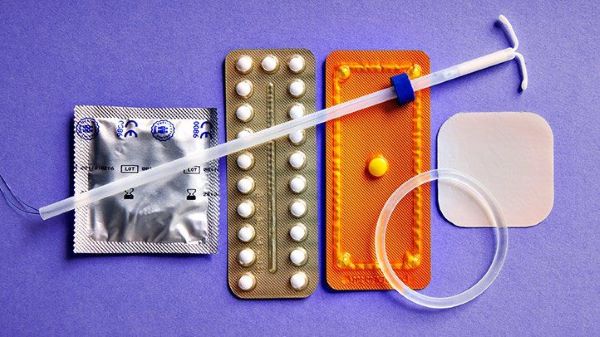
There is a specific kind of cruelty in giving someone a shield that you know is broken. In our rural clinics and urban pharmacies, “Hope” is often shaped like a blister pack or a condom foil. But in the wake of the port deadlock, I fear we are about to hand out the cruelest lie of all: a false sense of security.
We already live in a reality where 13 teenage girls become pregnant every hour in this country. We speak of teenage pregnancy as a “canker,” yet we sit idly by as the tools to prevent it are baked into inefficiency.

Imagine the girl in James Town or a student in Kumasi or the kayaye girl in Tamale who does “the right thing”—she seeks protection. But because her “shield” spent two years in a shipping container, it fails.
The result won’t just be a proportionate rise in pregnancies and STIs. It will be a total collapse of trust. When a woman’s bodily autonomy is compromised by a heat-damaged pill, she doesn’t just lose her choice; she loses her faith in the system. We aren’t just facing a stock-out; we are facing a “Quality Shock” that could set our SRHR goals back by a decade.

Peprah J. Akuoko is an investigative columnist and systems analyst dedicated to the study of institutional accountability and structural integrity. While a prominent voice in Sexual and Reproductive Health and Rights (SRHR) and public health policy, his work transcends sector-specific boundaries to diagnose the administrative and logistical frictions that impede national progress. With a clinical eye for detail and a commitment to human-centered storytelling, Peprah bridges the gap between high-level administration, policy and the lived realities of the Ghanaian citizen. His column serves as a diagnostic lens for leadership, ethics, and the pursuit of a more transparent society.