

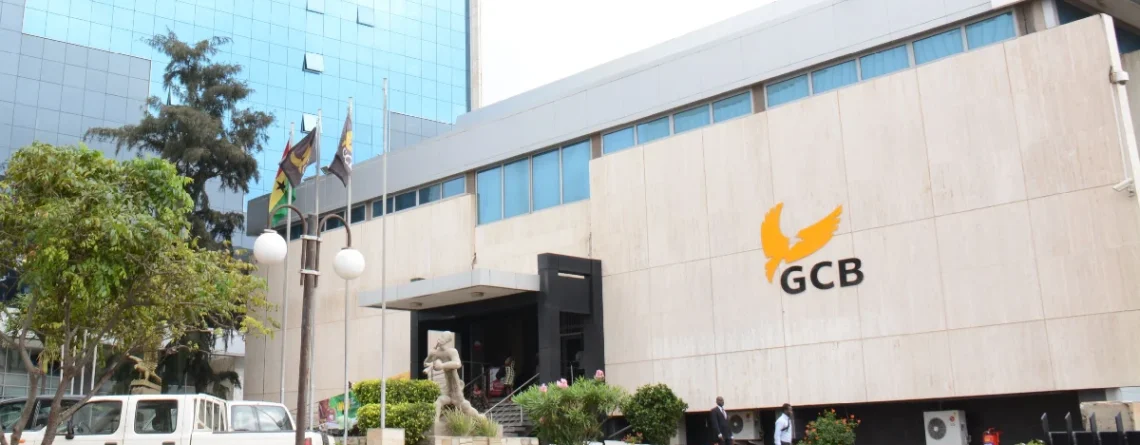
GCB anti-fraud measures have moved into the national spotlight following renewed assurances by Ghana’s largest indigenous bank that customer funds and banking systems remain secure, despite an alleged ATM-related fraud case currently before the courts. While the incident has drawn public attention, the bank’s response reflects a broader shift in Ghana’s financial sector toward stronger risk management, heightened digital security, and restored confidence at a time when electronic banking usage continues to expand rapidly.
The renewed focus on banking security comes at a critical moment. As more households and businesses rely on ATMs, mobile banking, and digital payment platforms for daily transactions, trust in financial institutions has become a cornerstone of economic stability. Any perceived weakness in banking systems can quickly translate into consumer anxiety, reduced transaction volumes, and reputational damage for the entire sector. GCB’s public reaffirmation therefore goes beyond crisis communication, it serves as a signal to the market that financial institutions are adapting to increasingly sophisticated threats.
Why GCB anti-fraud measures matter for Ghana’s financial system
GCB anti-fraud measures are significant not only because of the bank’s size, but also because of its systemic importance to Ghana’s economy. With millions of customers across all regions, GCB functions as a financial backbone for salary payments, SME financing, public-sector transactions, and personal savings. Any lapse in security at such a scale would have ripple effects far beyond a single institution.
By emphasizing its zero-tolerance stance on financial crime, the bank reinforces a culture of accountability within the banking industry. The deployment of real-time transaction monitoring systems and strict internal controls suggests that fraud prevention is being treated as an ongoing operational priority rather than a reactive response to isolated incidents. This approach aligns with global best practices, where banks increasingly invest in predictive analytics and early-warning systems to detect suspicious patterns before losses occur.

Importantly, GCB’s collaboration with state security agencies underscores the growing convergence between financial institutions and law enforcement. This partnership model improves the speed at which fraud cases are investigated and prosecuted, helping deter future offenders while reassuring customers that incidents are taken seriously and escalated promptly.
How GCB anti-fraud measures affect households
For households, GCB anti-fraud measures translate directly into peace of mind and financial resilience. Many Ghanaian families depend on ATM withdrawals, digital transfers, and card-based payments for essential expenses such as food, school fees, rent, and healthcare. The risk of fraud can disrupt household budgets overnight, especially for low- and middle-income earners with limited financial buffers.
By intensifying customer education on safe banking practices, GCB shifts part of the fraud-prevention effort to consumers themselves. Advising customers to protect ATM cards and PINs, avoid third-party assistance, and report suspicious activity promptly empowers individuals to play an active role in securing their finances. Over time, this shared responsibility can reduce fraud-related losses and improve digital literacy across the population.
The availability of dedicated reporting channels, including a toll-free Customer Experience hotline, further strengthens consumer confidence. Quick access to support can make the difference between a blocked transaction and a significant financial loss, particularly in cases involving stolen cards or compromised accounts.
Implications for businesses and SMEs
Businesses, especially small and medium-sized enterprises, also stand to benefit from GCB anti-fraud measures. SMEs rely heavily on secure banking platforms to manage cash flows, pay suppliers, and receive customer payments. Fraud-related disruptions can stall operations, damage supplier relationships, and create accounting complications that small firms are ill-equipped to handle.
A secure banking environment reduces operational risk and supports business continuity. When banks demonstrate strong internal controls and rapid response mechanisms, businesses are more likely to embrace digital payments and automated systems, improving efficiency and reducing cash-handling costs. In the long term, this contributes to broader financial inclusion and formalization within the economy.
Beyond the immediate fraud concerns, GCB’s stance reflects a wider transition within Ghana’s banking sector toward resilience in a digital-first economy. As cyber threats evolve, banks that invest consistently in people, processes, and technology are better positioned to protect customer assets and maintain trust.
For policymakers and regulators, the episode highlights the importance of coordinated oversight and continuous system upgrades. For customers, it reinforces the message that vigilance, by both banks and users, is essential in safeguarding financial ecosystems.
Ultimately, GCB anti-fraud measures serve as a reminder that banking security is not just a technical issue but an economic one, shaping confidence, transaction behavior, and financial stability across households and businesses alike.
Central Bank policy consolidation shapes Ghana’s economic direction in 2026