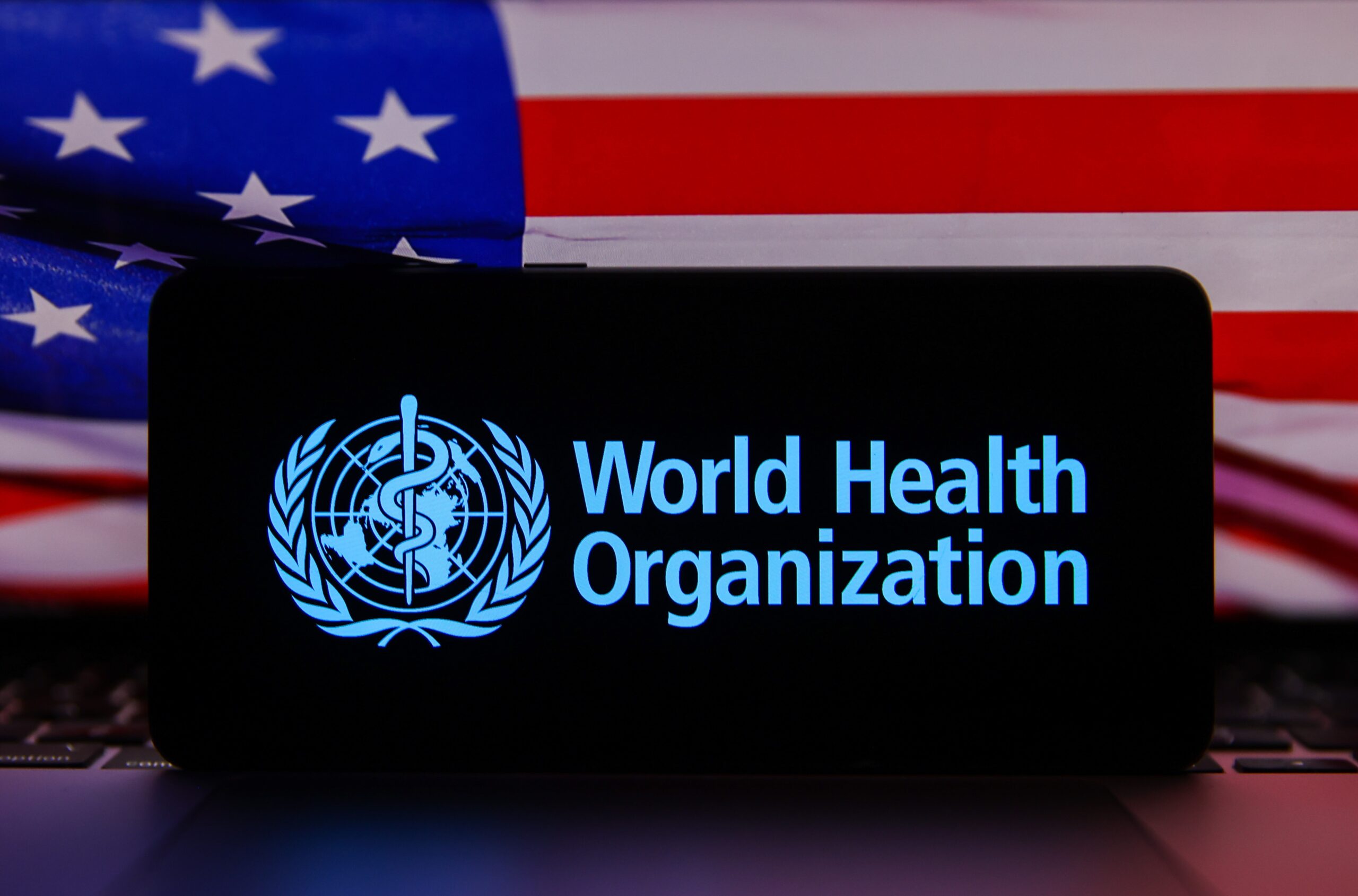
United States officially withdraws from World Health Organization amid unpaid dues and legal questions

0
214

The United States has formally left the World Health Organization (WHO) as of January 22, 2026, ending its financial support and membership in the global health agency after a one-year notice period that began with an executive order by President Donald Trump in 2025. The departure has sparked concern among global health experts and raised legal and operational issues.

The Trump administration issued a formal notice of withdrawal on his first day back in office in 2025, citing long-standing criticisms of the WHO’s handling of global health crises and claims that the organisation was mismanaged and insufficiently independent. Under the terms of the WHO constitution, a member can withdraw one year after giving formal notice to the United Nations, which triggered the U.S. exit on January 22, 2026.

The United States has historically been the largest national contributor to the WHO’s budget, providing around 18 percent of total funding in recent years. That funding supported global programmes on infectious diseases, emergency response, vaccination campaigns and health system strengthening worldwide. With the U.S. exit, the WHO faces a significant budget shortfall, forcing it to cut its management team and scale back operations. Some projections suggest up to a quarter of staff could be reduced by mid-2026 as a consequence of the funding loss.

United States officially withdraws from World Health Organization
World Health Organization

A key point of contention has been the United States’ unpaid assessed contributions, which amount to roughly $260 million for the 2024–2025 period. Under U.S. and WHO rules, a withdrawing member is typically expected to settle all outstanding financial obligations before departure. Legal experts and United Nations officials have noted that U.S. law requires both a one-year notice and payment of dues before withdrawal can be finalised, raising questions about the legality of the process if debts remain unsettled. The WHO is addressing the matter at its upcoming governing board meetings, and UN officials have reiterated that assessed contributions are a legal obligation under UN frameworks.

WHO Director-General Tedros Adhanom Ghebreyesus and public health figures have warned that the loss of U.S. membership and funding could weaken global health coordination. The organisation plays a central role in disease surveillance, outbreak response, vaccine distribution planning and setting international health standards. Without formal U.S. participation and funding, experts say global early warning systems for epidemics and pandemic preparedness could be compromised.

The withdrawal has drawn strong reactions internationally, with WHO officials expressing regret and urging reconsideration. Director-General Tedros highlighted the WHO’s mission to protect health worldwide, including in the United States, by tackling the causes of disease, strengthening national health systems, and coordinating responses to health emergencies. The organisation noted its hope for continued dialogue despite the U.S. departure.

United States

While informal cooperation between U.S. health agencies and WHO technical teams may continue, analysts observe that the absence of the United States from formal decision-making and funding cycles alters the global health landscape. Some public health experts have expressed concerns that other countries or blocs may step into leadership or influence roles within the WHO, reshaping priorities and partnerships going forward.

FERSOG Urges Ghana to Recognise Infertility as a Disease in Line with WHO Standards

Author

  • Daniel Ablordey

    Daniel Ablordey is a Business Analytics student at the University of Ghana Business School and an emerging strategist at the intersection of data, markets, and narrative. With a keen analytical mind and a passion for African business and economic trends, he is building a career focused on translating complex data-driven insights into accessible, decision-relevant stories that matter.

    As a writer and editor with Insight Ghana, African Business Insight, and The African Journal, Daniel delivers sharp, high-impact analysis on current affairs, business developments, and emerging trends across the continent. His work is defined by precision, clarity, and a deep commitment to responsible journalism — ensuring that every story he tells is not only accurate but meaningful to the audiences it serves.

    Beyond his editorial work, Daniel serves as an Ecobank Youth Ambassador, where he actively promotes financial inclusion, digital banking, and financial literacy among young Ghanaians. His leadership experience spans academic, professional, and faith-based institutions, where he has consistently driven initiatives centered on growth, structure, and long-term impact.

    Grounded in the principles of Pan-Africanism and service, Daniel brings a rare combination of analytical rigour and storytelling depth to his work. Whether unpacking market behavior, profiling emerging business leaders, or covering cultural shifts shaping the continent, he approaches every assignment with strategic intent and editorial integrity.

    His broader ambition is to contribute to Africa's transformation by shaping how data, business, and storytelling intersect — not just locally, but on a global stage.

Previous articleWife of late MP to contest Ayawaso East parliamentary by-election
Next articleGCB anti-fraud measures strengthen banking security
Daniel Amenyo Ablordey
Daniel Ablordey is a Business Analytics student at the University of Ghana Business School and an emerging strategist at the intersection of data, markets, and narrative. With a keen analytical mind and a passion for African business and economic trends, he is building a career focused on translating complex data-driven insights into accessible, decision-relevant stories that matter.

As a writer and editor with Insight Ghana, African Business Insight, and The African Journal, Daniel delivers sharp, high-impact analysis on current affairs, business developments, and emerging trends across the continent. His work is defined by precision, clarity, and a deep commitment to responsible journalism — ensuring that every story he tells is not only accurate but meaningful to the audiences it serves.

Beyond his editorial work, Daniel serves as an Ecobank Youth Ambassador, where he actively promotes financial inclusion, digital banking, and financial literacy among young Ghanaians. His leadership experience spans academic, professional, and faith-based institutions, where he has consistently driven initiatives centered on growth, structure, and long-term impact.

Grounded in the principles of Pan-Africanism and service, Daniel brings a rare combination of analytical rigour and storytelling depth to his work. Whether unpacking market behavior, profiling emerging business leaders, or covering cultural shifts shaping the continent, he approaches every assignment with strategic intent and editorial integrity.

His broader ambition is to contribute to Africa's transformation by shaping how data, business, and storytelling intersect — not just locally, but on a global stage.