

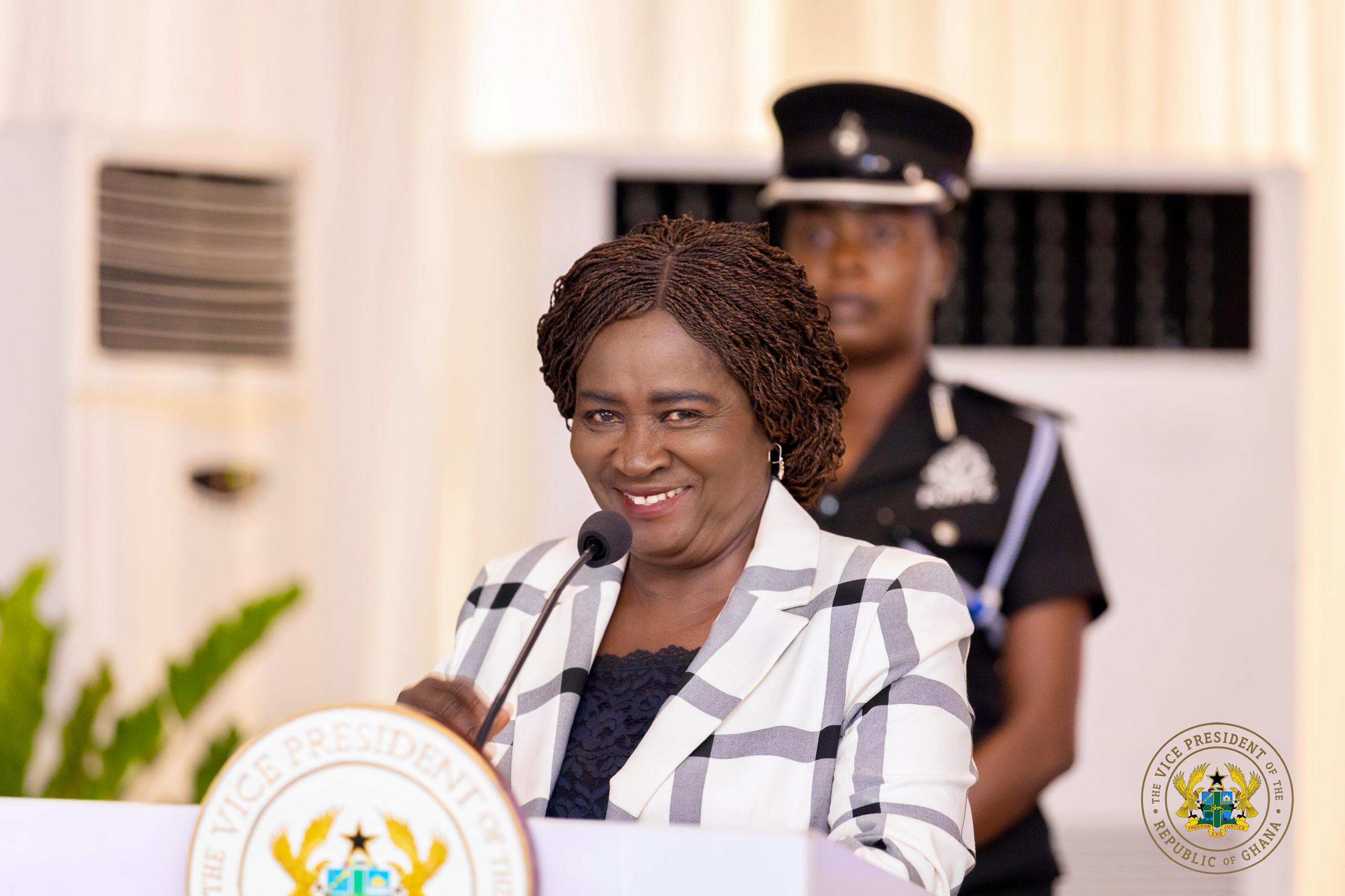
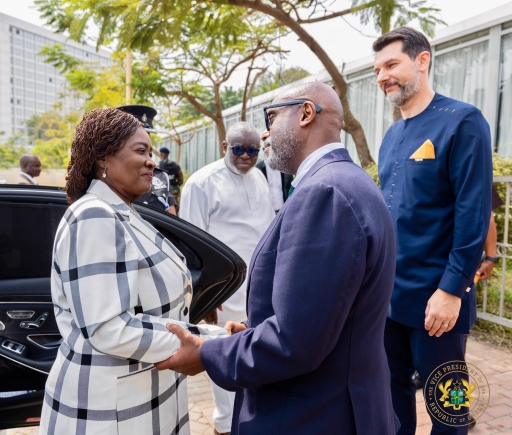
The Ghana IMF programme performance was highlighted during the recent engagement between Vice President Professor Naana Jane Opoku-Agyemang and International Monetary Fund (IMF) officials, demonstrating how disciplined economic reforms have contributed to tangible recovery. Speaking on January 20, 2026, the Vice President emphasised that Ghana’s economy was now showing measurable improvements, single-digit inflation, a stabilised cedi, and stronger real GDP growth, indicating that the benefits of macroeconomic reforms are being felt not only in statistical reports but also across households and businesses. This assessment comes amid global scrutiny over debt sustainability, development finance, and Africa’s increasing drive for self-reliance.
Evolving partnerships in Ghana IMF programme performance
Professor Opoku-Agyemang highlighted that Ghana’s economic trajectory is now underpinned by nationally owned reforms rather than purely externally dictated measures. She stressed that while international financial institutions like the IMF remain relevant, Ghana’s experience illustrates the need for partnerships that are mutually beneficial and responsive to local development priorities. This marks a shift in thinking from emergency support to coordinated development-focused collaboration, with implications for how African governments interact with global lenders.
For businesses, such evolved partnerships mean more predictable macroeconomic conditions and a clearer policy framework, which are essential for investment planning. For households, improved fiscal discipline and stable inflation directly affect purchasing power, enabling families to better plan expenditures on essentials such as food, utilities, and education.
Macroeconomic improvements driving confidence
The Vice President underscored that Ghana is entering a phase of cautious optimism, with the Ghana IMF programme performance reflecting concrete gains. Inflation has been brought down to single digits after years of volatility, and the cedi has stabilised against major currencies. These improvements create an environment conducive to private sector expansion, particularly in small and medium enterprises, which rely on predictable costs and stable input prices.
Households also benefit from these reforms. Lower inflation reduces the cost of living, while stability in currency exchange improves the affordability of imported goods, including essential products and services. Additionally, businesses can plan long-term projects without the disruptive uncertainty of erratic price changes, supporting employment growth and income stability.
Professor Opoku-Agyemang placed Ghana’s recovery within the broader African context, noting structural challenges such as high borrowing costs and debt pressures, while also highlighting opportunities arising from continental initiatives like the African Continental Free Trade Area (AfCFTA). The Vice President argued that Ghana’s experience demonstrates how effective IMF programme performance can support not just national stability but also regional integration and economic growth.
For African businesses, coordinated macroeconomic policies and stronger governance can foster cross-border trade and investment, particularly under AfCFTA frameworks. Households benefit indirectly from improved economic opportunities, higher employment prospects, and enhanced access to goods and services resulting from a more integrated regional market.
Implications for sustainable growth and self-reliance
The Ghana IMF programme performance indicates a balance between disciplined policy implementation and strategic international collaboration. By pursuing self-reliance while engaging in fair, development-oriented partnerships, Ghana seeks to ensure that reforms translate into long-term stability rather than temporary fixes.
For businesses, this approach signals a stable operating environment, attracting both domestic and foreign investment and reducing risks associated with currency volatility, inflation, and interest rate spikes. For households, effective macroeconomic management ensures that wage earners retain purchasing power, consumer prices remain predictable, and the broader economy can support inclusive growth.
The Vice President’s engagement with IMF officials illustrates that the Ghana IMF programme performance is now moving beyond emergency stabilization toward a sustainable recovery framework. The nation’s experience offers lessons for other African countries: that disciplined policy, strategic international cooperation, and focus on self-reliance can deliver measurable benefits for businesses, households, and the broader economy. The challenge moving forward will be to maintain these gains while ensuring that fiscal and monetary policies continue to support growth, job creation, and economic resilience.
Domestic Gold Purchasing Programme secures Ghana’s economic stability