

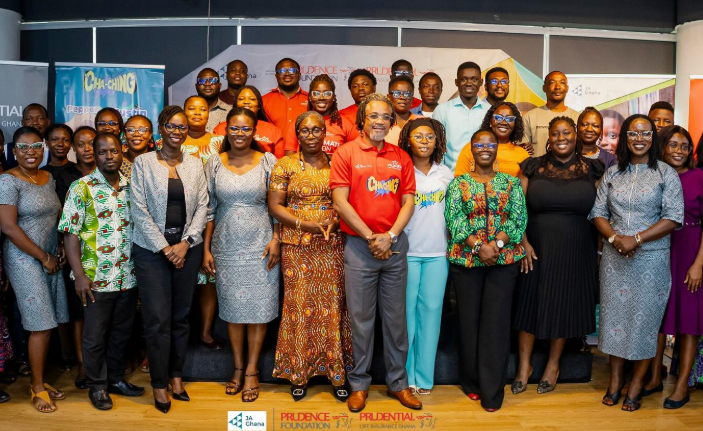
The growing advocacy for financial literacy in education has taken a significant step forward as Prudential Life Insurance Ghana and Junior Achievement Ghana convened key stakeholders to discuss embedding money management skills into the country’s basic school curriculum. While the forum celebrated the impact of an existing programme, its broader significance lies in what it signals for Ghana’s long-term economic development. Teaching children how to manage money early addresses structural gaps that often surface later in life as household debt distress, poor savings culture, and limited financial inclusion.
By focusing on curriculum integration, the push for financial literacy in education moves beyond isolated interventions toward a systemic solution. This matters because early financial habits tend to persist into adulthood, shaping how future workers, consumers, and entrepreneurs interact with the formal financial system.
Why financial literacy in education matters for national development
The case for financial literacy in education is increasingly tied to economic resilience. In many emerging economies, limited understanding of basic financial concepts contributes to poor household planning and vulnerability to economic shocks. Introducing structured financial education at the basic level helps build a population that can make informed decisions about saving, borrowing, insurance, and long-term planning.
From a policy perspective, embedding financial literacy in education complements broader financial inclusion goals. As digital banking, mobile money, and insurance products expand, individuals without foundational financial knowledge risk exclusion or misuse of financial services. Education at an early stage reduces this risk and strengthens the effectiveness of financial sector reforms over time.
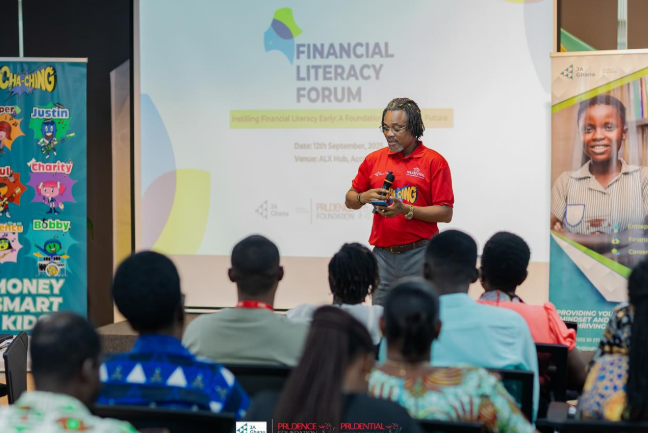
Household impact of financial literacy in education
At the household level, the benefits of economic literacy education are intergenerational. Children who understand concepts such as earning, saving, spending, and giving are more likely to develop disciplined financial behaviours. Over time, this can translate into better household budgeting, reduced over-indebtedness, and improved capacity to manage income volatility.
Parents also stand to benefit indirectly. Programmes that promote financial literacy in education often encourage conversations about money within families, reinforcing positive behaviours beyond the classroom. In the long run, households with stronger financial skills are better positioned to invest in education, health, housing, and small businesses, strengthening overall economic security.
Business implications of financial literacy in education
For businesses, economic literacy education represents an investment in the future workforce and consumer base. Financially literate individuals are more likely to engage responsibly with financial products, reducing default risks for lenders and insurers. This supports healthier balance sheets across the financial sector and encourages innovation in savings, insurance, and credit products.
Employers also benefit from a workforce shaped by economic literacy education, as financially stable employees tend to be more productive and less stressed. Over time, this can reduce wage pressures linked to personal financial crises and improve labour market efficiency. For small and medium-sized enterprises, a financially literate population expands the pool of potential entrepreneurs capable of managing cash flow and accessing formal finance.
Technology expands access to financial literacy in education
The introduction of digital tools to support financial literacy in education, such as chatbots and mobile platforms, reflects a pragmatic approach to scale. Technology lowers delivery costs and broadens access beyond traditional classroom settings, particularly in underserved communities. This ensures that financial education is not confined to a limited number of schools but becomes accessible nationwide.
By leveraging digital channels, the push for financial literacy in education aligns with Ghana’s growing digital economy. It also supports informal learners, parents, and educators who may not be part of formal training programmes but play a role in shaping financial behaviours.
Public-private alignment strengthens financial literacy in education
A key takeaway from the stakeholder engagement is the importance of alignment between private initiatives and public education policy. The consensus around integrating financial literacy in education into the national curriculum suggests growing recognition that financial capability is as essential as traditional academic skills.
Private-sector participation brings resources, innovation, and practical expertise, while public institutions provide scale and policy continuity. This combination increases the likelihood that financial literacy in education will deliver sustained impact rather than short-term awareness campaigns.
Why financial literacy in education matters in the long run
Ultimately, financial skills education is about preparing future generations to navigate increasingly complex financial systems. Its impact extends beyond individual wellbeing to macroeconomic stability, as financially capable citizens make better consumption, savings, and investment decisions.
For households, it builds resilience. For businesses, it strengthens markets. For the economy, it lays the foundation for inclusive and sustainable growth. The current momentum suggests that financial competence development is gradually shifting from advocacy to action, with implications that will unfold over decades rather than years.
Ghana and World Bank Strengthen Digital Transformation Strategy Following Mid-Term Review of GDAP