

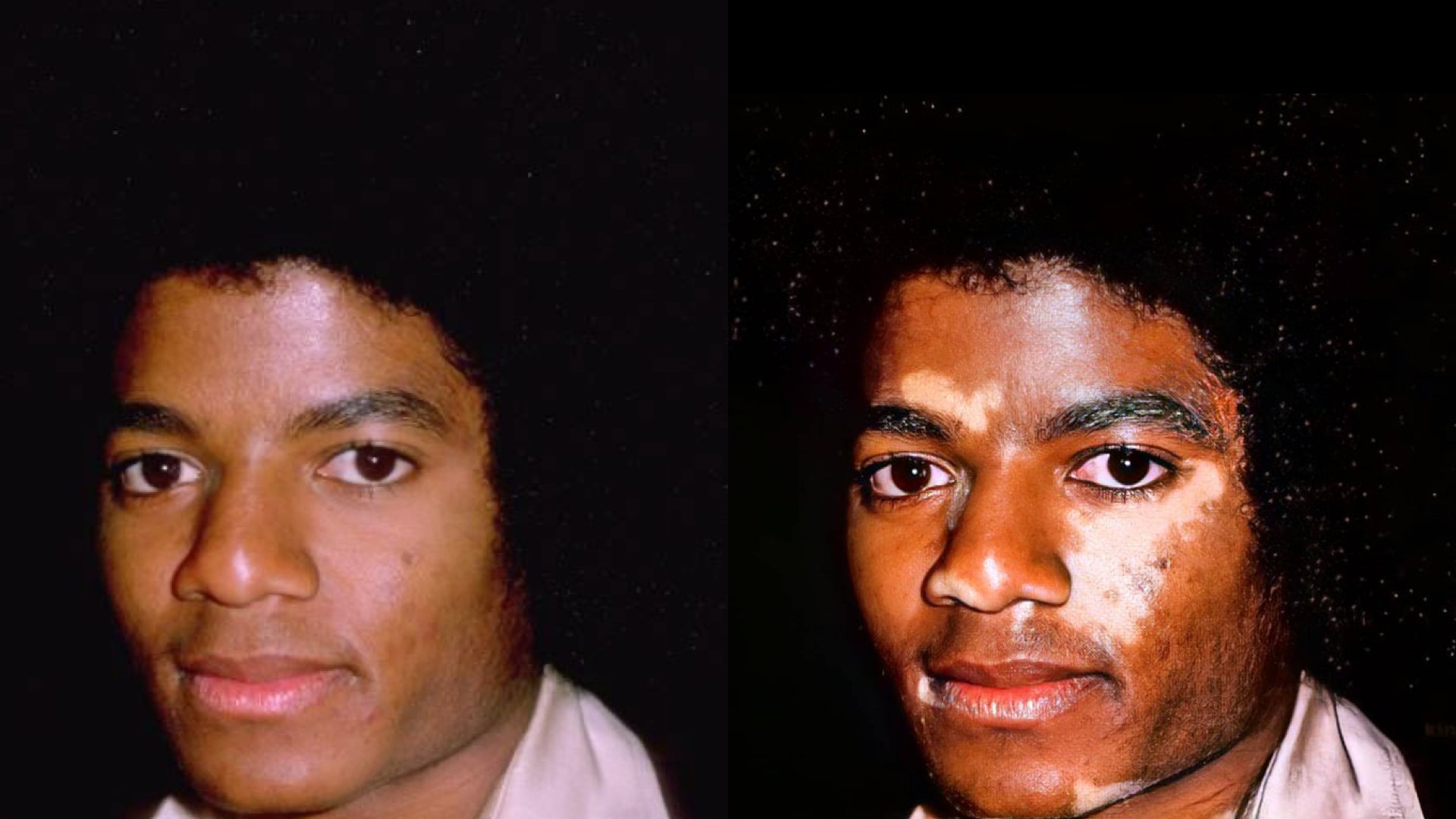
Michael Jackson remains one of the most influential figures in global music history, yet one aspect of his life continues to attract misunderstanding and debate long after his passing. Many people still question why his skin tone changed over the years. What is often ignored in these conversations is a simple medical truth. Michael Jackson had vitiligo, a chronic skin condition that affects pigmentation. Understanding this reality helps separate fact from rumor and sheds light on how misinformation can overshadow even the most extraordinary lives.
Vitiligo is an autoimmune disorder in which the body attacks its own melanocytes, the cells responsible for producing skin pigment. When these cells are destroyed, patches of skin lose color and become lighter. The condition affects people of all skin tones and backgrounds, and it is neither contagious nor dangerous. However, its visible nature can make it emotionally challenging, especially in societies where appearance is closely scrutinized.
Michael Jackson reportedly began experiencing vitiligo in the early 1980s. At that time, he was transitioning from a successful child star into a global pop icon. Early signs of the condition were easier to conceal, and he often used makeup to maintain an even skin tone during performances and public appearances. As vitiligo progressed, the contrast between pigmented and depigmented areas became more pronounced, making concealment increasingly difficult.
Eventually, Michael made the decision to medically lighten the remaining darker areas of his skin to achieve a uniform appearance. This treatment option is sometimes used by individuals with extensive vitiligo, but it is often misunderstood by the public. Many people assumed his changing appearance was a deliberate attempt to alter his racial identity. These assumptions ignored medical explanations and fueled harmful narratives that followed him for decades.

The emotional toll of these accusations was significant. Michael Jackson frequently expressed frustration at being misunderstood. He had always been proud of his heritage and openly spoke about his upbringing and cultural roots. Yet the focus on his skin overshadowed his artistic achievements and humanitarian efforts. Instead of empathy, he was often met with mockery and speculation, highlighting how society can struggle to respond compassionately to health conditions it does not fully understand.
In 1993, during a televised interview watched by millions worldwide, Michael Jackson publicly stated that he had vitiligo. This admission was intended to put an end to speculation. Years later, his autopsy report confirmed the diagnosis, providing definitive medical evidence. Despite this, myths persisted, demonstrating how deeply entrenched misinformation can become once it gains traction in popular culture.
Michael Jackson’s experience with vitiligo also reflects a broader issue faced by many people living with visible skin conditions. Beyond physical changes, vitiligo can affect mental health, self esteem, and social relationships. For someone living outside the spotlight, these challenges are already significant. For a global superstar constantly under media surveillance, the pressure was immense. His story mirrors the struggles of countless individuals who feel judged or misunderstood because of their appearance.

In recent years, awareness and advocacy around vitiligo have increased. Public figures, medical professionals, and advocacy groups now work to educate communities about the condition and promote acceptance. Michael Jackson’s story often emerges in these discussions as a powerful example of how lack of understanding can lead to stigma. His life encourages society to replace judgment with knowledge and compassion.
Ultimately, vitiligo was only one chapter in Michael Jackson’s complex and remarkable life. His contributions to music, dance, and global culture remain unmatched. He broke racial barriers, redefined live performance, and used his platform to support humanitarian causes around the world. His health condition did not define his talent, character, or legacy.
Recognizing the truth about Michael Jackson and vitiligo goes beyond setting the record straight. It serves as an opportunity to challenge misconceptions, promote health education, and encourage empathy for those living with visible differences. His story reminds us that even icons are human, and understanding their struggles can help build a more informed and compassionate society.
Black Sherif Transforms Accra With An Unforgettable Zaama Disco Concert Experience – Insight Ghana
Real Madrid Edge Sevilla 2-0 As Mbappé Equals Cristiano Ronaldo Club Record – Insight Ghana