

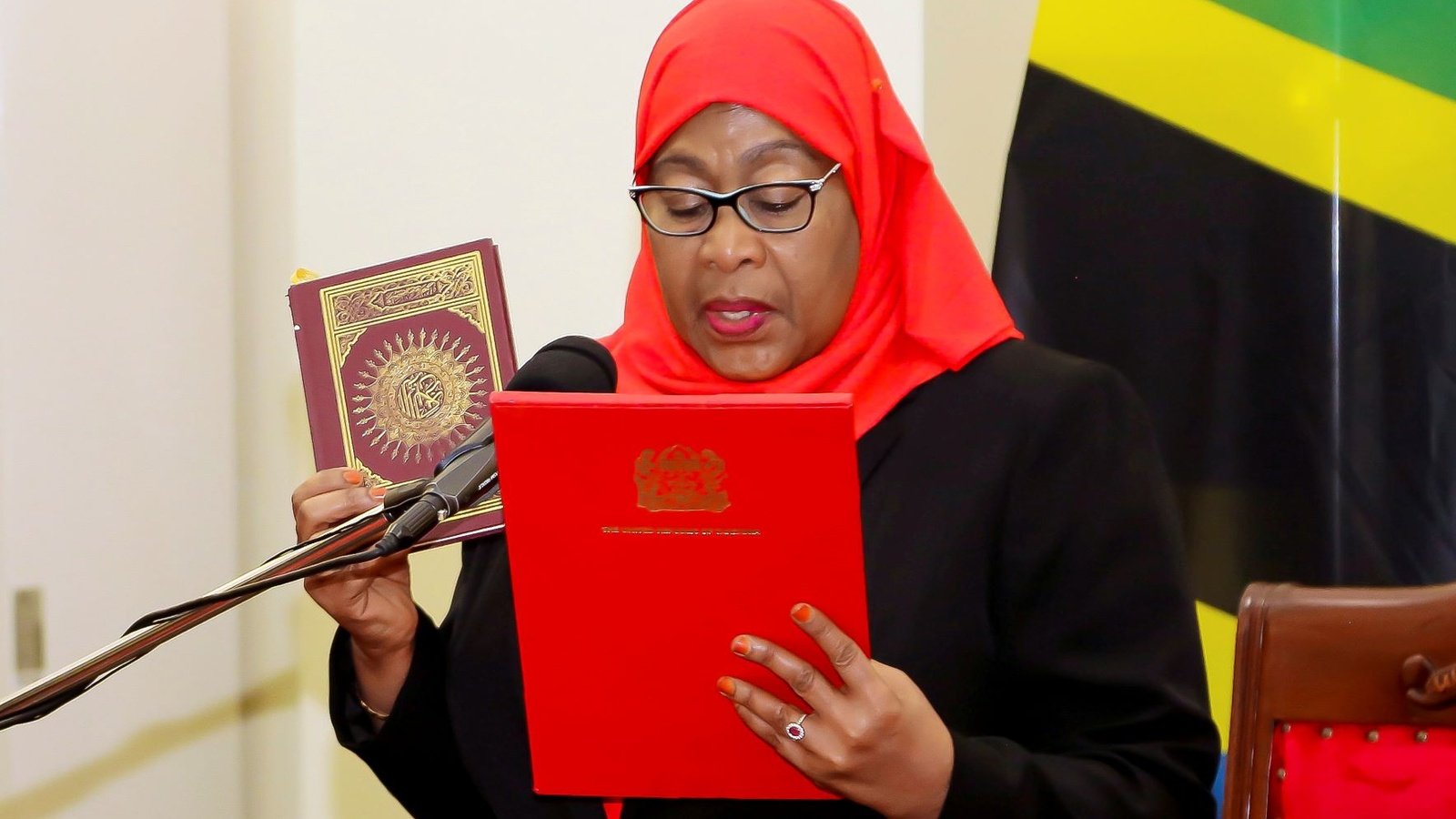
President Samia Suluhu Hassan has been declared the winner of Tanzania’s October 29, 2025 presidential election, securing an overwhelming 97.66 percent of the vote, according to official results announced by the National Electoral Commission (NEC).
The victory extends Hassan’s leadership of the East African nation, a tenure that began in March 2021 following the death of her predecessor, John Magufuli. However, the election was held in an atmosphere of intense controversy and unrest, with widespread protests, curfews, and internet blackouts reported across major cities including Dar es Salaam.
The ruling party, Chama Cha Mapinduzi (CCM), has governed Tanzania continuously since independence. This year’s polls were particularly criticised when Hassan’s main rivals, from the opposition Chama cha Demokrasia na Maendeleo (CHADEMA) and ACT-Wazalendo parties, were disqualified or barred from participating, leaving Hassan with only minor-party opposition.

In the run-up to voting day, multiple reports emerged of enforced disappearances, arrests of senior opposition figures, and systematic suppression of dissent. International observers noted that over 200 cases of enforced disappearance had been recorded since 2019, undermining Tanzania’s democratic credentials.
On election day and in its immediate aftermath, protests broke out when demonstrators called the vote a “coronation” rather than a genuine contest. Security forces responded with teargas and live rounds in some areas, and a national curfew was imposed. At least 10 deaths have been confirmed by the United Nations, though opposition sources say the toll could be significantly higher.
Critics say the 97 percent win figure echoes results seen in authoritarian regimes rather than democracies where competitive elections are expected. Analysts suggest the outcome reflects the shrinking space for opposition in Tanzania and caution it may have serious implications for the country’s international standing and economic partnerships.
Tanzania’s election system allows for a single term of five years for presidents, and Hassan’s decisive reelection secures her second term in office. Still, observers note that with little genuine competition, the result risks cementing one-party dominance.
While the government celebrated a “smooth and peaceful” vote, doubts about the credibility of the election are widespread. For Ghana and other African states, the developments in Tanzania serve as a reminder of the fragility of electoral democracy and the importance of robust institutions to safeguard political pluralism.
Tanzania’s Opposition Leader John Heche Arrested Ahead of Election