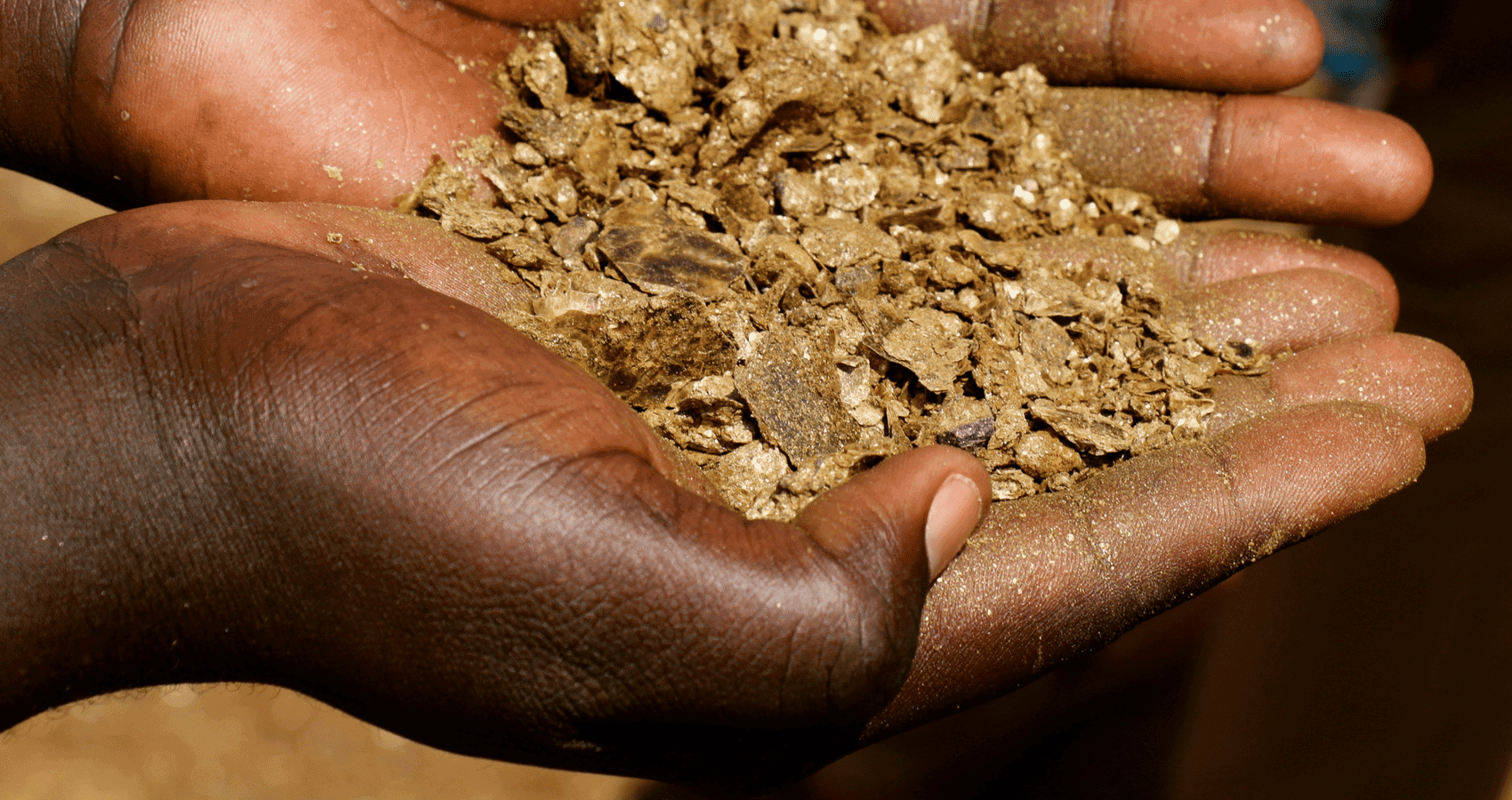
Small-Scale Gold Exports Generates US$8 Billion in Foreign Exchange – GoldBod

0
159

Ghana’s small-scale mining sector continues to prove its economic worth as the Ghana Small-Scale Miners Gold Exporters Association (GoldBod) reports a staggering 81,719 kilograms of gold exported as of October 15, 2025. The exports, according to the association, have generated an impressive US$8 billion in foreign exchange earnings for the country, marking one of the strongest performances by the artisanal mining industry in recent years.

GoldBod, the umbrella body for licensed small-scale gold exporters and miners, disclosed that the figures represent a sharp rise compared to the same period in 2024, attributing the surge to tightened regulatory measures, improved traceability systems, and stronger collaboration between miners, government, and international buyers.

Small-Scale Gold Exports Generates US$8 Billion in Foreign Exchange – GoldBod


In a statement, the association’s leadership commended the resilience and compliance of small-scale miners who have transitioned from informal operations to fully licensed and responsible mining practices. “This milestone is not just about numbers; it reflects a shift in perception, small-scale miners are now recognized as credible contributors to Ghana’s economy,” GoldBod noted.

The group also praised the Minerals Commission and the Precious Minerals Marketing Company (PMMC) for streamlining the export certification process and ensuring transparency in gold trading. Over the past two years, Ghana has implemented stricter export documentation standards and digital tracking systems aimed at curbing smuggling, which had previously cost the country billions in lost revenue.

Experts say this remarkable export performance reinforces Ghana’s position as one of Africa’s leading gold producers and a model for responsible artisanal mining. The sector, which employs over one million Ghanaians directly and supports about five million indirectly, has been identified as a critical pillar in stabilizing the cedi and boosting fiscal reserves amid global economic pressures.

Economists also believe that the surge in small-scale exports could help narrow Ghana’s trade deficit and strengthen foreign reserves, especially at a time when the country is working to balance debt obligations and fund infrastructural development.

Small-Scale Gold Exports Generates US$8 Billion in Foreign Exchange – GoldBod


GoldBod, however, cautioned that sustaining this momentum will require consistent government support, access to finance for small-scale operators, and enforcement of environmental regulations to ensure that productivity does not come at the cost of ecological degradation.

With two and a half months to close the year, the association remains optimistic that 2025 could end as a record-breaking year for Ghana’s small-scale gold industry — one that redefines the narrative from illegal mining to a thriving, structured, and responsible economic force.

GoldBod, nine mining firms sign deal for 20% gold output

Author

  • Daniel Ablordey

    Daniel Ablordey is a Business Analytics student at the University of Ghana Business School and an emerging strategist at the intersection of data, markets, and narrative. With a keen analytical mind and a passion for African business and economic trends, he is building a career focused on translating complex data-driven insights into accessible, decision-relevant stories that matter.

    As a writer and editor with Insight Ghana, African Business Insight, and The African Journal, Daniel delivers sharp, high-impact analysis on current affairs, business developments, and emerging trends across the continent. His work is defined by precision, clarity, and a deep commitment to responsible journalism — ensuring that every story he tells is not only accurate but meaningful to the audiences it serves.

    Beyond his editorial work, Daniel serves as an Ecobank Youth Ambassador, where he actively promotes financial inclusion, digital banking, and financial literacy among young Ghanaians. His leadership experience spans academic, professional, and faith-based institutions, where he has consistently driven initiatives centered on growth, structure, and long-term impact.

    Grounded in the principles of Pan-Africanism and service, Daniel brings a rare combination of analytical rigour and storytelling depth to his work. Whether unpacking market behavior, profiling emerging business leaders, or covering cultural shifts shaping the continent, he approaches every assignment with strategic intent and editorial integrity.

    His broader ambition is to contribute to Africa's transformation by shaping how data, business, and storytelling intersect — not just locally, but on a global stage.

Previous articleJohnson & Johnson Faces Major UK Lawsuit Over Alleged Asbestos-Contaminated Baby Powder
Next articleIs It Good To Dye Your Hair?
Daniel Amenyo Ablordey
Daniel Ablordey is a Business Analytics student at the University of Ghana Business School and an emerging strategist at the intersection of data, markets, and narrative. With a keen analytical mind and a passion for African business and economic trends, he is building a career focused on translating complex data-driven insights into accessible, decision-relevant stories that matter.

As a writer and editor with Insight Ghana, African Business Insight, and The African Journal, Daniel delivers sharp, high-impact analysis on current affairs, business developments, and emerging trends across the continent. His work is defined by precision, clarity, and a deep commitment to responsible journalism — ensuring that every story he tells is not only accurate but meaningful to the audiences it serves.

Beyond his editorial work, Daniel serves as an Ecobank Youth Ambassador, where he actively promotes financial inclusion, digital banking, and financial literacy among young Ghanaians. His leadership experience spans academic, professional, and faith-based institutions, where he has consistently driven initiatives centered on growth, structure, and long-term impact.

Grounded in the principles of Pan-Africanism and service, Daniel brings a rare combination of analytical rigour and storytelling depth to his work. Whether unpacking market behavior, profiling emerging business leaders, or covering cultural shifts shaping the continent, he approaches every assignment with strategic intent and editorial integrity.

His broader ambition is to contribute to Africa's transformation by shaping how data, business, and storytelling intersect — not just locally, but on a global stage.